Introduction

Hydrangeas are really great at making a garden look, in the summer. They have flowers that can make a simple garden bed look super colorful. A lot of people who have gardens have trouble getting their hydrangeas to look the way they want. Sometimes the plant will grow leaves but it will not have many flowers. It might even get weak and wilt when it is really hot outside. It could lose its buds when there is a late frost.
The good thing is that taking care of garden shrub is not that hard once you know what kind of hydrangea you have. If you prune your garden shrub at the time it can make it not produce many flowers. The amount of light, water and food your hydrangea gets also affects how well it does. You have to think about the winter too.
This guide will tell you about the kinds of garden shrub, how to plant them, how to water them and how to feed them. It will also tell you about pruning and what colors the flowers can be. You will learn how to take care of your garden shrub during times of the year and what to do if you have problems. If you follow this guide you can grow garden shrub and have more beautiful flowers.
What Is a Hydrangea?
Hydrangea has lots of flowering plants that’re like shrubs and some that climb. These plants are really well known, for having clusters of flowers and pretty leaves. There are different kinds of hydrangea. Hydrangea plants are all different when it comes to how they grow, what their flowers look like, how well they can handle weather and how they need to be pruned.
Some hydrangea plants make round flowers that look like balls. Other garden shrub plants make flowers that look like lace or long cone shaped flowers. The oakleaf Flowering shrub also changes color in the fall. Looks really nice. garden shrub plants that climb can grow up walls or trellises if they have something to hold onto. So the first thing you need to do to take care of flowering shrub is to pick the kind of hydrangea.
The most useful types for home gardens include:
- Bigleaf hydrangea
- Panicle hydrangea
- Smooth hydrangea
- Oakleaf hydrangea
- Mountain hydrangea
- Climbing hydrangea
Each one has different needs. Bigleaf garden shrub have pink, blue, or purple flowers. In contrast, panicle garden shrub typically grow cone-shaped blooms. Smooth hydrangeas are prized for their big flower clusters. They also bloom on new growth.
Hydrangea Types

Bigleaf Hydrangea
Bigleaf hydrangea, or Hydrangea macrophylla, is one of the best-known types. It includes both mophead and lacecap forms.
Mopheads have large, rounded flower clusters. Lacecaps have small flowers in the center. They have larger flowers around the edge. Many bigleaf cultivars can produce blue, purple, or pink flowers. This depends on soil conditions.
However, flower color is not simply a matter of adding one product to the soil. Soil pH influences how much aluminum is available. This, in turn, can affect the flower color in suitable bigleaf cultivars. White-flowered cultivars generally remain white.
Panicle Hydrangea
Panicle hydrangea, or flowering shrub paniculata, produces cone-shaped flower clusters. It is a useful choice for gardeners who want a larger shrub and reliable flowering on new growth.
Popular cultivars include ‘Limelight’ and ‘Quick Fire’. Panicle flowering shrub can also be trained into tree forms. They usually handle more sun than many bigleaf types. However, local heat and moisture still matter.
Smooth Hydrangea
Smooth hydrangea, or flowering shrub arborescens, is valued for its large flower clusters and strong garden performance. ‘Annabelle’ is a well-known example.
This type flowers on new wood. Prune established plants in late winter or early spring. This timing helps keep the flower buds for the upcoming season intact.
Oakleaf Hydrangea
Oakleaf hydrangea, or Hydrangea quercifolia, gets its name from its oak-like leaves. Its foliage can add strong seasonal interest, especially as temperatures cool.
The plant flowers on old wood, so heavy or poorly timed pruning can reduce flowering. It’s a great option for warmer areas where gardeners want garden shrub with strong leaves.
Climbing Hydrangea
Climbing hydrangea, flowering shrub anomala subsp. petiolaris grows differently from the common shrub types. It is a woody vine that can climb walls, fences, and other sturdy supports.
It can take several years to become established. Once mature, it can become a large plant, so provide strong support and enough room from the beginning.
How to Choose the Right Hydrangea

The best flowering shrub is not always the one with the biggest flowers. Start with your growing conditions.
Consider these factors:
- Available sunlight
- USDA hardiness zone
- Mature plant size
- Soil drainage
- Summer heat
- Winter temperatures
- Desired flower color
- Pruning time
- Available garden space
For a sunny location, a panicle type can be a strong choice. For a hot garden, oakleaf flowering shrub may be useful. Meanwhile, a small garden may need a compact cultivar rather than a large shrub.
Most importantly, check the mature size before planting. A small nursery plant can become a large landscape shrub within a few seasons.
Where to Plant Hydrangeas
Location has a major effect on growth and flowering.
Hydrangeas generally perform best in fertile, well-drained soil with adequate organic matter. Light needs to change by species. Many types do well with several hours of sun. However, they need protection from the intense afternoon heat. In hot climates, afternoon shade can help reduce stress.
Avoid planting in deep shade if you want abundant flowers. Too little light can reduce flowering. A hot, exposed spot can raise water stress, especially for bigleaf garden shrub.
A good site should provide:
- Morning or filtered sunlight
- Protection from harsh afternoon heat
- Good drainage
- Enough room for mature growth
- Consistent access to moisture
How to Plant Hydrangeas

Planting correctly helps the roots get a beginning.
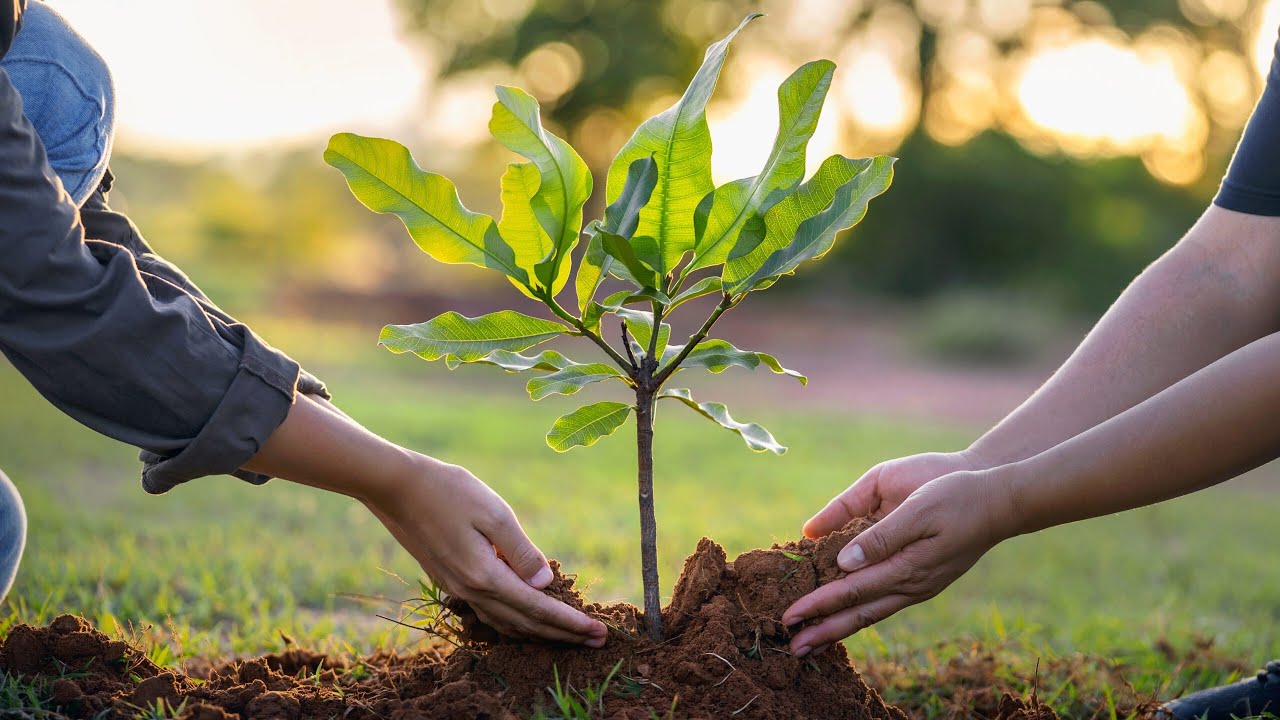
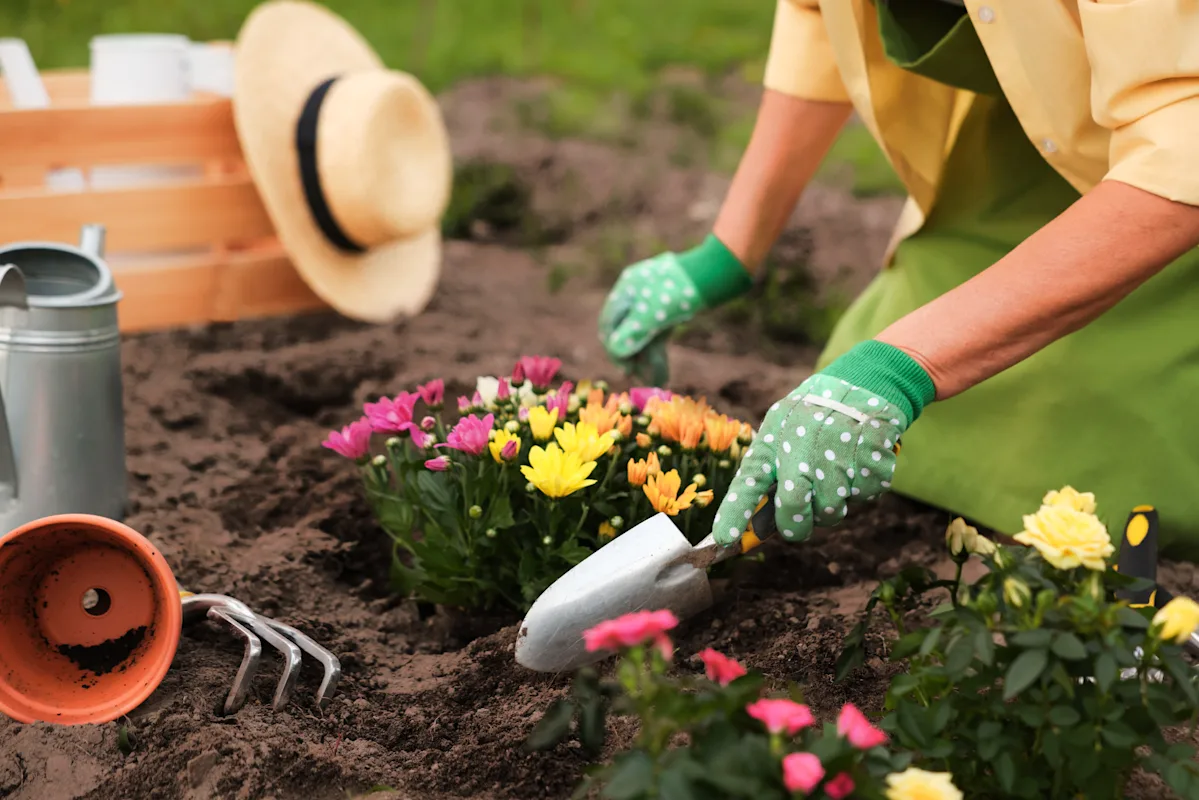
First pick a place that fits the type of plants needed for light and room. Make a hole that’s big enough for the roots without putting the plant too deep in the ground.
Next put the plant in so the top of the root ball is at the level compared to the soil around it. Fill the hole with the soil you took out. Do not press the soil hard around the roots.
After you plant it, water it a lot. Put a layer of mulch around the area where the roots are but make sure the mulch does not touch the stems.
Finally, watch the plant carefully during its season of growing. Young plants need water while their roots grow strong.
How Much Water Do Hydrangeas Need?
Hydrangeas need water all the time especially when it is hot or dry outside. If the soil is always wet it can hurt the roots of the flowering shrub.
The University of Connecticut says to give flowering shrub about one inch of water every week when it’s normal weather. When it is hot and dry you should give them water. It is better to give Hydrangeas a lot of water at one time than a bit every day.
You should check the soil before you give garden shrub water. If the top of the soil feels dry and the Hydrangeas plant looks sick you should give it a lot of water around the roots.
Watering Hydrangeas in the morning is an idea. It gives the water time to get to the roots before it gets hot outside.
Also try not to get water on the leaves of the flowering shrub when you can just water the soil. If you keep the leaves of the flowering shrub dry it can help stop some diseases that can hurt the leaves of the Hydrangeas.
Soil and Fertilizer
Hydrangeas like soil that’s full of nutrients and drains well. A soil test can show you if the soil needs any changes.
You should not change the pH of the soil just because you want a color of flowers. First find out what type of garden shrub you have. Color changes are important, for some bigleaf flowering shrub.
Fertilizer should also be used with care. Much nitrogen can make the plant grow more leaves and fewer flowers. A fertilizer plan that works for your soil and your plant is better. It is better to use fertilizer when you know what the plant needs by just adding it when the plant seems to be growing slowly.
How to Change Hydrangea Flower Color

Growing flowers is really fun. One of the coolest things about growing some hydrangeas is changing the flower color.
Bigleaf garden shrub can make colors depending on how acidic the soil is and if there is aluminum in the soil. More acidic conditions can create blue or purple shades. In contrast, less acidic conditions often lead to pink shades in certain cultivars.
However, not every flowering shrub responds this way.
White-flowered bigleaf cultivars generally stay white. Other species also do not follow the same blue-to-pink color process.
Therefore, identify your plant before trying to change its color.
When to Prune Hydrangeas
Pruning is where many gardeners make mistakes.
There is no single pruning date that works for every hydrangea. The correct time depends on the species and whether the plant produces flower buds on old wood, new wood, or both.
| Hydrangea Type | Flowering Wood | General Pruning Window |
| Bigleaf | Mostly old wood; some cultivars bloom on old and new wood | Usually after flowering; check cultivar |
| Panicle | New wood | Late winter or early spring |
| Smooth | New wood | Late winter or early spring |
| Oakleaf | Old wood | After flowering |
| Climbing | Old wood | Usually after flowering; remove unwanted or dead growth |
Check the plant label before making major cuts. Pruning rules can vary by cultivar. Penn State’s current guidance emphasizes identifying the species first. Then, you can choose the right pruning schedule.
Why Wrong Pruning Stops Blooms
Many gardeners face a common problem. They prune old-wood hydrangeas in fall, winter, or early spring.
The plant may look healthier after trimming. However, the gardener may have removed the flower buds for the next season.
Bigleaf and oakleaf hydrangeas are especially important examples. Winter weather can harm their flower buds, or they may be lost from bad pruning.
How to Prune Hydrangeas Correctly

Start by identifying the type.
Then remove:
- Dead branches
- Damaged growth
- Weak or crossing stems
- Growth that is clearly outside the desired shape
Use clean, sharp pruners. Make cuts just above a healthy bud when heading back stems.
Avoid cutting back a lot of the plant just to make it smaller. If a hydrangea keeps getting too big for where it’s, think about changing it to a smaller type. This can be a choice, for a long time.
Why Is My Hydrangea Not Blooming?
Few garden problems are more frustrating than a healthy-looking shrub with no flowers.
Several factors can cause poor blooming:
- Incorrect pruning
- Winter injury
- Late spring frost
- Too much shade
- Water stress
- Excessive nitrogen
- Young plant establishment
- Deer browsing
- Damage to old flower buds
Penn State’s 2026 guidance notes that pruning and winter damage can stop some hydrangeas from blooming.
Start with pruning history. If the plant is an old-wood type, ask whether it was cut back during the wrong season.
Next, consider the weather. A warm spell can cause flower buds to begin developing before a later freeze damages them.
Finally, check the planting site. A hydrangea receiving too little light may grow leaves but produce fewer flowers.
How to Get More Hydrangea Blooms
More flowers usually come from better growing conditions, not more fertilizer.
Start with the right plant in the right location. Provide suitable light and consistent moisture. Then prune according to the plant type.
Avoid heavy nitrogen feeding. Too much nitrogen can favor foliage instead of flowers.
Protect old-wood hydrangeas from harsh winter weather if your area is at risk. This is especially useful for gardeners growing less cold-hardy bigleaf cultivars.
Hydrangea Care in Summer
Summer heat can quickly expose watering problems.
When the weather is really hot you should check on your plants often.
You can use mulch to help keep the soil from getting too dry and to keep the temperature around the roots from going down too much.
If the leaves on your plant start to wilt when it is hot outside in the afternoon. They look better later. The plant is probably just having a tough time, with the heat for a little while. The plant might be dealing with heat stress from the hot weather. Persistent wilting is more concerning.
Avoid shallow daily watering when possible. A deeper watering pattern encourages moisture to reach the root zone.
Hydrangea Winter Care
Winter care depends on the variety and your climate.
Old-wood hydrangeas can be at risk. Their flower buds form before winter. Cold weather, late freezes, or other damage can reduce next year’s flowers.
Use mulch around the root area to help protect the roots from temperature changes. In areas, extra protection might be helpful, for plants that are not strong.
Do not automatically cut every flowering shrub to the ground before winter. That can remove flower-producing wood on varieties that bloom from older stems.
Growing Hydrangeas in Containers

Hydrangeas can also grow in containers when the variety and pot are suitable.
Choose a container with:
- Drainage holes
- Enough room for root growth
- Quality potting mix
- A stable base
- Space for the plant’s mature size
Container plants dry out faster than plants in the ground. Therefore, check moisture more often during summer.
Smaller cultivars are usually easier to manage in pots. Large varieties may eventually outgrow their containers and require transplanting.
Common Hydrangea Problems
Yellow Leaves
Yellow leaves can have several causes. Poor drainage, nutrient problems, root stress, and unsuitable soil conditions can all contribute.
Look at the pattern of yellowing. Young leaves with green veins may indicate iron availability issues. In contrast, older leaves can reveal problems with other nutrients. Soil testing is a better starting point than guessing.
Brown Leaves
Brown leaf edges can appear after heat, drought, or environmental stress.
Check soil moisture first. Then look at sunlight exposure and recent weather.
Do not assume brown leaves always mean disease.
Leaf Spots
Dark or discolored spots can result from fungal diseases and other problems. Improve airflow and avoid unnecessary overhead watering.
If symptoms keep going or spread, check a trusted plant diagnostic resource. Don’t treat the plant with a random product. Penn State provides detailed information on garden shrub diseases and their symptoms.
Wilting
Wilting usually means the plant is under stress, but the cause is not always simple.
Check:
- Soil moisture
- Recent heat
- Drainage
- Root condition
- Recent transplanting
A plant that remains wilted after thorough watering deserves closer inspection.
Hydrangea Pests and Diseases
Hydrangeas can face insect and disease issues. The risk depends on where they grow and the conditions around them.
Watch for:
- Aphids
- Spider mites
- Leaf spots
- Powdery mildew
- Botrytis
- Other fungal problems
Early detection is easier than treating a severe problem.
Inspect leaves regularly. Remove badly damaged plant material when appropriate. Improve airflow and avoid keeping foliage wet for long periods.
If you cannot identify a problem, take clear photos and use a local university extension diagnostic service.
How to Propagate Hydrangeas

Hydrangeas can be propagated from stem cuttings.
Early summer is one suitable period for taking cuttings from non-flowering shoots. A healthy cutting should go into a moist rooting medium. Keep it in a bright spot, but out of strong direct sunlight. UConn offers a clear cutting method. It has two main goals: reduce leaf area and keep moisture steady as roots grow.
Propagation takes patience. Not every cutting will succeed.
For beginners, starting with a healthy nursery plant is often faster. Propagation is a great way to grow more plants from a variety you already have.
Hydrangea Care by Climate
Hot Climates
Choose varieties that handle heat well. Provide protection from harsh afternoon sun when needed and monitor soil moisture closely.
Oakleaf hydrangeas thrive in hot climates. They are heat-tolerant and have beautiful leaves.
Cold Climates
Focus on winter protection, especially for old-wood bigleaf types.
Panicles and smooth hydrangeas are great options for colder areas. They bloom on new growth, making them easier to care for. Still, always check the hardiness of the cultivar you plan to grow.
Humid Climates
Good airflow becomes especially important. Give plants enough space and avoid excessive moisture on the foliage.
Dry Climates
Consistent watering is essential. Mulching can help reduce moisture loss, but drainage must remain good.
Hydrangea Care Checklist
Use this simple checklist during the growing season:
- Identify your hydrangea type.
- Check the mature size.
- Choose suitable sunlight.
- Plant in well-drained soil.
- Keep moisture consistent.
- Mulch around the root zone.
- Avoid excessive fertilizer.
- Prune according to species.
- Watch for frost damage.
- Inspect leaves regularly.
- Check for pests and disease.
- Adjust care during extreme weather.
Frequently Asked Questions
Do hydrangeas need full sun or shade?
The answer depends on the species and local climate. Many garden shrub grow well with several hours of sunlight, while afternoon shade can help in hot areas. Deep shade can reduce flowering. Always match the light level to the specific variety.
What is the best time to prune hydrangeas?
There is no universal pruning date. Panicles and smooth garden shrub bloom on new wood. You can usually prune them in late winter or early spring. Bigleaf and oakleaf types bloom mainly on old wood. So, pruning is usually done after they flower.
Why is my hydrangea growing leaves but no flowers?
Poor flowering can result from incorrect pruning, winter or frost damage, too much shade, water stress, excessive nitrogen, or other growing conditions. First identify the hydrangea type and review its pruning history.
Can all hydrangeas turn blue?
No. The well-known blue-to-pink color change mainly applies to certain bigleaf hydrangeas. Soil pH and aluminum availability affect their flower color. White-flowered cultivars generally stay white, and other species do not follow the same color-changing process.
How often should hydrangeas be watered?
Water needs depend on weather, soil, plant size, and location. Hydrangeas prefer consistent moisture but do not like constantly saturated soil. During hot, dry weather, check the soil more often and water deeply when needed.
Final Thoughts
Growing a healthy garden shrub is much easier when you stop treating every variety the same. The right plant, location, watering routine, and pruning schedule work together. Most importantly, identifying the species before making major changes can prevent common mistakes and protect future flower buds.
From a practical gardening perspective, the best approach is simple: choose a garden shrub that fits your climate, give it suitable light and steady moisture, and prune only when its flowering habit allows it. If a plant fails to bloom, look at pruning, winter damage, light, and water before reaching for more fertilizer. With those basics in place, garden shrub can become reliable, long-lasting features in a home garden.