Introduction

Growing fresh herbs does not require a large yard. You can grow basil, chives, parsley, mint, and other herbs right in your home.
The key is simple. Give each plant enough light, good drainage, water, and room to grow.
The best indoor herb gardens for you depends on your space and daily routine. A few pots may work well near a sunny window. A small hydroponic garden may work better in a darker kitchen.
This guide explains the main indoor herb garden options. It also shows you how to choose, plant, water, and harvest herbs at home.
What Is an Indoor Herb Garden?
An indoor herb gardens is a setup for growing herbs inside your home.
You can use small pots, planters, shelves, or hydroponic systems. Many people keep them in the kitchen, near a window, or on a counter.
Common indoor growing spots include:
- Kitchen windowsills
- Countertops
- Sunny shelves
- Indoor plant racks
- Small growing stations
Indoor herbs can give you fresh leaves for cooking. They can also add green color and fresh scents to your home.
Why Grow Herbs Indoors?

Indoor Herb Gardens growing can work well for many home gardeners.
First, you can keep herbs close to your kitchen. You can cut what you need while cooking.
Indoor Herb Gardens can also help people with little outdoor space. An apartment, small kitchen, or condo can still have room for a few pots.
Other benefits include:
- Fresh herbs for meals
- Easy access while cooking
- Small-space gardening
- Protection from outdoor weather
- A green touch inside the home
- The chance to grow herbs during winter
Penn State Extension notes that Indoor Herb Gardens can provide fresh leaves for cooking and can continue producing after the outdoor season ends.
Still, indoor gardening is not always easier. Plants need the right light, water, temperature, and airflow.
What Are the Best Indoor Herb Gardens?
There is no single setup that fits every home.
The right choice depends on your space, light, budget, and how much care you want to give your plants.
Windowsill Herb Garden
A windowsill garden is one of the simplest choices.
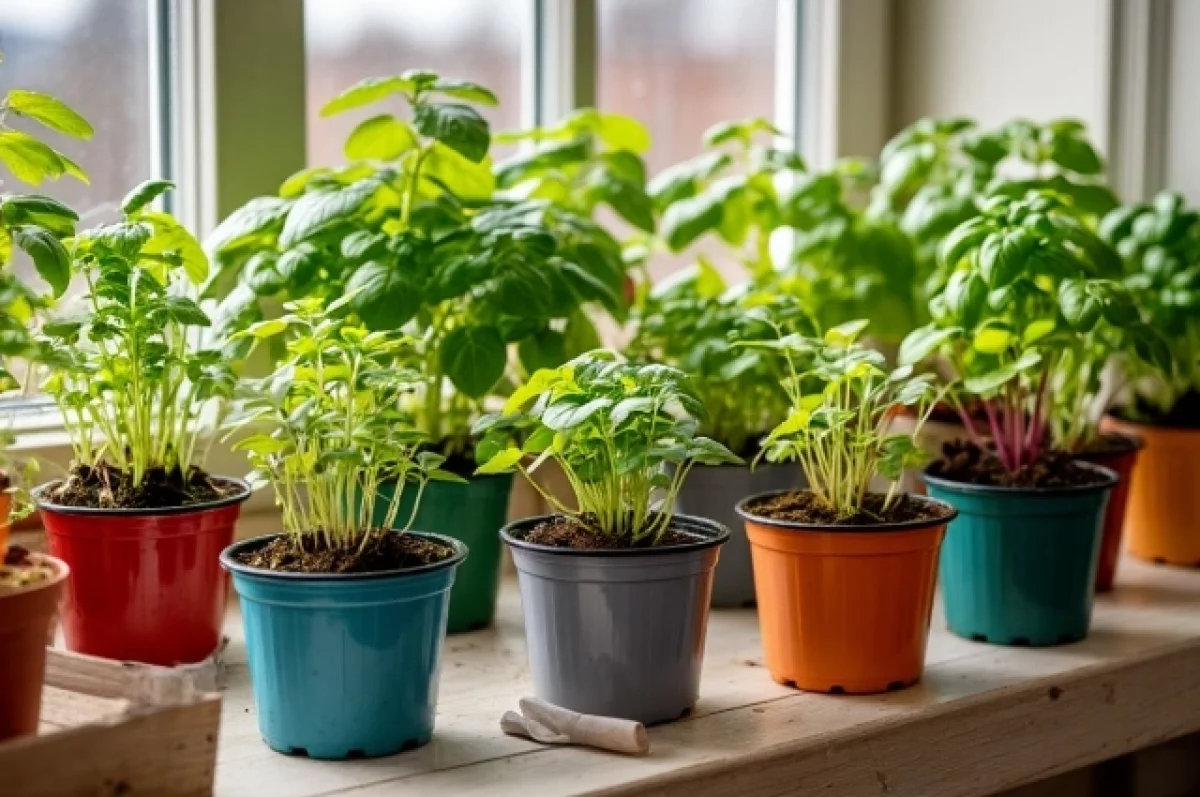
Place small pots near a bright window. Basil, chives, cilantro, parsley, and other herbs can work well with the right light.
South-facing windows can provide strong light. However, sunlight can change with the season.
Countertop Herb Garden
A countertop garden fits well in small kitchens.
You can use small pots or a compact planter. This setup works well when you want herbs close to your cooking area.
Make sure the counter gets enough light. If it does not, you may need a grow light.
Indoor Herb Garden With Grow Lights
Grow lights can help when natural light is weak.
This option works well for dark rooms, winter months, or homes with few sunny windows.
Penn State Extension notes that many herbs need about six hours of direct sunlight. Supplemental light can help when natural light is not enough.
Container Herb Garden
Traditional pots are still a great choice.
You can grow each herb in its own container. This makes it easier to control water, soil, and plant size.
Choose pots with drainage holes. Good drainage helps prevent overly wet soil.
Hydroponic Herb Garden
Hydroponic systems grow plants without regular soil.
Many countertop systems use water, plant nutrients, and built-in lights. Some also have timers or water-level reminders.
These systems can be useful in homes with limited natural light. Current product guides also show strong interest in compact hydroponic systems with built-in lights.
Indoor Herb Garden Kit
A kit may include pots, seeds, plant food, lights, or growing pods.
Kits can make setup easier for beginners. Before buying one, check the size, light, water system, seed options, and replacement costs.
Do not choose a kit only because it has many features. Make sure it fits your space and growing needs.
Best Herbs to Grow Indoors
Some herbs adapt better to indoor containers than others.
Penn State Extension lists chives, basil, and cilantro as good choices for indoor herb gardens.
Here are useful choices for home growers.
Basil
Basil is a popular indoor herb.
It likes strong light and regular moisture. Do not let the potting mix dry out completely.
Pinch basil often to help it stay bushy. You can use fresh leaves in pasta, salads, sauces, and more.
Chives
Chives are a good choice for small pots.
They can handle lower light better than some herbs. Cut the leaves as needed and use them in eggs, soups, potatoes, and salads.
Cilantro
Cilantro can grow indoors with enough light.
It works well in salsa, tacos, sauces, and many other dishes. Keep the soil from staying too wet.
Parsley
Parsley works well in indoor containers.
Give it a bright spot and water when the soil starts to dry. You can cut outer stems as needed.
Mint
Mint can grow well indoors when given proper care.
It can spread quickly, so a separate pot is often useful. Use fresh leaves in drinks, desserts, salads, and sauces.
Oregano
Oregano likes bright light.
Let the potting mix dry slightly between waterings. Good drainage is important for this herb.
Thyme
Thyme is a good choice for a bright indoor spot.
It prefers well-drained soil. Avoid keeping the soil wet all the time.
Rosemary
Rosemary needs strong light.
It also prefers soil that can dry a little between waterings. A sunny window or grow light can help.
Sage
Sage can grow indoors in a bright location.
Use a pot with good drainage. Let the soil dry a little before watering again.
Lemon Balm
Lemon balm can tolerate lower light than some herbs.
It can grow well in a container. Keep it trimmed so it does not take over its space.
Best Indoor Herbs by Use
| Herb | Best Use | Light Need | Beginner Friendly |
|---|---|---|---|
| Basil | Pasta, salads, sauces | Bright | Yes |
| Chives | Eggs, soups, salads | Moderate to bright | Yes |
| Parsley | Soups, sauces, garnish | Bright | Yes |
| Mint | Drinks, desserts | Moderate to bright | Yes |
| Cilantro | Salsa, tacos, sauces | Bright | Yes |
| Thyme | Roasted foods | Bright | Yes |
Light needs can vary by home and season. Watch the plant instead of following one rule for every herb.
Thin growth and small leaves can signal that a plant needs more light.
How to Choose the Best Indoor Herb Garden

Start by looking at your home.
Check Your Space
Measure the area before buying a garden system.
A small windowsill may only fit a few pots. A large shelf can hold more plants.
Check Natural Light
Look at the window near your planned garden.
A bright window may support simple pots. A dark room may need a grow light.
Think About Grow Lights
Grow lights can help fill the gap when sunlight is weak.
They are also useful during darker winter months. Light needs vary by herb and setup.
Count Your Herbs
Think about how many herbs you really need.
Three useful herbs may be better than ten crowded plants. Crowding can reduce airflow and make care harder.
Check Watering Needs
Some herbs like more moisture than others.
Basil, for example, should not dry out completely. Herbs such as thyme, oregano, sage, and rosemary can dry slightly between waterings.
Check Drainage
Good drainage is one of the most important parts of an indoor herb garden.
Water should be able to leave the container. This helps reduce problems caused by constantly wet soil.
Think About Maintenance
Ask yourself how much time you have.
A simple pot needs regular checks. Some hydroponic systems offer timers and reminders, but they still need cleaning and care.
Set a Budget
You do not need an expensive system to grow herbs.
A few pots and good light can be enough. More advanced systems may add lights, pumps, timers, or smart controls.
Think About Pets
Check plant safety before placing herbs where pets can reach them.
Penn State Extension warns that some herbs can be toxic to dogs and cats.
How Much Light Do Indoor Herbs Need?
Light is one of the biggest factors in indoor herb growth.
Many herbs need around six hours of direct sunlight. A sunny south-facing window can be useful.
East-facing windows can also work for some herbs. However, the amount of light changes with the season and weather.
Watch your plants for signs of weak light.
Common signs include:
- Thin stems
- Stretched growth
- Small leaves
- Slow growth
- Weak-looking plants
University of Minnesota Extension also notes that low light can cause thin, stretched growth.
If natural light is not enough, add a suitable grow light.
How to Water Indoor Herbs
Do not water your herbs on a fixed schedule without checking the soil.
Instead, feel the potting mix first.
If the mix starts to dry, it may be time to water. Penn State Extension recommends watering indoor herbs when the potting mix begins to dry.
Use these simple steps:
- Check the soil.
- Water when needed.
- Let extra water drain.
- Empty standing water.
- Check the plant again later.
Avoid soggy soil. Constant moisture can increase the risk of root problems.
Best Containers for Indoor Herbs
You can grow herbs in many types of containers.
Common choices include:
- Clay pots
- Plastic pots
- Ceramic pots
- Herb planters
- Window boxes
- Hanging containers
The material matters less than proper drainage.
Choose containers with drainage holes. Both Penn State and University of Minnesota Extension stress the need for drainage in containers.
Best Soil for Indoor Herbs
Use a suitable potting mix for indoor containers.
Avoid using heavy garden soil in small indoor pots. It may drain poorly and become hard when wet.
A good indoor mix should allow water to move through the pot. Match the container size to the herb.
Do Indoor Herbs Need Fertilizer?
Indoor herbs need nutrients to keep growing.
But more fertilizer is not always better.
Penn State Extension recommends a low dose of water-soluble fertilizer for indoor herbs. It also warns that heavy or frequent feeding can affect herb aroma and taste.
Always follow the product label.
Your plant, potting mix, and growth rate can affect how often it needs feeding.
Best Indoor Herb Garden for Beginners

The best setup depends on your home.
Best for Sunny Windows
Use simple pots with basil, chives, or parsley.
Place them near a bright window and watch the soil.
Best for Small Kitchens
Try a compact countertop planter.
Keep the setup close enough to use but far enough from heat sources.
Best for Low Natural Light
Choose pots with a suitable grow light or an indoor system with built-in lighting.
This can give plants more consistent light.
Best for Soil-Free Growing
Try a small hydroponic system.
These systems can be useful when you want a clean countertop setup with water and built-in lighting.
Indoor Herb Garden With Grow Lights
A grow light can make indoor gardening easier when sunlight is weak.
Place the light close enough to provide useful light. Keep the plant from touching the light.
Light distance and timing depend on the light and plant.
University extension guidance shows that supplemental lighting can support indoor herbs when natural light is limited.
Do not assume one bulb or one schedule works for every herb.
How to Start an Indoor Herb Garden
Follow these simple steps.
1. Choose your herbs.
Start with herbs you use often.
2. Pick a bright location.
A sunny window can work well.
3. Choose containers with drainage.
Do not trap extra water in the pot.
4. Add suitable potting mix.
Use a mix made for container growing.
5. Plant seeds or seedlings.
Follow the growing instructions for the herb.
6. Water carefully.
Check the soil before watering.
7. Add a grow light if needed.
Use one when natural light is weak.
8. Check plants often.
Look at leaves, soil, and new growth.
9. Harvest correctly.
Take small amounts as plants grow.
10. Prune and maintain the plants.
Remove damaged growth and keep plants from becoming crowded.
Common Indoor Herb Garden Problems
Indoor herbs can still have problems.
The good news is that many problems have simple causes.
Yellow Leaves
Yellow leaves can have several causes.
Check watering and light first. Also look at the roots if the soil stays wet.
Thin, Leggy Growth
Weak light often causes stretched growth.
Move the plant to a brighter spot or add supplemental light.
Wilting
Wilting does not always mean the plant needs water.
Check the soil first. Also look at heat, roots, and light.
Mold or Fungus
Too much moisture and poor airflow can create problems.
Give plants enough space. Avoid keeping the soil constantly wet.
Fungus Gnats
Fungus gnats can appear when soil stays too wet.
Better watering habits can help. Penn State also recommends yellow sticky traps for flying insects such as fungus gnats.
Slow Growth
Check light, water, temperature, nutrients, and plant condition.
Do not assume one cause without checking the plant.
Common Mistakes
Many indoor herb problems start with basic care mistakes.
Avoid these common issues:
- Too little light
- Too much water
- No drainage
- Crowded pots
- Too much fertilizer
- Poor herb choices
- Ignoring pests
- Never harvesting
- Placing plants near cold windows
- Keeping plants near strong heat
Start with a simple setup. Then adjust it as you learn what your herbs need.
How to Harvest Indoor Herbs
Harvest herbs often, but do not remove too much at once.
Use clean scissors when possible. Take healthy leaves and stems based on the plant’s growth pattern.
Basil benefits from regular harvesting. Pinch stems above a leaf pair to encourage more branching.
Penn State Extension recommends harvesting basil leaves and stems before flowering for continued use and growth.
Fresh herbs are best when you harvest only what you need.
Indoor Herb Garden vs. Outdoor Herb Garden
| Feature | Indoor Herb Garden | Outdoor Herb Garden |
|---|---|---|
| Space | Small space can work | Usually needs more space |
| Weather | Protected | Exposed |
| Light | May need grow lights | Natural sunlight |
| Pest exposure | Can be lower | Can be higher |
| Season | Can support year-round growing | Depends on climate |
| Maintenance | Regular indoor care | Outdoor garden care |
Neither option is right for every gardener.
An indoor garden gives you more control over the growing space. An outdoor garden can give plants more natural light and room.
Pet Safety
Think about your pets before choosing indoor herbs.
Do not assume that every herb is safe for every animal. Check reliable plant safety information before bringing a plant into reach of dogs or cats.
Penn State Extension specifically notes pet concerns for some herbs.
If you are unsure about a plant, keep it out of your pet’s reach and check its safety first.
Frequently Asked Questions
What are the best indoor herb gardens for beginners?
Simple pots near a bright window are a good starting point. Basil, chives, parsley, and cilantro can work well with proper care.
What herbs grow best indoors?
Basil, chives, cilantro, parsley, mint, oregano, thyme, rosemary, sage, and lemon balm can grow indoors when their needs are met.
What is the easiest herb to grow indoors?
Chives are a useful choice for beginners. Basil can also work well when you provide enough light and moisture.
Do indoor herbs need direct sunlight?
Many herbs grow best with strong light. Penn State Extension says many herbs need about six hours of direct sunlight.
Do indoor herb gardens need grow lights?
Not always. A bright window may provide enough light, but a grow light can help when natural light is weak.
How often should indoor herbs be watered?
Check the soil instead of following one fixed schedule. Water when the potting mix starts to dry, while keeping the needs of each herb in mind.
Can I grow herbs indoors all year?
Yes, many herbs can be grown indoors throughout the year. Light, temperature, water, and plant care still need attention.
What herbs grow well on a windowsill?
Chives, basil, cilantro, parsley, and other herbs can work well on a bright windowsill. Your window’s light level matters.
Can I grow herbs indoors without soil?
Yes. Hydroponic systems grow herbs without traditional soil. They use water, nutrients, and often artificial light.
Are indoor herb gardens worth it?
They can be useful if you cook with fresh herbs and have limited outdoor space. The value depends on the setup, cost, space, and care you want to provide.
Final Thoughts
The best indoor herb garden is the one that fits your home.
Start with a few herbs you use often. Give them enough light and use pots with good drainage.
Then check the soil before you water. Add a grow light if your home does not get enough natural light.
Basil, chives, parsley, mint, and cilantro are useful starting choices. Once you learn the basics, you can try more herbs.
Keep your setup simple at first. With the right light, water, containers, and care, you can enjoy fresh herbs right from your kitchen.