Introduction

House plants can bring color and life into almost any room. They also give people a simple way to enjoy gardening indoors.
However, every plant has different needs. Some plants like bright light, while others handle lower light better.
Water needs also vary from plant to plant. The right pot, soil, temperature, and room can make a big difference.
This guide explains how to choose and care for house plants. You will also learn about watering, light, soil, pests, repotting, and common problems.
What Are House Plants?
House plants are plants grown inside homes and other indoor spaces. They are usually kept in pots or other containers.
Indoor conditions can differ greatly from outdoor conditions. Light may be weaker, air may be drier, and temperatures may stay more stable.
A plant that grows well outside may not thrive indoors. Before choosing a plant, consider the light and conditions in your room.
House plants need several basic things:
- Suitable light
- Proper watering
- Good drainage
- Suitable soil
- A stable temperature
- Enough space
- Care that matches the plant
The best indoor plant is not always the most popular one. It is the plant that fits your home.
Benefits of Growing House Plants
House plants can make indoor spaces feel more natural. Their leaves, shapes, and colors can also improve room decoration.
Indoor gardening can become an enjoyable hobby. It also gives beginners a chance to learn basic plant care.
Plants can add greenery to bedrooms, offices, kitchens, living rooms, and other spaces. Even one small plant can add visual interest to a shelf or desk.
House plants also let you create a small indoor garden. You can choose plants with different sizes, leaf shapes, and growth habits.
However, plants should not be promoted as a cure for health problems. Their main benefits include decoration, enjoyment, and the experience of caring for living plants.
Best House Plants for Beginners

Beginners often want plants that are simple to maintain. Several popular indoor plants can work well when their basic needs are met.
| Plant | Light | Water Needs | Care Level |
|---|---|---|---|
| Snake Plant | Low to bright indirect | Low | Easy |
| Pothos | Low to bright indirect | Moderate | Easy |
| Spider Plant | Bright indirect | Moderate | Easy |
| ZZ Plant | Low to bright indirect | Low | Easy |
| Peace Lily | Medium to bright indirect | Moderate | Easy to moderate |
| Philodendron | Medium to bright indirect | Moderate | Easy |
| Cast Iron Plant | Low to medium | Moderate | Easy |
| Chinese Evergreen | Low to medium | Moderate | Easy |
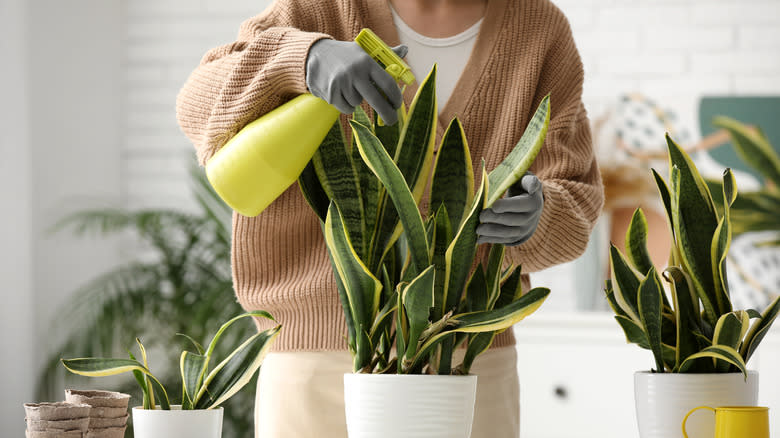
Snake Plant
Snake plants are known for their upright leaves. They can handle lower light than many indoor plants.
Let the soil dry between waterings. Avoid keeping the roots wet for long periods.
Pothos
Pothos is a popular trailing plant. It can grow in many indoor spaces with suitable light.
It works well in hanging baskets or on shelves. Allow the soil to dry somewhat before watering again.
Spider Plant
Spider plants have long, narrow leaves and can produce small plantlets. They work well in bright, indirect light.
They are also listed by ASPCA as non-toxic to dogs and cats. ASPCA
ZZ Plant
ZZ plants have thick stems and shiny leaves. They can tolerate lower light and periods of dry soil.
They are useful for people who may forget occasional watering.
Peace Lily
Peace lilies have dark leaves and attractive white flowers. They prefer bright, indirect light and evenly moist soil.
However, peace lilies are toxic to cats and dogs. Pet owners should keep them away from animals. ASPCA
Philodendron
Philodendrons are popular because many types grow well indoors. They often prefer bright, indirect light.
Water when the upper part of the soil begins to dry. Avoid keeping the pot constantly wet.
Cast Iron Plant
Cast iron plants are known for handling lower light. They can be useful in rooms with limited natural light.
They still need some light and proper drainage. No house plant should be placed in complete darkness.
Chinese Evergreen
Chinese evergreen plants have attractive leaves and can handle lower indoor light. They are often chosen for offices and living spaces.
Their care needs still depend on the specific variety and room conditions.
Best Low-Light House Plants
Low light does not mean no light. It means the plant can tolerate weaker indoor light than many other plants.
Good choices can include:
- Snake plant
- ZZ plant
- Cast iron plant
- Chinese evergreen
- Pothos
Place these plants near a suitable light source. A dark room without useful natural or grow light is not suitable for normal plant growth.
Watch your plant after moving it. Slow growth, pale leaves, or stretched stems can signal that it needs more light.
House Plants for Bright Light
Some house plants prefer brighter conditions. However, bright indoor light is not always the same as strong outdoor sunlight.
A sunny window can work well for plants such as aloe vera and jade plants. Some succulents also prefer strong light.
Croton and rubber plants can also work in brighter indoor spaces. Their exact needs depend on the plant and the strength of the light.
Move plants into stronger light gradually. A sudden change can stress leaves or cause sun damage.
Use a curtain if direct afternoon sunlight is too strong. Always watch how the plant responds to its location.
How to Choose the Right House Plant
Choosing the right plant starts with your room. Do not choose a plant only because you like its appearance.
Use this simple process:
- Check the light in the room.
- Measure the space available.
- Consider your watering habits.
- Check the room temperature.
- Think about humidity.
- Check pet safety if needed.
- Consider the plant’s mature size.
- Match the plant to your experience.
- Choose a plant that fits your available time.
For example, a person with a dark office should avoid plants that need strong sunlight.
Someone with pets should also check plant safety before buying. ASPCA notes that several common house plants can cause problems when pets chew or eat them. ASPCA
How to Care for House Plants

Good house plant care starts with understanding the plant. There is no single care plan for every indoor plant.
Light
Give the plant the type of light it needs. Check the leaves and growth for signs of stress.
Water
Water based on soil moisture and plant needs. Avoid following a fixed schedule for every plant.
Soil
Use a quality indoor potting mix. The mix should provide air, drainage, and enough moisture for the plant.
Drainage
Use containers with drainage holes. Excess water needs a way to leave the pot.
Temperature
Most common house plants prefer stable indoor temperatures. Keep them away from extreme heat and cold.
Humidity
Some tropical plants prefer more humidity. Dry indoor air can affect certain plants, especially during winter.
Fertilizer
Plants need nutrients for healthy growth. Follow the fertilizer label and avoid applying more than recommended.
Pruning
Remove dead or damaged leaves when needed. Pruning can also help maintain the plant’s shape.
Repotting
Repot when the plant needs more root space or the current pot no longer works well.
Cleaning Leaves
Dust can collect on broad leaves. Gently cleaning leaves can keep them looking fresh and makes it easier to inspect them.
How Often Should You Water House Plants?
There is no single watering schedule for all house plants. Water needs depend on several factors.
These include:
- Plant type
- Pot size
- Soil type
- Light level
- Room temperature
- Season
- Humidity
Check the soil before watering. If the plant’s needs allow the soil to dry, feel the upper soil before adding more water.
Overwatering can cause serious root problems. Underwatering can also cause wilting and dry leaves.
The goal is not to water more often. The goal is to give each plant the amount of water it needs.
How Much Light Do House Plants Need?
Indoor plants generally fall into several light groups.
Low Light
These plants can tolerate weaker light. Snake plants, ZZ plants, and cast iron plants are common examples.
Medium Light
These plants need more useful light than low-light plants. A room with a bright window may work well.
Bright Indirect Light
This means strong light without harsh direct sun hitting the leaves for long periods.
Direct Sunlight
Some plants can handle direct sun. Succulents and some other sun-loving plants may need it.
Watch the plant rather than relying only on a label. A bright window can be perfect for one plant and too strong for another.
Best Soil for House Plants
House plants usually need a potting mix made for containers. Ordinary garden soil is often too heavy for indoor pots.
A good indoor mix should support:
- Drainage
- Air movement around roots
- Moisture retention
- Healthy root growth
Different plants may need different mixes. Succulents, orchids, and other specialty plants can have more specific soil needs.
The main goal is to avoid soil that stays wet for too long.
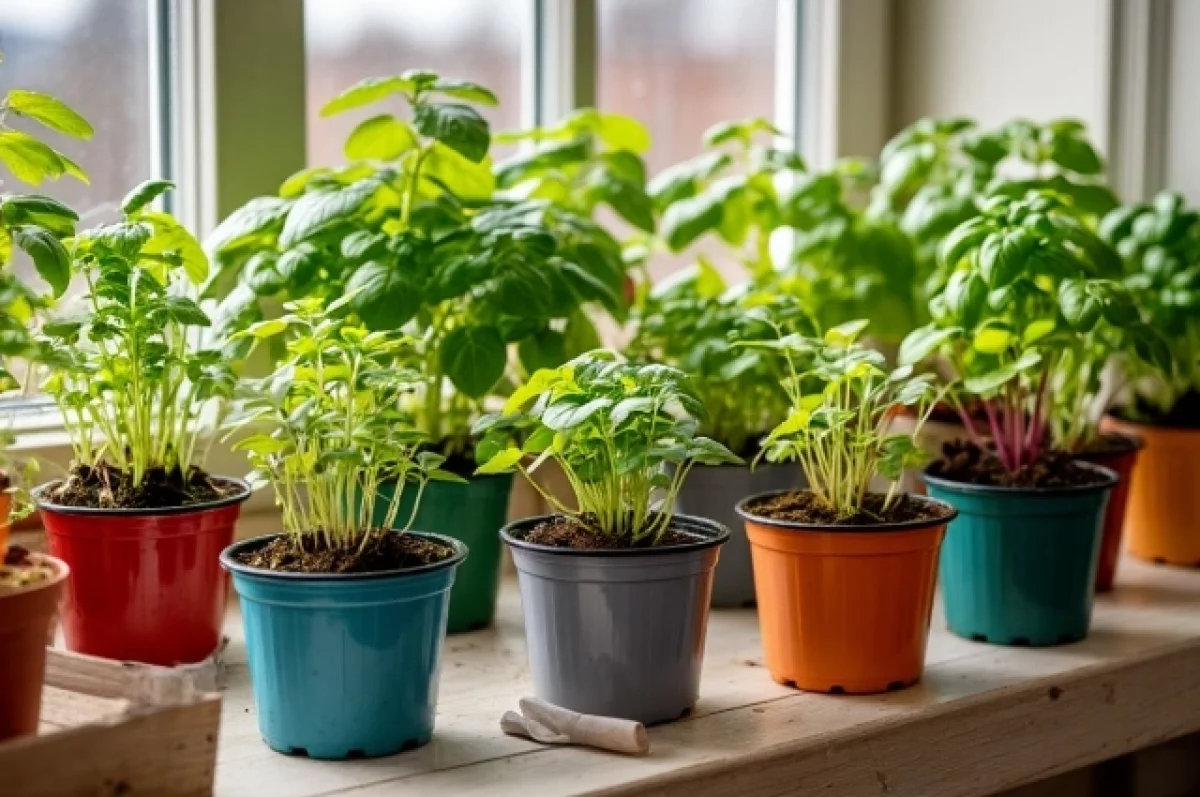
Choosing the Right Pots for House Plants
The pot is an important part of plant care. A container should match the plant’s size and watering needs.
Look for pots with drainage holes. These holes allow extra water to leave the container.
Common choices include:
- Plastic pots
- Terracotta pots
- Decorative pots
- Nursery pots
- Drainage trays
A decorative pot can work as an outer cover. Keep the plant in a container that allows water to drain.
Do not let the plant sit in standing water. Penn State Extension also recommends removing excess water from decorative outer containers after watering. Penn State Extension
When to Repot House Plants
Not every house plant needs frequent repotting. Repot when the plant shows signs that its current container is limiting growth.
Common signs include:
- Roots growing through drainage holes
- Soil drying very quickly
- Roots tightly filling the pot
- An unstable plant
- Slow growth despite proper care
Penn State Extension lists roots coming through drainage holes and unusually fast soil drying among common signs of a pot-bound plant. Penn State Extension
Spring can be a useful time for repotting many growing plants. However, the plant’s condition should guide the decision.
How to Repot a House Plant
Follow these simple steps:
- Choose a suitable new pot.
- Prepare fresh indoor potting mix.
- Remove the plant carefully.
- Check the roots.
- Place the plant in the new pot.
- Add fresh soil around the roots.
- Water as appropriate for the plant.
- Give the plant time to adjust.
Choose a pot that is only appropriately larger. A very large pot can hold too much wet soil around the roots.
Use fresh, suitable potting mix. Avoid packing the soil too tightly around the roots.
Common House Plant Problems

Indoor plants can develop problems even with good care. The first step is to look at the whole growing environment.
Yellow Leaves
Yellow leaves can have several causes. Overwatering, underwatering, poor light, natural aging, and root problems can all play a role.
Do not assume that every yellow leaf means the plant needs more water. Check the soil and other plant conditions first.
Brown Leaf Tips
Brown tips can develop from dry conditions, underwatering, salt buildup, excess fertilizer, or other stress.
Check the soil and room conditions. Also consider recent changes in care.
Drooping Leaves
Drooping can result from water stress, root problems, temperature changes, or unsuitable light.
Check the soil before watering. Then review the plant’s location and recent care.
Pests
Common house plant pests include:
- Fungus gnats
- Spider mites
- Mealybugs
- Aphids
- Scale
Illinois Extension lists these among common indoor plant pests. Fungus gnats can also signal that growing media is staying too moist. Illinois Extension
Inspect leaves, stems, and the soil surface regularly. Early action can make pest problems easier to manage.
For indoor pest products, always follow the product label. Use only products labeled for indoor use when appropriate. Illinois Extension
Are House Plants Safe for Pets?
Not all house plants are safe for cats and dogs. Pet owners should check each plant before bringing it indoors.
For example, ASPCA lists snake plants as toxic to dogs and cats. Pothos, peace lilies, and Chinese evergreens can also cause problems if pets chew them. ASPCA
Spider plants are listed as non-toxic to dogs and cats by ASPCA. ASPCA
Plant names can sometimes be confusing. Check the exact plant name before making a safety decision.
If you think your pet ate a toxic plant, contact your veterinarian or an animal poison service promptly.
House Plant Care in Winter
Winter can change indoor growing conditions. Days are often shorter, while home heating can make the air drier.
Watch for:
- Lower light
- Dry indoor air
- Heating systems
- Cold drafts
- Cold windows
- Slower plant growth
Many plants use less water during slower growth. However, do not reduce watering automatically for every plant.
Check the soil and the plant’s needs before watering.
Keep tropical plants away from cold drafts. Also avoid placing plants directly beside hot heating vents.
House Plant Care in Summer
Summer can create the opposite challenges. Stronger sunlight and higher temperatures may increase water loss.
Watch for:
- Faster soil drying
- Strong sunlight
- Higher temperatures
- Air conditioning
- Heat stress
- Changes in watering needs
Move plants away from harsh direct sun when needed. Keep checking soil moisture as conditions change.
Air conditioning can also create cooler or drier areas. Avoid placing sensitive plants directly in strong airflow.
Best House Plants for Bedrooms
Choose bedroom plants based on light, space, and care needs. A small room may work better with compact plants.
Snake plants, spider plants, pothos, and some ZZ plants can suit many bedroom settings.
However, the plant still needs suitable light. Do not choose a plant only because it looks good beside the bed.
Also consider pet safety if animals can enter the room.
Best House Plants for Bathrooms
Bathrooms can have higher humidity than other rooms. However, they may also have limited natural light.
Choose plants that match both conditions. A humid bathroom is not useful if it has almost no light.
Spider plants, pothos, and some other indoor plants can work when the light is suitable.
Check the room before choosing the plant. If there is no useful natural light, consider a suitable grow light.
Best House Plants for Offices
House plants can work well on desks, shelves, and near office windows.
Choose plants based on the available light and space. ZZ plants, pothos, snake plants, and spider plants can be useful choices.
Artificial room lighting alone may not provide enough light for normal plant growth. A suitable grow light may help when natural light is limited.
Keep plants away from vents and areas with extreme temperature changes.
Common House Plant Care Mistakes
Many indoor plant problems come from simple care mistakes.
Overwatering
Watering too often can keep the soil wet for too long. Check soil moisture before watering.
Using Pots Without Drainage
A pot without drainage can trap excess water. Choose a container that allows water to escape.
Poor Lighting
A plant may struggle when its light needs are ignored. Move it to a better location when needed.
Ignoring Pests
Small pests can spread if they are not noticed early. Check leaves and stems during your normal plant care routine.
Using Too Much Fertilizer
More fertilizer does not always mean better growth. Follow the product directions carefully.
Repotting Too Often
Repotting can disturb roots. Only repot when the plant needs a new container or fresh growing space.
Choosing the Wrong Plant
A plant may fail because it does not match the room. Always check light, water, size, and temperature needs.
Ignoring Seasonal Changes
Indoor conditions can change throughout the year. Adjust care based on light, temperature, and soil moisture.
Placing Plants Near Vents
Heating and cooling vents can create stressful conditions. Move plants away from strong direct airflow.
Simple House Plant Care Routine
A simple routine can help you notice problems early.
Weekly
- Check soil moisture.
- Inspect leaves.
- Look for pests.
- Check for damaged leaves.
- Rotate plants if needed.
Monthly
- Clean dusty leaves.
- Check new growth.
- Inspect pots and drainage.
- Review the plant’s location.
Seasonally
- Check changes in light.
- Adjust watering when needed.
- Review fertilizer use.
- Repot only when necessary.
Do not water every plant on the same day. Let each plant’s condition guide your care.
Frequently Asked Questions About House Plants
What are the easiest house plants to grow?
Snake plants, pothos, spider plants, ZZ plants, and cast iron plants are popular easy-care choices. Their needs still vary by room and plant variety.
How often should you water house plants?
There is no fixed schedule for every plant. Check the soil and consider the plant, pot, light, temperature, and season.
What house plants need low light?
Snake plants, ZZ plants, cast iron plants, Chinese evergreens, and pothos can tolerate lower light. However, low light does not mean complete darkness.
What is the best house plant for beginners?
There is no single best plant for everyone. Snake plants and pothos are often good starting choices because they can handle a range of indoor conditions.
Why are my house plant leaves turning yellow?
Yellow leaves can have many causes. Check watering, light, roots, temperature, and normal leaf aging before changing your care routine.
Why are my house plant leaves turning brown?
Brown tips can result from dry conditions, underwatering, fertilizer salts, or other stress. Check the plant’s full growing conditions.
How do I know when to repot a house plant?
Look for roots coming through drainage holes, fast soil drying, or tightly packed roots. Slow growth can also be a sign when other care needs are correct. Penn State Extension
What is the best soil for house plants?
A quality indoor potting mix is usually a good starting point. Choose a mix that provides drainage, air space, and suitable moisture retention.
Are house plants safe for pets?
Some are safe, while others are toxic. Always check the exact plant before bringing it into a home with cats or dogs. ASPCA
Can house plants grow without direct sunlight?
Yes. Many house plants grow well with bright indirect light or lower light. However, plants still need enough usable light for healthy growth.
How do I keep house plants healthy?
Match the plant to the room, provide suitable light, and water based on soil moisture. Good drainage and regular pest checks also help.
Conclusion
House plants can make indoor spaces greener and more enjoyable. The best results come from matching each plant to the right room.
Start by checking light, space, temperature, and your watering habits. Then choose a plant that fits those conditions.
Good care does not need to be complicated. Check the soil, watch the leaves, provide proper light, and look for pests.
Most importantly, learn what your specific plant needs. With the right choice and simple care, your indoor garden can stay healthy and attractive.