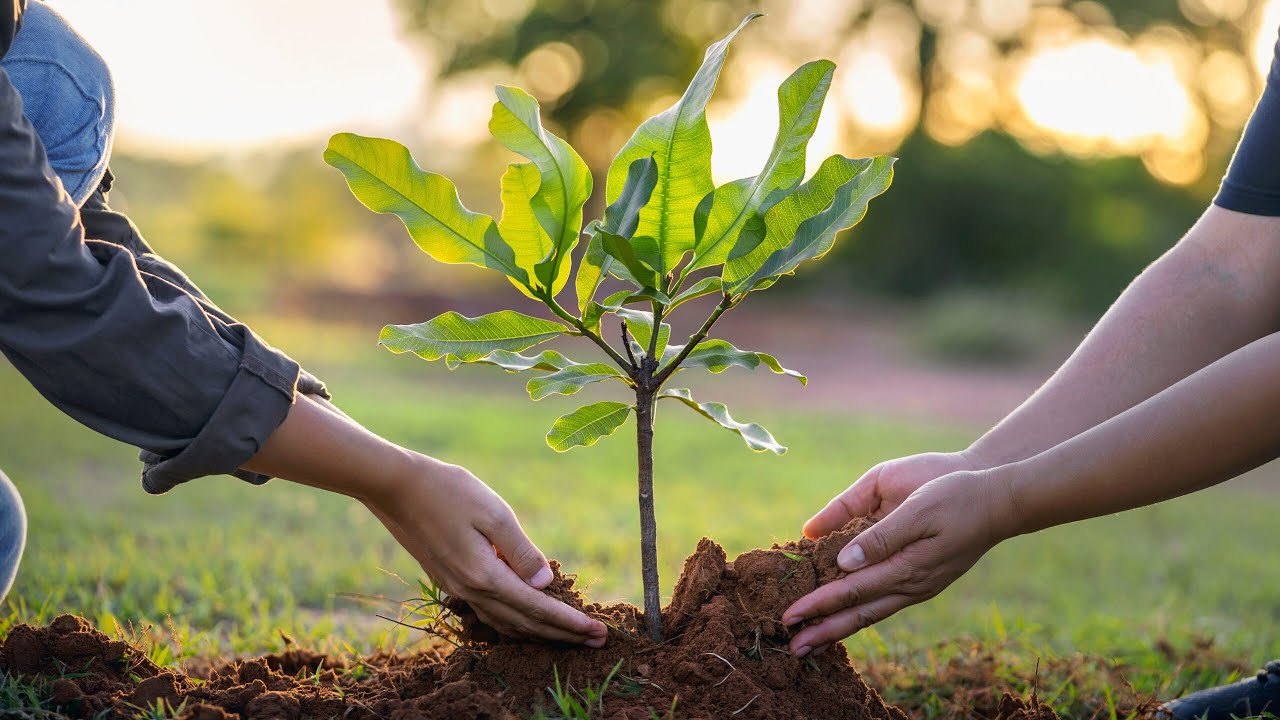
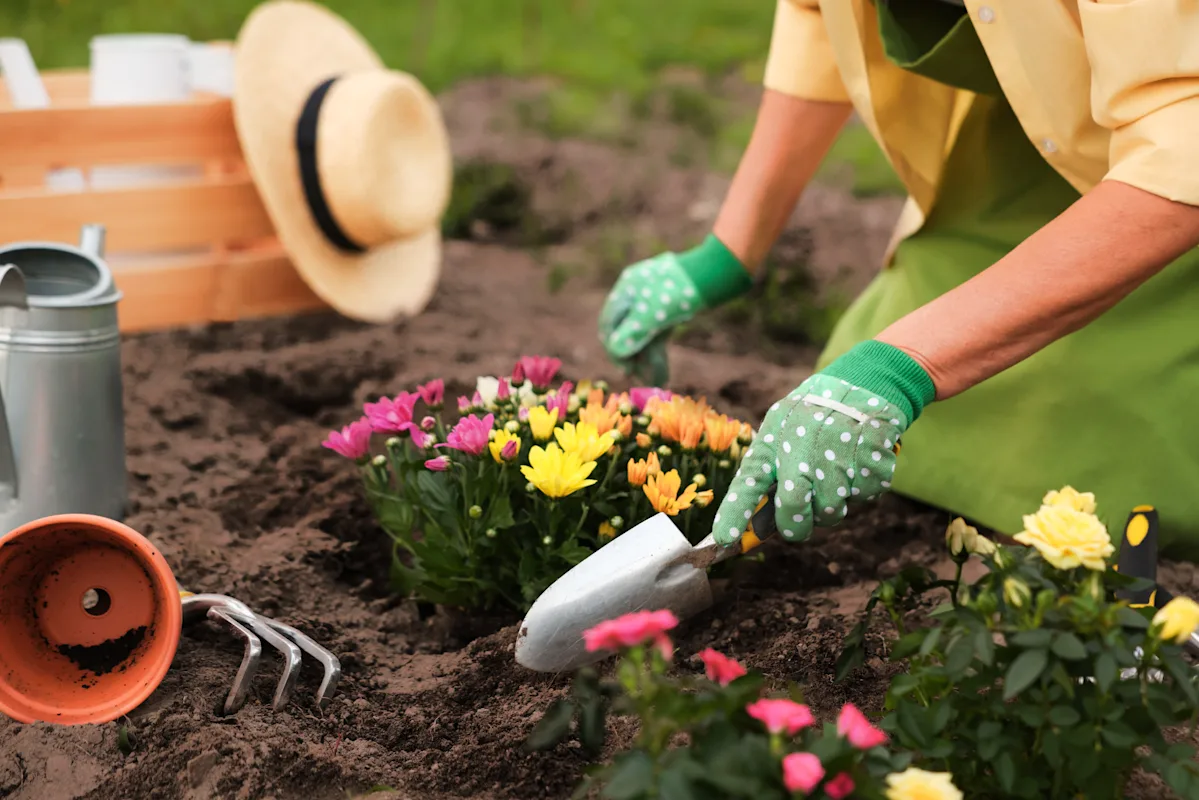
I have been growing plants for a while now. Sometimes my plants just did not do well. I would water them. Give them food all the time. They still did not grow like I wanted them to. Then I figured out the problem was actually the Garden Soil. I mean the Planting soil was the issue. I was doing everything with my plants but the Soil was not good. The Gardening soil was not good enough. This was stopping the roots of the plants from growing properly, reducing the nutrients they could get and not letting them grow to their full potential. The good news is that it is not that hard to make your Garden Soil better.
When I first started gardening I thought that using fertilizer was the answer to all my problems. After I started using homemade compost and made my Garden Soil better I saw a big difference. The leaves of my plants were healthier and the roots were stronger. I got a much better harvest. This guide will share the tips and tricks that I learned along with some expert advice, to help you make your Planting soil rich and productive so you can have a successful garden.
What Is Garden Soil?
Garden Soil is really important for plants because it is where they grow. The Gardening soil gives the plants the water, nutrients, air and support that the plants need to grow.
To have Gardening soil you need to have a good balance of things like minerals and matter and water and air. You also need to have living things like earthworms and fungi in the Gardening soil.
These tiny living things like earthworms and fungi are very helpful to the Gardening soil. They break down plants and recycle the nutrients that the plants need to grow.
This helps the plants to grow stronger. They are better able to deal with stress. The Gardening soil is like a home for the plants and the tiny living things like earthworms and fungi help to make the Garden Soil a good home for the plants.
Good Garden Soil should have

* drainage so water does not get stuck
* The right amount of moisture so plants do not get too dry or too wet
* A balance of nutrients so plants get what they need to grow
* Plenty of matter like old plants and compost
* Healthy microbial activity, which means it has lots of helpful tiny living things
* Strong root support so plants can grow deep and strong
Why Is Garden Soil Important?
Garden Soil is the foundation of every garden. Even if you have the seeds they will not grow well if the Planting soil is not good. Good Planting soil helps plants in ways:
* It supports root development so plants can grow deep and strong
* It holds the amount of moisture so plants do not get too dry or too wet
* It gives plants the nutrients they need to grow
* It helps air get to the roots so plants can breathe
* It encourages tiny living things to grow, which breaks down old plants and recycles nutrients
* It reduces stress and disease in plants
Because of all these benefits, spending time making your Garden Soil better works better than just using fertilizer.
Main Types of Garden Soil

Every garden has Garden Soil. Knowing what kind of Garden Soil you have helps you make it better.
Sandy Soil
This type of Garden Soil drains water quickly. Warms up fast in the spring.. It can get too dry and lose nutrients easily.
Clay Soil
This type of Planting soil holds water well. It can get too compacted and stop roots from growing.
Silty Soil
This type of Garden Soil feels smooth. Holds moisture well. It is naturally fertile. It can get compacted if not taken care of.
Loamy Soil
This garden soil is really good for plants. It has sand and silt and clay and organic matter all mixed together. This mix gives Planting soil drainage so plants do not get too much water. It also helps Soil keep moisture so plants do not get too dry. Soil for gardens has nutrients that plants need to grow.
What Makes Healthy Garden Soil?
Several things work together to make Planting soil productive:
* Matter: This improves the fertility and structure of the Garden Soil
* Compost: This adds nutrients naturally
* Earthworms: These improve the air in the Soil for gardens
* microbes: These break down old plants and recycle nutrients
* Air pockets: These help roots breathe
* Water: This helps plants get the nutrients they need
When all these things are in balance plants grow healthier roots and stronger growth throughout the season.
How to Test Garden Soil
Before you add anything to your Garden Soil you should test it to see what it needs. A soil test can tell you:
* The pH of your Garden Soil
* The level of nutrients
* The amount of matter
* If there are any deficiencies
You can find out how to test your Garden Soil by visiting the website of your Cooperative Extension
Understanding Soil pH

The Garden Soil pH is very important because it determines how well plants can get the nutrients they need to grow.
Most plants do well in Gardening soil that is a bit acidic or neutral which means the Garden Soil pH is, between 6.0 and 7.0.
If the Garden Soil pH is too high or it is too low the plants may not grow well even if they have all the nutrients they need from the Gardening soil.
Best Ways to Improve Garden Soil
Making your Garden Soil better is a process. Small changes each season can make a difference.
Add Compost: Compost is one of the natural things you can add to your Garden Soil. It improves drainage, holds moisture and feeds tiny living things.
Use Organic Mulch: Organic mulch protects the Gardening soil. Adds nutrients over time. You can use things like shredded leaves, straw or wood chips.
Avoid Soil Compaction: Walking on your garden beds can compact the Garden Soil and reduce air. Instead use paths. Raised beds to minimize compaction.
Best Soil Amendments for Better Garden Soil
Problems with your Garden Soil need different solutions. Choosing the amendment can improve the structure, drainage and fertility of your Planting soil without harming your plants.
* Sandy Soil: Add compost to improve water and nutrient retention
* Clay Soil: Add compost and gypsum to improve drainage and structure
* organic matter: Add well-rotted manure or compost to increase fertility
* Acidic soil: Add garden lime after a soil test to raise the pH
* Alkaline soil: Add elemental sulfur after a soil test to lower the pH
Always add amendments based on soil test results. This will save you money. Prevent nutrient imbalances.
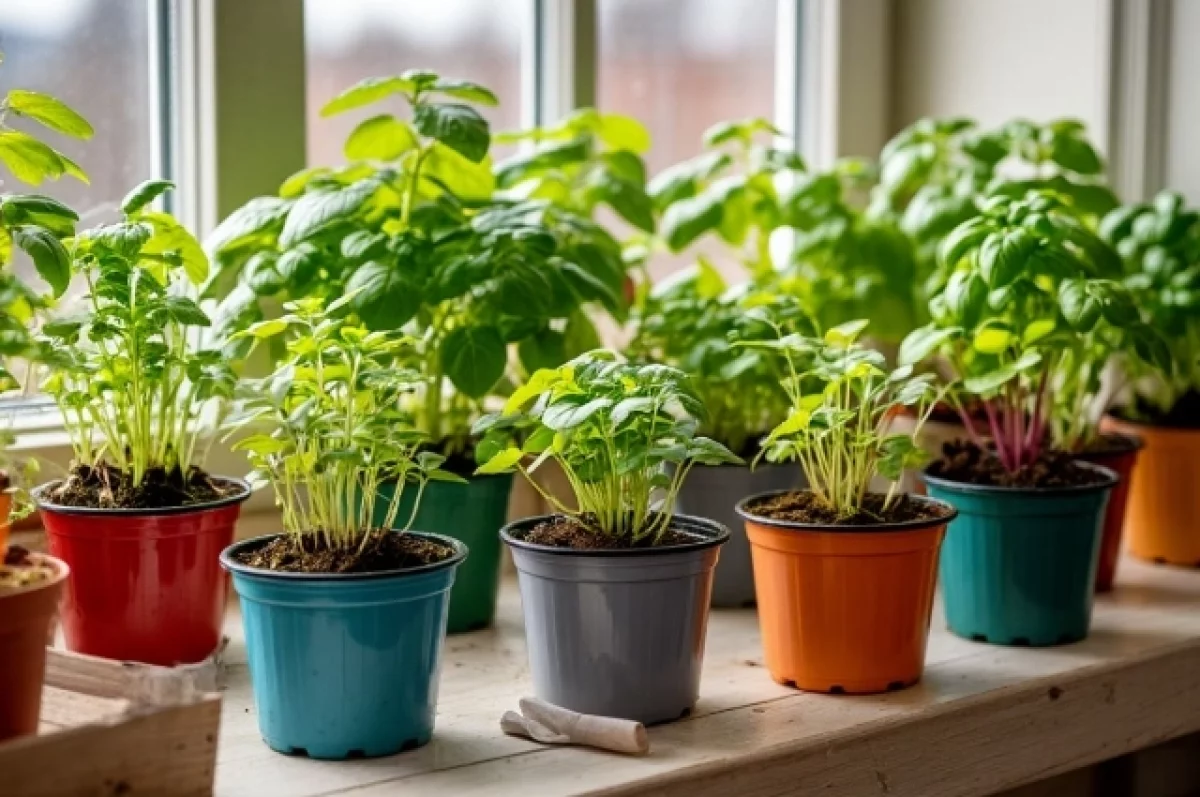
Garden Soil vs. Potting Soil

Many people think that Gardening soil and potting soil are the same. They are not. Garden Soil is for garden beds while potting soil is for containers and pots. Planting soil has minerals and microorganisms while potting soil is usually soilless and lightweight.
Using the growing medium helps plants develop stronger roots and stay healthier throughout the growing season.
Choosing the Best Planting soil for Raised Beds
Raised beds work best with nutrient-rich Planting soil that drains well. A good raised bed mix includes:
* High-quality topsoil
* Finished compost
* matter
* Natural soil conditioners
This combination gives good drainage and holds enough moisture for healthy root growth. Raised beds also warm up faster in the spring making them great for vegetables, herbs and flowers.
Common Gardening soil Mistakes to Avoid
Many gardening problems start with mistakes. Fortunately most are easy to prevent.
Adding Much Fertilizer: More fertilizer does not always mean better plants. Much fertilizer can damage roots and reduce plant health.
Ignoring Soil pH: Plants cannot get nutrients efficiently if the pH is too high or too low.
Overwatering: Wet Gardening soil has oxygen, which can cause roots to rot and plants to become weak.
Removing Organic Matter: Leaves, compost and natural mulch help feed the Garden Soil. If you throw them away, recycle them back into the garden.
Digging Wet Soil: Working wet Gardening soil can destroy its structure. Create long-lasting compaction.
Seasonal Garden Soil Care

To have a Healthy Garden Soil you need to take care of it all the time.
In the Spring you should check the Garden Soil to see if it is good. If it is not good you need to add compost to it. You also need to get the beds ready, for planting and pick up the trash that was left from the winter.
When it is Summer you need to put mulch on the Planting soil and water it a lot. You should also check to see if the soil is getting washed away. You have to pull out the weeds before they spread over the Garden Soil.
In the Fall you need to mix compost into the beds to make the Garden bed soil better. You should also plant crops that will help the Planting soil and add leaves to it.
During the Winter you should just leave the mulch on the Planting soil. Not walk on it. You can use this time to think about what you can do to make the Garden bed soil better next year.
Signs Your Planting soil Needs Improvement
Plants often show signs when the Planting soil is unhealthy. Watch for:
* plant growth
* Yellow leaves
* flowering
* Small harvests
* Standing water after rain
* Hard compacted Garden Soil
* Dry Garden Soil that repels water
* Weak root systems
If you notice several of these problems, start with a soil test before making changes.
Asked Questions
What is the best Garden Soil for vegetables?
Loamy Gardening soill rich in organic matter is usually the best choice because it provides excellent drainage, moisture retention and nutrient availability.
How often should I improve garden soil?
Adding compost once or twice a year is enough for home gardens. Regular mulching also helps maintain Garden Soil.
Can I use Garden Soil in containers?
No Garden Soil is generally too heavy for pots. Container plants grow better in a high-quality potting mix.
How can I improve clay Garden Soil naturally?
Adding compost over time is one of the effective methods. Organic matter improves drainage reduces compaction and supports soil life.
Does Garden Soil expire?
Healthy Gardening soil does not expire. It can lose nutrients and organic matter. Regular care keeps it productive for years.
Conclusion
Garden Soil is really important for every garden. You need to know what kind of Garden bed soil you have, check it and add compost and other natural things to make it better. This will help your plants be healthy. If you make small changes and keep doing them your Planting soil will get better and your plants will have strong roots, grow well and give you a good harvest. Planting soil is the key to a garden.
I have found that taking the time to make the soil better before I plant things is always an idea. It works better than using fertilizer. First I do a test on the soil. Then I make small changes to make it better. After that I just let the soil do its thing. If you take care of the Garden Vibe. soil it will keep helping your plants grow well for a long time. The GardenVibe.us garden will be season after season. You can find tips on gardening at Garden Vibe. They have a lot of information, for people who are just starting to garden. You can look at Garden Vibe. for tips.