Introduction

A Gardenia is a beautiful flowering plant known for its white flowers and sweet scent. Its glossy, dark green leaves also make it an attractive choice for gardens, patios, and indoor spaces. The common gardenia, Gardenia jasminoides, is an evergreen shrub from East Asia.
Gardenias can grow outdoors in warm regions of the United States. They can also grow in pots, which helps gardeners protect them during cold weather. However, these plants need the right soil, light, and water to stay healthy.
This guide explains how to grow gardenias, encourage flowers, and solve common plant problems. You will learn about sunlight, watering, fertilizer, pruning, winter care, and suitable gardenia varieties. With the right care, you can help your plant grow strong leaves and beautiful blooms.
What Is a Gardenia?
Gardenia is an evergreen shrub in the coffee plant family. The common gardenia, Gardenia jasminoides, has glossy leaves and fragrant white flowers. It comes from parts of China and Japan and grows best in suitable warm conditions.
The flowers may be single or double, depending on the variety. Many look like small white roses. Some flowers turn cream or pale yellow as they age.
Gardenias can grow as outdoor shrubs or as potted plants. Larger varieties work well in garden beds, while compact types may suit containers.
Indoor gardenias need more attention than many common houseplants. They need bright light, steady moisture, and suitable humidity. Outdoor plants also need good soil and protection from harsh cold.
Why Gardenias Are Popular With Gardeners
Gardenias offer several features that make them popular.
- Fragrant flowers: Their sweet scent can make patios and garden paths more inviting.
- Glossy leaves: Dark green leaves look attractive even when the plant has no flowers.
- Evergreen growth: In suitable climates, the leaves remain on the plant through winter.
- Container growing: Pots make it easier to move plants to a protected spot.
- Garden use: Gardenias can grow near walkways, patios, and sheltered seating areas.
- Indoor display: A potted gardenia may flower indoors when light and other conditions are suitable.
However, gardenias can be fussy about their growing conditions. Poor drainage, unsuitable soil, or sudden changes in temperature may lead to yellow leaves or falling buds.
Best Gardenia Varieties for Home Gardens
Different gardenia varieties offer different flower forms, sizes, and levels of cold tolerance. Always check the plant label before buying one.
August Beauty
August Beauty is a larger shrub with double white flowers. Clemson Cooperative Extension lists a typical size of about 4 to 6 feet tall and 3 to 4 feet wide.
It can flower from mid-spring into fall in suitable conditions. This variety may work well in a garden bed where it has room to grow.
Frostproof
Frostproof produces double, fragrant white flowers. It grows to around 5 feet tall and 4 feet wide under suitable conditions.
This variety is known for improved tolerance of early spring frosts. However, that does not mean it can survive every winter. Check your local climate before planting it outdoors.
Kleim’s Hardy
Kleim’s Hardy is sold as a more compact gardenia with single, star-shaped white flowers. It may suit smaller gardens or containers.
Its cold tolerance still depends on local conditions and the plant’s growing site. Check the nursery label and regional growing advice before choosing it for an exposed garden.
Radicans
Radicans is a low-growing, spreading gardenia. It may work as a ground cover or as a plant near the front of a garden bed.
Its smaller growth habit can also suit a wide container. Give it good drainage and enough light for healthy growth.
Mystery
Mystery is known for large, double white flowers with a strong fragrance. Clemson Cooperative Extension reports flowers about 4 to 5 inches wide.
This variety can grow about 4 to 6 feet tall and 3 to 4 feet wide, sometimes larger. It is better suited to a garden bed or a large container than a small windowsill.
No variety is best for every garden. Choose one based on your space, winter temperatures, and growing conditions.
Can Gardenias Grow in the United States?
Yes. Gardenias can grow outdoors in suitable parts of the United States, especially in warmer regions. They can also grow in containers in colder areas if gardeners provide suitable indoor or sheltered conditions.
Many common gardenias grow best in USDA hardiness zones 8 through 11, though the exact range depends on the variety. Some newer varieties tolerate more cold than older types.
The USDA Plant Hardiness Zone Map helps gardeners compare average winter lows in different areas. However, it cannot predict every cold snap or account for every garden’s conditions.
Before planting outdoors, check your zone and the specific variety’s cold tolerance. A sheltered spot may help, but it cannot make a tender plant safe from every freeze.
If your winters are cold, consider growing gardenias in pots. You can move them to a protected place when temperatures drop.
How Much Sunlight Does a Gardenia Need?
Gardenias need bright light to grow well and form flower buds. Outdoors, many grow best in morning sun with some shade from strong afternoon heat.
In hot regions, intense afternoon sun may stress the leaves. In deep shade, the plant may grow slowly and produce fewer flowers.
For an outdoor gardenia:
- Choose a bright, sheltered spot.
- Give it morning sunlight where possible.
- Protect it from harsh afternoon sun in very hot weather.
- Avoid places with strong, drying winds.
For an indoor gardenia, choose a bright window or another spot with strong natural light. A south- or east-facing window may work, depending on the home and season.
Gardenias are flowering plants that need plenty of light indoors. The University of Minnesota Extension lists gardenias among high-light houseplants.
If your plant grows leaves but does not bloom, check its light before adding more fertilizer.
Best Soil for Gardenias
Gardenias grow best in acidic soil that holds some moisture but drains well. Soil pH measures how acidic or alkaline the soil is. A lower pH means more acidic soil.
Clemson Cooperative Extension recommends a soil pH of about 5.0 to 6.0 for gardenias.
Soil that is too alkaline can make iron harder for the roots to absorb. This may cause young leaves to turn yellow while the veins remain green.
For outdoor gardenias:
- Choose soil that drains well.
- Add suitable organic matter if needed.
- Avoid spots where water collects.
- Test the soil before trying to change its pH.
For potted gardenias, use a well-drained potting mix made for acid-loving plants. Make sure the pot has drainage holes.
Do not add lime or other soil treatments without checking the soil first. Changing the pH without testing may create more problems.
How Often Should You Water a Gardenia?
Gardenias need steady moisture, but their roots should not sit in water. The right watering schedule depends on temperature, light, soil, pot size, and plant growth.
Check the soil before watering. If the upper part of the growing mix begins to dry, water the plant thoroughly. Let extra water drain away.
During hot weather, outdoor gardenias may need water more often. Potted plants can dry out faster than plants growing in garden beds.
Follow these simple rules:
- Check the soil rather than using a strict calendar.
- Water when the growing mix begins to dry.
- Do not leave a pot standing in water.
- Check containers more often during hot, bright weather.
- Avoid letting the root area stay very dry for long periods.
Both too much and too little water can cause stress. Wet soil may damage roots, while dry soil can cause leaves to wilt and buds to fall.
If leaves turn yellow, check the soil before changing your watering routine. Yellow leaves alone do not tell you whether the plant needs more or less water.
How to Fertilize a Gardenia
Gardenias may benefit from fertilizer made for acid-loving plants. These products can help support healthy leaves and flowers when used correctly.
Follow the label instructions. Do not assume that more fertilizer will produce more blooms.
Too much fertilizer can harm roots or lead to unwanted growth. Gardenias may also develop yellow leaves because of poor drainage or unsuitable soil pH.
Before feeding a struggling plant, check its light, water, and soil. A soil test may help identify a nutrient problem.
Clemson Cooperative Extension advises against fertilizing gardenias in fall because new, tender growth may suffer during winter cold.
In general, feed during active growth when the plant needs nutrients. Avoid heavy feeding when growth slows or stops.
How to Grow Gardenias Indoors
An indoor gardenia can be rewarding, but it needs the right conditions. Dry air, low light, and sudden temperature changes can make it hard to keep the plant healthy.
Choose a Bright Location
Place the plant near a bright window. It needs strong light to grow well and form flower buds.
If the plant becomes weak or stops flowering, check whether it receives enough light.
Keep the Plant Warm
Gardenias prefer suitable, steady temperatures. Protect them from cold drafts and sudden changes in temperature.
Avoid placing the plant beside a heater or air vent that blows hot, dry air.
Maintain Humidity
Indoor air can become dry, especially during winter. Dry air may stress the plant and contribute to bud drop.
A room humidifier may help. Keep the pot in a place with good air movement, and do not leave the roots standing in water.
Water With Care
Keep the growing mix evenly moist without making it soggy. Check the soil often, as indoor conditions can change how quickly the pot dries.
Use Suitable Potting Mix
Choose an acidic, well-drained potting mix. A pot with drainage holes helps protect the roots from excess water.
Repot When Needed
If roots fill the pot and growth slows, move the plant to a slightly larger container. Avoid moving it into an oversized pot that stays wet for too long.
Indoor gardenias may not flower well in every home. Suitable light, temperature, humidity, and root care all matter.
How to Plant a Gardenia Outdoors
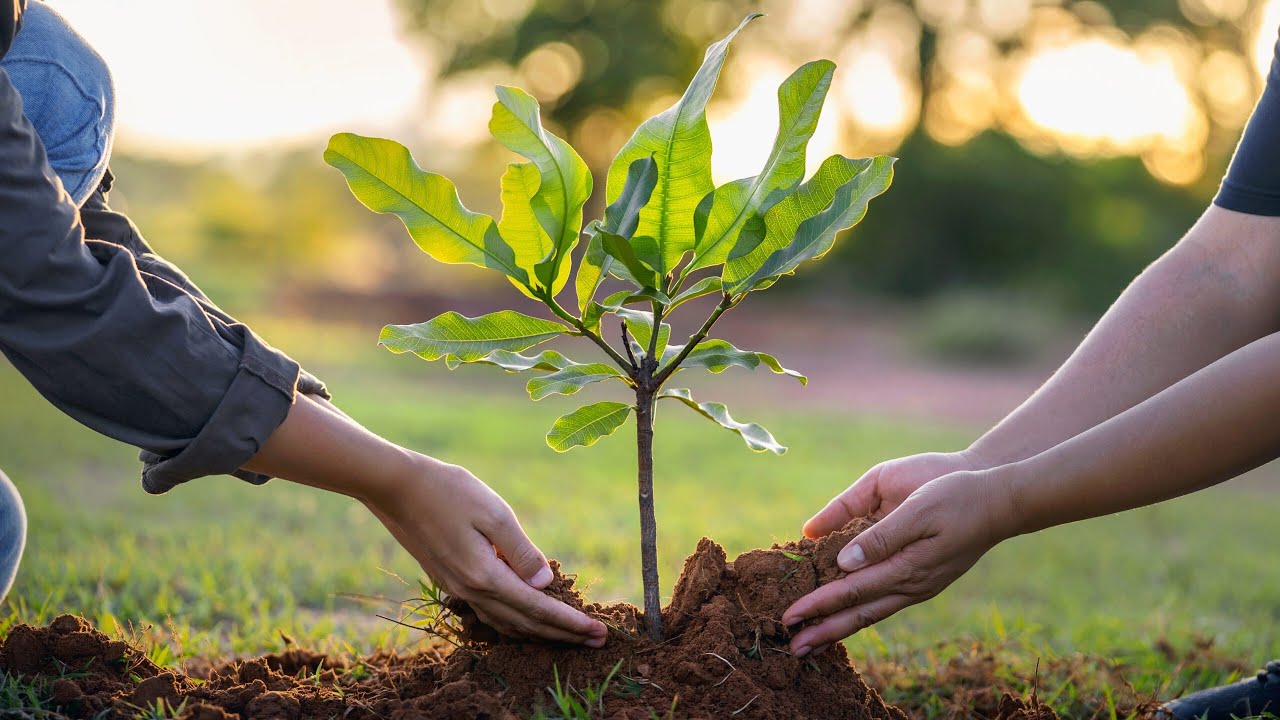
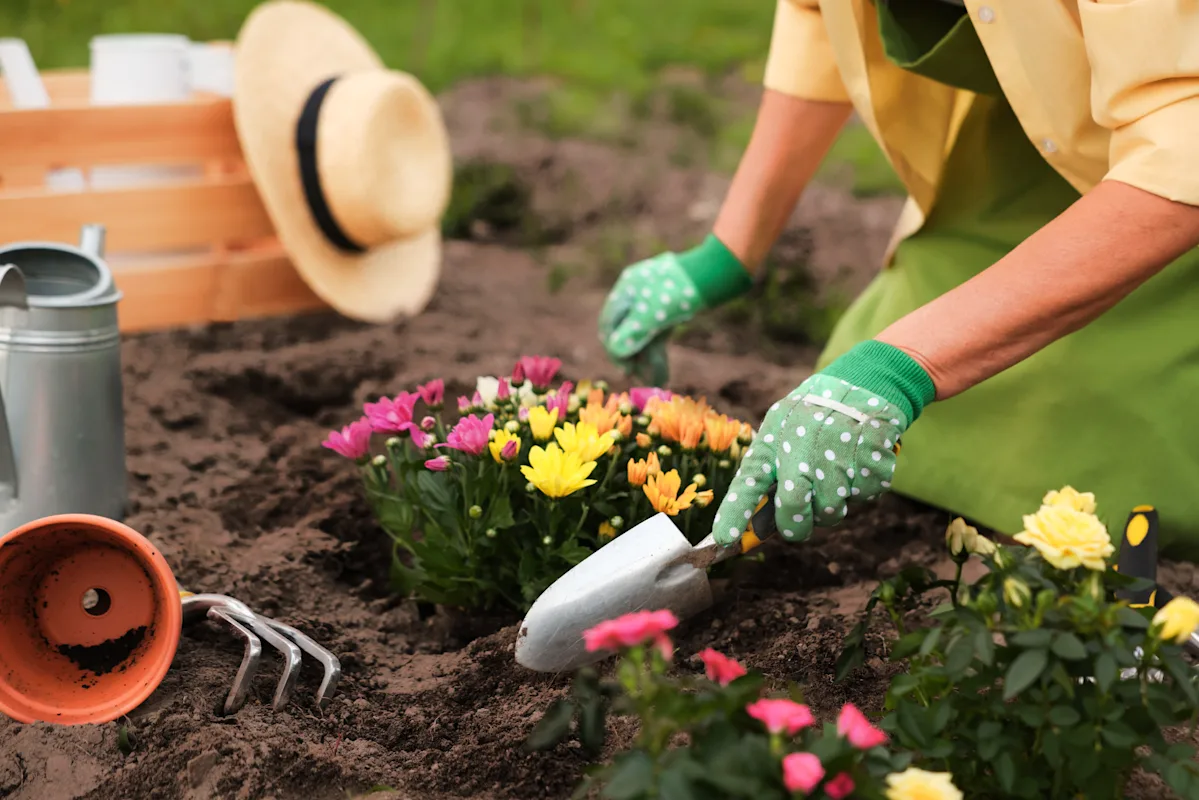
Planting a gardenia in the right place can help it grow strong roots and healthy leaves.
Step 1: Choose a Suitable Variety
Check the plant’s mature size and cold tolerance. Make sure it suits your garden and climate.
Step 2: Find a Good Location
Choose a sheltered spot with suitable light. Avoid areas where rainwater collects or nearby tree roots compete heavily for moisture.
Step 3: Check the Soil
Gardenias prefer acidic, well-drained soil. Test the soil if you are unsure about its pH.
Step 4: Prepare the Planting Hole
Make the hole wide enough for the root ball. Follow local extension advice for planting depth and soil preparation.
Step 5: Set the Plant at the Correct Depth
Place the root ball at the right level, following nursery or extension guidance. Do not bury the stem too deeply.
Step 6: Backfill and Water
Fill the space around the root ball with soil. Water well to help settle the soil around the roots.
Step 7: Add Mulch
A layer of suitable mulch can help hold moisture and reduce soil temperature changes. Keep the mulch away from direct contact with the stem.
After planting, check soil moisture often. Young gardenias need steady care while their roots settle into the new site.
How to Prune a Gardenia
Pruning helps keep a gardenia in shape and removes dead or damaged branches. It can also help the plant stay a suitable size for its space.
For many gardenias, the best time to prune is after the main flowering period. Pruning at the wrong time may remove developing flower buds.
Use clean, sharp pruning tools. Remove dead branches first, then trim any growth that spoils the plant’s shape.
Avoid heavy pruning unless the plant needs major repair. If you cut away too much growth, you may reduce the next display of flowers.
Pruning needs can vary by variety and climate. Check local growing advice if you are unsure when your plant forms its flower buds.
When Do Gardenias Bloom?
Many gardenias bloom from spring into summer, but flowering time depends on the variety and growing region. Some varieties may produce flowers over a longer season when conditions are suitable.
Healthy growth, enough light, steady moisture, and suitable temperatures help support flowering. Poor growing conditions may lead to fewer blooms.
Gardenias do not follow one exact schedule in every garden. A plant may flower at a different time after a change in weather, pruning, or growing conditions.
To support flowering, keep the plant healthy and avoid sudden changes in care. Do not expect fertilizer alone to make a gardenia bloom.
Why Are My Gardenia Leaves Turning Yellow?
Yellow leaves can have several causes. Check the plant and its growing conditions before treating the problem.
Soil Is Too Alkaline
Signs: New leaves may turn yellow while their veins stay green.
What to check: Test the soil pH, especially if the plant grows near concrete or has received lime.
What to do: Follow a soil test or local extension advice before changing the soil or adding iron.
Too Much Water
Signs: Soil stays wet, and leaves may yellow or fall.
What to check: Look for poor drainage or water sitting in the pot tray.
What to do: Let excess water drain away and correct the watering routine. If the soil remains wet, check the pot and growing mix.
Too Little Water
Signs: Soil is dry, and leaves may droop or turn yellow.
What to check: Feel the soil and look for signs of wilting.
What to do: Water thoroughly when needed, then allow extra water to drain.
Poor Light or Cold Conditions
Signs: Growth may slow, and the plant may lose leaves.
What to check: Look for a dark location, cold drafts, or recent temperature changes.
What to do: Move the plant to a more suitable location if needed.
Nutrient Problems
Signs: Leaves may change color or show weak growth.
What to check: Review the soil pH, watering, drainage, and fertilizer use.
What to do: Use a soil test or ask a local extension office before adding nutrients. Yellow leaves do not always mean the plant needs fertilizer.
Why Are My Gardenia Buds Falling Off?
Gardenia buds may fall before opening when the plant is under stress. Common causes include changes in watering, poor light, unsuitable temperatures, low humidity, and pests.
Start by checking the plant’s growing conditions.
- Dry soil: Water when the growing mix begins to dry.
- Wet soil: Improve drainage and avoid standing water.
- Sudden temperature changes: Keep the plant away from cold drafts and hot air vents.
- Low light: Move the plant to a brighter spot if needed.
- Pests: Check leaves and buds for insects.
Moving a plant while it has buds may also add stress. Try to keep its conditions steady during bud development.
Do not assume falling buds always mean the plant needs more fertilizer. Find the likely cause before making several changes at once.
How to Make a Gardenia Bloom
There is no single trick that guarantees flowers. Instead, give the plant suitable conditions and correct problems that may stop it from blooming.
Try these steps:
- Provide enough bright light.
- Keep the soil moist but not waterlogged.
- Use acidic growing conditions.
- Avoid excess fertilizer.
- Protect the plant from sudden temperature changes.
- Prune at a suitable time.
- Check for pests that may damage buds.
If your plant has healthy leaves but no flowers, review its light and growing conditions first. If it has yellow leaves or weak growth, look for a wider care problem.
Give the plant time to respond after you make a change. Changing light, water, and fertilizer all at once can make it harder to learn what caused the problem.
Common Gardenia Pests and Diseases
Gardenias may attract insects or develop problems linked to poor growing conditions. Inspect the leaves and stems before choosing a treatment.
Whiteflies
These tiny insects often gather under leaves. They feed on plant sap and may leave a sticky substance called honeydew.
Check the undersides of leaves. If you find whiteflies, use a suitable control method that follows local advice and the product label.
Aphids
Aphids are small insects that gather on soft new growth. They may cause curled leaves or sticky residue.
Inspect new stems and leaves. A light infestation may be managed with a suitable gentle control method.
Scale Insects and Mealybugs
Scale insects may look like small bumps on stems or leaves. Mealybugs often look like small white, cotton-like patches.
Check the plant closely and use a treatment labeled for the pest and plant.
Spider Mites
Spider mites are tiny and can be hard to see. They may cause pale speckles or a tired, dull look on leaves.
Inspect the leaves closely, especially in warm, dry conditions.
Sooty Mold
Sooty mold is a dark growth that may develop on honeydew left by sap-feeding insects. Check for the insects causing the sticky residue.
Root Rot and Leaf Spots
Poor drainage can lead to root problems, while some leaf spots are linked to disease. Avoid overwatering and keep the plant in suitable conditions.
Clemson Cooperative Extension lists whiteflies, scale insects, aphids, thrips, and spider mites among common gardenia pests. It recommends regular inspection and careful use of suitable controls.
Always read the product label before using a pesticide. Do not spray flowering plants in ways that could harm pollinators.
How to Protect Gardenias in Winter
Gardenia cold tolerance varies by variety and growing location. Some plants may survive mild winters outdoors, while others need protection.
Before winter, check the plant’s hardiness and local forecast.
For outdoor plants:
- Choose sheltered planting sites.
- Protect plants from cold, drying winds.
- Use mulch where suitable, keeping it away from the stem.
- Avoid late-season feeding that may encourage tender growth.
- Check for cold damage after severe weather.
For potted gardenias, move the plant to a protected place before cold conditions arrive. Provide bright light indoors and keep it away from cold drafts.
Watering needs may fall when growth slows, but do not let the root ball dry out completely. Also, avoid leaving the pot wet for long periods.
The USDA hardiness map is a useful starting point, but it cannot guarantee that a plant will survive every winter.
Can You Grow Gardenias in Pots?
Yes. Pots are useful if you have limited space or need to protect a gardenia from winter cold.
Choose a pot with drainage holes and use an acidic, well-drained potting mix. Pick a container that suits the plant’s current root system.
Place the pot where it gets bright light. Check the soil often because containers may dry faster than garden beds.
Feed only when needed and follow the product label. If roots fill the container, move the plant to a slightly larger pot.
Container growing gives you more control over the plant’s location, but it does not remove the need for good light, moisture, and suitable temperatures.
Are Gardenias Safe for Pets?
Gardenias have low-severity poisonous characteristics, according to North Carolina State University Extension. Eating plant material may cause mild illness in people or animals.
Keep gardenias away from pets and children who may chew leaves or flowers. Do not assume that a plant is safe to eat just because it is commonly grown in gardens.
If a pet eats part of a gardenia and becomes unwell, contact a veterinarian or animal poison service. If a child eats plant material, contact a medical professional or poison control service for advice.
Frequently Asked Questions About Gardenia Care
What is a gardenia?
A gardenia is an evergreen shrub known for glossy green leaves and fragrant white flowers. The common gardenia is Gardenia jasminoides, which comes from parts of East Asia.
How do you care for a gardenia plant?
Give it bright light, acidic soil, and steady moisture. Make sure the soil drains well and protect the plant from unsuitable cold or sudden changes in its growing conditions.
How much sunlight does a gardenia need?
Gardenias need bright light to grow and bloom well. Morning sun with some afternoon shade often works outdoors, while indoor plants need a bright location.
How often should you water a gardenia?
Check the soil before watering. Water when the growing mix begins to dry, and let extra water drain away.
What is the best soil for gardenias?
Gardenias prefer acidic, well-drained soil with a pH of about 5.0 to 6.0. A potting mix made for acid-loving plants can suit container-grown gardenias.
Why are my gardenia leaves turning yellow?
Possible causes include unsuitable soil pH, excess water, dry soil, poor light, cold stress, or nutrient problems. Check the growing conditions before adding fertilizer or other products.
Why are my gardenia buds falling off?
Bud drop can result from watering problems, temperature changes, low humidity, poor light, or pests. Check these conditions and try to keep the plant’s care steady.
How do you make a gardenia bloom?
Provide enough light, suitable acidic soil, steady moisture, and proper care. Avoid heavy pruning at the wrong time and do not use excess fertilizer to force flowers.
Can gardenias grow indoors?
Yes. Gardenias can grow in pots indoors, but they need bright light, suitable humidity, and careful watering. Flowering may be difficult if indoor conditions are unsuitable.
Can gardenias grow outdoors in the United States?
Yes, in suitable regions and growing conditions. Check the plant’s variety and local hardiness zone before planting it outdoors.
When should you prune a gardenia?
Many gardenias are pruned after flowering. This helps reduce the risk of removing developing flower buds.
What fertilizer is best for gardenias?
Use a fertilizer made for acid-loving plants when the plant needs feeding. Follow the label, and check soil and watering conditions before treating yellow leaves as a nutrient problem.
How do you protect gardenias in winter?
Choose a variety suited to your climate, protect it from cold winds, and move potted plants to a sheltered place when needed. Cold tolerance varies, so check the plant label.
What pests affect gardenias?
Common pests include whiteflies, aphids, scale insects, thrips, and spider mites. Inspect leaves and stems before choosing a control method.
Are gardenias safe for pets?
Gardenias have low-severity poisonous characteristics. Keep them away from pets that may chew the plant, and contact a veterinarian if ingestion causes concern.
Conclusion
Gardenias bring glossy leaves and fragrant white flowers to gardens, patios, and indoor spaces. They can grow well when they receive enough light, acidic soil, steady moisture, and suitable temperatures.
Good care starts with choosing the right variety for your climate. Check the soil before changing its pH, water based on moisture rather than a fixed schedule, and prune at the right time. If leaves turn yellow or buds fall, look for the cause before treating the plant.
Gardenias may need extra care, but learning their needs can help you enjoy healthier growth and better blooms. For more help, use trusted university extension guides and local growing advice.