Introduction

Kitchen garden is one of the easiest ways to enjoy fresh, healthy, and homegrown food. Whether you have a backyard, balcony, or small outdoor space, you can grow vegetables, herbs, and leafy greens right at home. Besides providing fresh produce, a kitchen garden can help you save money and reduce your dependence on store-bought vegetables.
Many beginners want to start a kitchen garden but are unsure where to begin. They often struggle to choose the right plants, prepare the soil, or provide proper care. Without a simple plan, plants may not grow well, leading to poor harvests and disappointment.
The good news is that creating a successful kitchen garden doesn’t have to be difficult. With the right guidance, anyone can grow healthy vegetables, herbs, and fruits at home. This beginner-friendly guide will walk you through each step, from selecting the best location and preparing the soil to planting, watering, and maintaining your garden for a productive harvest.
What is Kitchen Gardening?
Growing your fruits, vegetables and herbs is a great thing to do. You can do this in the space around your home. People usually do this in their backyards on their terraces on their balconies or in containers. This way you can have your fruits, vegetables and herbs close to your home.
In addition it focuses on seasonal and chemical-free food. Therefore it is different from large-scale farming. It is simple, practical and designed to meet cooking needs through kitchen gardening.
Moreover Home gardening helps reduce grocery costs and improves food quality.
Benefits of Kitchen Gardening

Kitchen gardening is really great because it does a lot more than just give us food. We get a lot of benefits from Home gardening. Kitchen gardening is good for us, in many ways.
First it improves health because you eat chemical-free vegetables from your Home gardening. Next it saves money since home-grown produce reduces grocery bills. In addition it reduces stress because gardening is an activity.
It also helps the environment by cutting down on the need to transport food through Home gardening. Growing your own food through kitchen gardening is truly satisfying.
Choosing the Right Space for Kitchen Gardening
Space selection is very important for Home gardening. Without sunlight and airflow plants struggle to grow.
Most vegetables need at least 5–6 hours of sunlight daily for Home gardening. Therefore choose a location that receives light. Meanwhile ensure drainage so water does not collect in the soil.
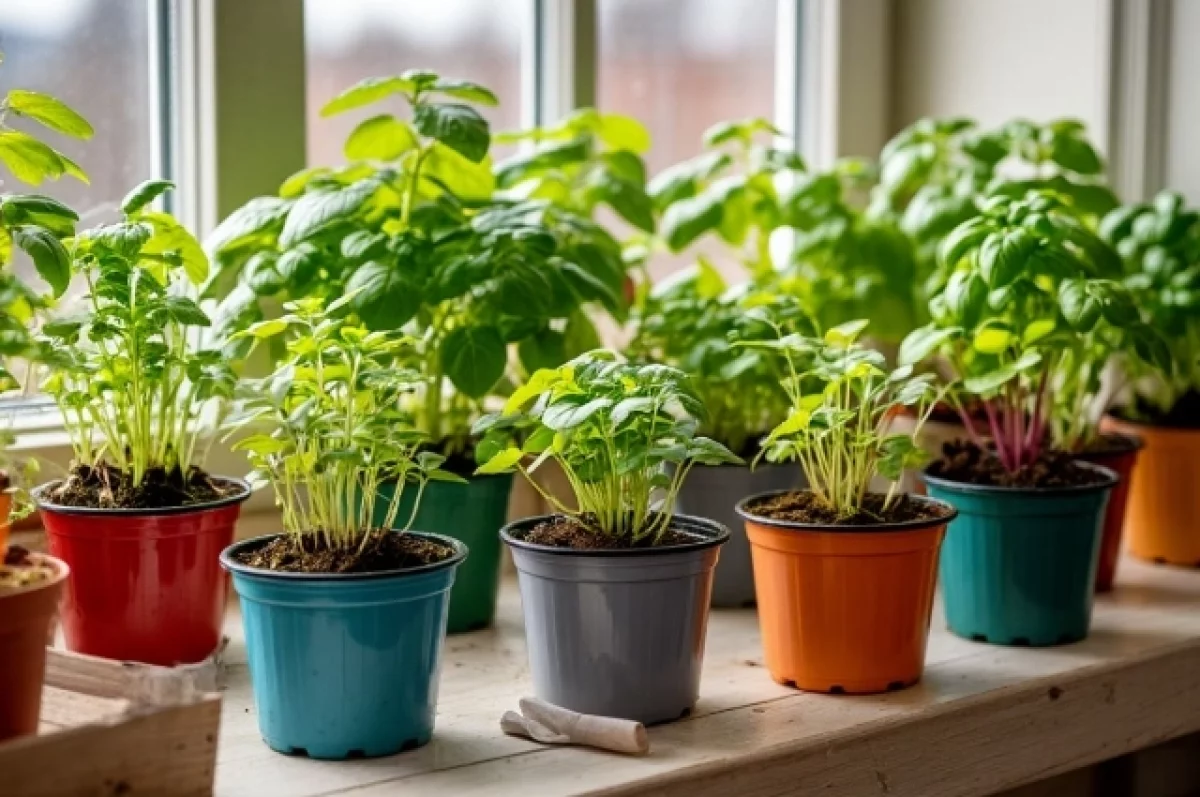
If space is limited you can use containers or vertical setups for Organic gardening. For example balconies and rooftops work well for compact gardens.
Best Soil for Kitchen Gardening
Healthy soil is the foundation of a productive Indoor garden. Plants need nutrients- well-draining soil.
A good mix includes garden soil, compost and organic matter for Home gardening. In addition, compost improves soil fertility naturally. Therefore avoid using sand or hard clay soil.
Furthermore, regularly feeding the soil is important for Organic gardening. You can add compost every 2–3 weeks to maintain nutrients.
This helps you learn about climate zones. You can then pick the right crops for Indoor gardening in your area.
Best Plants for Beginners in Home Gardening
Beginners should start with fast-growing plants in Home gardening. This reduces failure. Builds confidence.
Some good options include:
* Tomatoes
* Spinach
* Mint
* Coriander
* Green chili
* Lettuce
In addition, herbs grow faster and require less care in Indoor gardening. They are ideal for Home gardens.
Above all, avoid crops at the start of Home gardening.
Kitchen Gardening Layout Ideas

A good layout improves space use and plant growth in your garden.
Choose from the following options:
* Container gardening for balconies
* Raised beds for backyards
When you put plants together based on the water and sunlight they need it makes taking care of your kitchen garden a lot easier. At the time you have to make sure you do not put too many plants close to each other.
Organic gardening is more fun when plants get space to grow. As a result, Indoor gardening plants grow stronger. Give you more food to eat.
Establishing a Watering and Care Routine, for Kitchen Gardening
Watering is one of the important parts of Indoor gardening. Most plants need watering in Indoor gardening. However, overwatering can damage roots. Therefore always check the soil moisture before you water your plants.
Watering in the morning is the time because it helps to reduce evaporation. Also try to avoid watering at night because it can lead to fungus growth.
Above all consistency is more important than quantity in Organic gardening.
Common Mistakes Beginners Make in Kitchen Gardening
Many beginners fail due to mistakes in kitchen gardening.
First they overwater plants. Next they choose the location. In addition they plant many crops in a small space.
Moreover they ignore soil quality. Therefore plants do not get nutrients.
Finally, lack of patience is an issue in kitchen gardening. Plants take time to grow. Consistency is key.
Seasonal Planting Guide for Kitchen Gardening
Season plays a role in Home gardening success with Organic gardening.
For example leafy greens grow well in months. On the other hand , tomatoes and peppers prefer warmer conditions.
Therefore always match plants with the season in Organic gardening. As a result, growth becomes faster and healthier.
Meanwhile, rotating crops improves soil quality over time with Organic gardening.
Pest Control in Kitchen Gardening
Pests can damage plants if not controlled early in kitchen gardening.
Common pests include aphids, whiteflies and caterpillars. However chemical sprays are not always necessary.
Instead natural methods work well for Organic gardening. For example neem oil is an option. In addition, companion planting helps reduce pests naturally.
Above all regular monitoring prevents damage in Home gardening.
Maintenance Tips for Healthy Growth in Kitchen Gardening
Regular care keeps your garden productive with Home gardening.
First remove weeds weekly. Next prune dead leaves. In addition, add compost every week.
Moreover, check plants for signs of disease. Therefore small issues do not become problems.
Consistency is the key to long-term success in gardening.
Harvesting Tips for Kitchen Gardening

Harvesting at the time improves taste and yield in kitchen gardening.
For example leafy vegetables should be picked when young and tender. On the other hand fruits like tomatoes should be fully colored before picking.
Meanwhile regular harvesting encourages growth. Therefore plants keep producing
Above all use tools to avoid plant damage in gardening.
Quick Kitchen Gardening Checklist
- Task Frequency
- Watering: Daily or as needed
- Weeding: Weekly
- Fertilizing: Every 2–3 weeks
- Pest Check: Twice a week
FAQs
1. What is the easiest vegetable to grow in a kitchen garden with kitchen gardening?
Leafy greens, such as spinach and lettuce, are the easiest to grow. They grow quickly and require simple care in kitchen gardening.
2. Can kitchen gardening be done in spaces with kitchen gardening?
Yes, containers and vertical gardening make it possible on balconies with Home gardening.
3. How often should I water kitchen garden plants with kitchen gardening?
Most plants need watering a day or when the soil feels dry with Home gardening.
4. Do I need tools to start with kitchen gardening?
No basic tools like a pot, soil and seeds are enough for beginners with kitchen gardening.
Conclusion
Kitchen gardening is a way to have fresh food at home with kitchen gardening. You can make it work in a tiny space if you plan it out and take care of it regularly.
A lot of people who do Home gardening see that when they stick to a routine things get better fast. So it is really important to be patient and do things consistently. It is not about having tools or spending a lot of money.
Just start with something and keep doing it and over time your kitchen garden will do really well.