Introduction

A magnolia tree can turn a garden into a beautiful spring display. Its large flowers are easy to notice. Many magnolias bloom before their leaves appear.
But growing a magnolia tree in Canada needs some planning. Canada has many climate zones, from mild coastal areas to very cold regions.
The right magnolia variety is important. So are sunlight, soil, planting location, and winter protection.
In this guide, you will learn how to choose, plant, and care for a magnolia tree in Canada.
Can Magnolia Trees Grow in Canada?
Yes, some magnolia trees can grow well in Canada.
The key is to choose a variety that matches your local climate. Natural Resources Canada’s Plant Hardiness Site lists several magnolia species with Canadian hardiness records. For example, Star Magnolia (Magnolia stellata) has a Canadian observed zone range of 6a to 7b. Cucumber Magnolia (Magnolia acuminata) also has a Canadian observed range of 6a to 7b.
Other magnolias can have different ranges. Natural Resources Canada lists Magnolia liliiflora with observations ranging from 4b to 8b. This shows why you should check the exact species or cultivar before planting.
Your local hardiness zone is only one factor. Wind, frost, soil, moisture, and the location of your garden also matter.
What Is a Magnolia Tree?

Magnolia is a large group of flowering trees and shrubs.
Magnolias are known for their large and often fragrant flowers. Depending on the species, flowers can be white, pink, purple, cream, or yellow.
Some magnolias are deciduous. Others can keep their leaves in warmer climates.
The flowers often appear in spring. At the Royal Botanical Gardens in Ontario, magnolias reach peak interest around late April and early May, although bloom timing can change with the weather and the type of magnolia.
After flowering, some magnolias produce cone-like fruit. Their large leaves can also add interest during the growing season.
Magnolia Tree Varieties for Canadian Gardens
Not every magnolia is suited to every part of Canada.
Before buying a tree, check its mature size and cold tolerance. Also consider when it blooms.
Here are several magnolia types worth knowing.
Star Magnolia
Magnolia stellata is a popular magnolia with white flowers.
It usually has a smaller form than many large magnolia trees. This can make it useful for residential gardens with limited space.
Natural Resources Canada records Star Magnolia in Canadian zones 6a to 7b.
Its early flowers can still be affected by spring frost. A sheltered planting site can help reduce exposure.
Saucer Magnolia
Magnolia × soulangeana is commonly called Saucer Magnolia.
It is known for large flowers in shades of pink, purple, and white.
Natural Resources Canada records Saucer Magnolia in Canada from zones 6a to 7b.
This variety can make an impressive specimen tree. However, spring frost can damage early flowers.
Cucumber Magnolia
Magnolia acuminata is also called Cucumber Tree or Cucumber Magnolia.
It is especially interesting for Canadian gardeners because it is native to eastern North America. Natural Resources Canada records it in Canadian zones 6a to 7b.
It can become a large tree. Give it plenty of room before planting.
Lily Magnolia
Magnolia liliiflora has been recorded across a wider Canadian hardiness range, from 4b to 8b, according to Natural Resources Canada.
It is known for tulip-like flowers. Cultivar performance can still vary, so check the plant label before buying.
Other Magnolia Cultivars
There are many named magnolia cultivars available.
The Royal Botanical Gardens in Ontario grows cultivars such as ‘Elizabeth’, ‘Galaxy’, ‘Leonard Messel’, ‘Merrill’, and ‘Wada’s Memory’.
Local garden centres can also carry cultivars suited to your area.
Is There a Magnolia Tree Native to Canada?
Yes, Cucumber Magnolia (Magnolia acuminata) is an important native magnolia for Canadian gardeners.
It is especially associated with eastern North America.
However, native does not automatically mean it will thrive everywhere in Canada. Local climate and growing conditions still matter.
Before planting, check the tree’s expected size and local suitability.
How to Choose a Magnolia Tree in Canada
Choosing the right tree starts with your garden.
First, check your local hardiness zone.
Next, check the mature height and width of the magnolia. A small nursery plant can become a large tree.
Also consider:
- Sun exposure
- Soil drainage
- Wind
- Available root space
- Nearby buildings
- Overhead wires
- Winter conditions
- Spring frost risk
Royal Botanical Gardens recommends considering hardiness zone, mature crown and root space, soil, drainage, sun, wind, water, and nearby structures when choosing a tree.
This simple planning step can prevent many problems later.
Where Should You Plant a Magnolia Tree?
Most magnolias grow best in a sunny or partly shaded location.
Royal Botanical Gardens recommends full sun or partial shade for magnolias. It also notes that organically rich, moist, well-drained soil is suitable for many magnolias.
Choose a site with enough space for the mature tree.
Avoid planting a large magnolia directly beside your house. Also check for underground and overhead utilities before digging.
A sheltered location can be helpful in colder or windy areas.
How Much Sun Does a Magnolia Tree Need?
Most magnolias prefer plenty of sunlight.
A location with full sun can support strong growth and flowering.
Partial shade can also work for many magnolias.
Too much shade may reduce flowering. Before planting, look at how much direct sunlight your garden receives during the day.
What Soil Does a Magnolia Tree Need?

Magnolias generally prefer soil that holds moisture but drains well.
Avoid soil that stays wet for long periods.
Good soil should provide both moisture and oxygen around the roots.
Adding organic matter can improve soil structure in some gardens. However, avoid creating a small pocket of very different soil around the root ball.
Before planting, check the drainage of the site.
When Should You Plant a Magnolia Tree in Canada?
The best planting time depends on your local climate.
Spring can be a good choice after the ground has thawed and soil conditions are suitable.
Fall planting can also work in areas where the tree has enough time to establish roots before severe winter weather.
Avoid planting when the soil is frozen, waterlogged, or extremely dry.
Your local nursery can also help you choose the right planting window for your region.
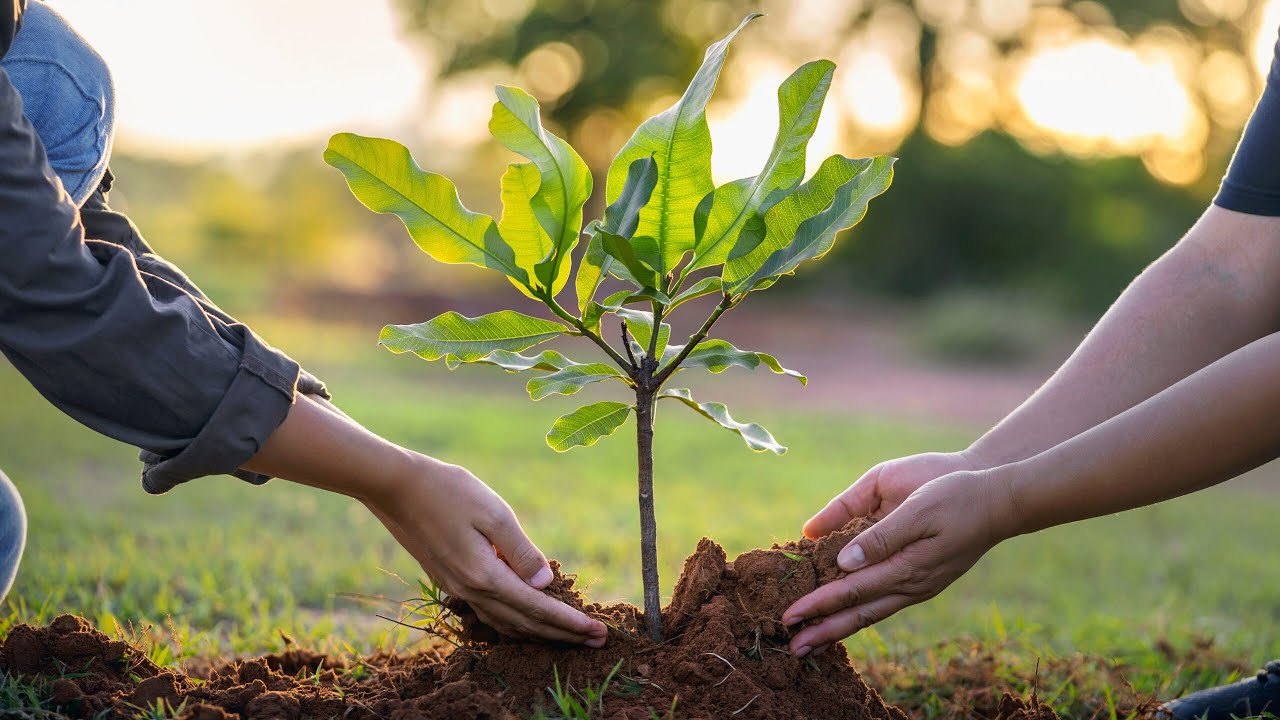
How to Plant a Magnolia Tree
Follow these basic steps when planting a magnolia.
1. Choose the Right Location
Select a site with suitable sunlight, drainage, and enough space.
2. Dig a Wide Hole
The hole should be wider than the root ball.
Royal Botanical Gardens recommends a hole about two to three times the width of the root ball. The depth should not be greater than the root system or the appropriate root flare level.
3. Check the Root Flare
The root flare should sit at the correct soil level.
Do not bury the trunk too deeply.
4. Place the Tree
Set the tree upright in the hole.
Make sure it is positioned at the correct depth before filling the hole.
5. Backfill the Hole
Use suitable soil to fill around the roots.
Do not pack the soil too tightly.
6. Water Thoroughly
Water the tree after planting.
This helps settle the soil around the roots.
7. Add Mulch
A layer of mulch can help conserve soil moisture.
Keep mulch away from direct contact with the trunk.
How to Water a Magnolia Tree
Young magnolia trees need regular watering while they establish.
Water deeply rather than giving the tree a small amount every day.
The exact amount depends on soil, weather, tree size, and local conditions.
Check the soil before watering.
During hot and dry weather, a young tree may need more attention.
Established trees can become more tolerant once their root systems develop, but long periods of drought can still cause stress.
How to Fertilize a Magnolia Tree
Magnolias do not always need heavy fertilization.
Start with healthy soil and good growing conditions.
If your tree shows poor growth or nutrient symptoms, test the soil before adding fertilizer.
Adding fertilizer without knowing what the soil needs can create new problems.
For young trees, good watering and proper planting are often more important than heavy feeding.
How to Prune a Magnolia Tree
Magnolias usually need only light pruning.
Remove:
- Dead branches
- Broken branches
- Diseased branches
- Crossing branches
- Unwanted growth
Avoid heavy pruning unless there is a clear reason.
It is better to plan the tree’s location and mature size before planting than to depend on pruning to keep a large tree small.
How to Protect a Magnolia Tree in Winter
Winter care depends on the species and your local climate.
Young trees need extra attention.
You can help protect a young magnolia by:
- Choosing a sheltered planting site
- Applying a suitable layer of mulch
- Keeping the root area from drying out before winter
- Protecting young trees from harsh wind
- Avoiding unnecessary root disturbance
Do not wrap a healthy tree tightly for long periods unless the method is appropriate for your climate and tree.
The best winter protection often starts before planting. Choose a cultivar that fits your local conditions.
Why Do Magnolia Flowers Turn Brown?

Brown magnolia flowers are often linked to frost damage.
Magnolias can flower early in spring. A late cold snap can damage open flowers and flower buds.
Royal Botanical Gardens notes that severe frost can damage magnolia flower buds.
This can be frustrating, but it does not always mean the tree is unhealthy.
If the leaves and branches remain healthy, the tree may recover and flower normally in a future season.
Why Is My Magnolia Tree Not Blooming?
There are several possible reasons.
The Tree Is Too Young
Some trees need several years before they flower well.
Not Enough Sun
Low light can reduce flowering.
Frost Damage
Cold weather can kill flower buds before they open.
Incorrect Pruning
Heavy or poorly timed pruning can remove future flowering wood.
Environmental Stress
Drought, poor drainage, root damage, or other stress can affect flowering.
Check the growing conditions before adding fertilizer or making major changes.
How Fast Does a Magnolia Tree Grow?
Growth rate varies by species and cultivar.
Some magnolias grow faster than others.
Growing conditions also matter.
A tree with enough sunlight, suitable soil, adequate moisture, and enough root space is more likely to grow well.
Do not choose a magnolia based only on its growth speed.
Think about its mature size too.
How Big Does a Magnolia Tree Get?

Magnolia size varies greatly.
Some types stay relatively compact. Others can become large landscape trees.
Before planting, check the mature height and width of your exact species or cultivar.
This is especially important in small Canadian yards.
A tree that looks small at a garden centre may need much more space as it matures.
Do Magnolia Trees Have Invasive Roots?
Magnolia roots are not generally described as an invasive root system in the same way as some highly aggressive plants.
However, roots still need space.
Do not plant a large magnolia in a tiny planting area.
Give the roots enough room to develop. Avoid unnecessary soil compaction around the tree.
Good planning is easier than fixing a poor planting location later.
Common Magnolia Tree Problems
Magnolias are generally valued for their flowers and form, but problems can occur.
Frost-Damaged Flowers
Late spring frost can turn flowers brown.
Yellow Leaves
Yellow leaves can have several causes. Check watering, drainage, soil conditions, and other signs of stress.
Leaf Drop
Transplant stress, drought, environmental changes, or seasonal factors can contribute to leaf drop.
Poor Flowering
Look at sunlight, tree age, frost, pruning, and general plant health.
Winter Damage
Young or poorly placed trees may suffer from harsh wind and cold.
If a problem continues, identify the cause before applying a treatment.
Magnolia Tree vs. Cherry Blossom
Magnolia and cherry trees can both create beautiful spring displays.
Magnolia flowers are often large and cup-shaped. Cherry blossoms are usually smaller and can appear in clusters.
Magnolias also come in many flower colours and forms.
If you want a large, bold spring flower, a magnolia can be an excellent landscape choice.
Magnolia Tree Care Checklist
Use this simple checklist to keep your magnolia healthy.
- Choose a suitable variety.
- Check your local hardiness zone.
- Plant in suitable sunlight.
- Use well-drained soil.
- Give the tree enough space.
- Water young trees regularly.
- Mulch the root area.
- Avoid heavy pruning.
- Watch for late spring frost.
- Protect young trees from harsh winter conditions.
- Check the tree regularly for signs of stress.
Frequently Asked Questions About Magnolia Trees
Can magnolia trees grow in Canada?
Yes. Several magnolia species can grow in parts of Canada. The right choice depends on the species, cultivar, local hardiness zone, and growing conditions. Natural Resources Canada provides Canadian hardiness information for several Magnolia species.
What is the most cold-hardy magnolia tree?
There is no single answer for every Canadian garden. Hardiness varies by species and cultivar. Check Canadian hardiness data and the specific plant label before buying.
Is there a magnolia tree native to Canada?
Cucumber Magnolia, or Magnolia acuminata, is an important native magnolia found in eastern North America and is recorded by Natural Resources Canada in Canadian hardiness zones 6a to 7b.
When should I plant a magnolia tree in Canada?
Spring and fall can both work, depending on your local climate and soil conditions. Avoid planting in frozen or waterlogged soil.
How much sun does a magnolia tree need?
Many magnolias perform well in full sun or partial shade. Royal Botanical Gardens recommends full sun or partial shade for magnolias.
How often should I water a magnolia tree?
Young trees need regular watering while they establish. Water deeply and adjust your schedule based on rainfall, soil, temperature, and tree age.
Why is my magnolia not flowering?
A young tree, low sunlight, frost damage, pruning, or plant stress can reduce flowering.
Can a magnolia tree survive a Canadian winter?
Some magnolias can survive Canadian winters in suitable regions. The key is choosing a variety that matches your local conditions.
Do magnolia trees need pruning?
Usually, only light pruning is needed. Remove dead, broken, diseased, or unwanted branches when necessary.
How long do magnolia trees bloom?
Bloom time varies by species, cultivar, and local weather. In Ontario, the Royal Botanical Gardens reports peak magnolia interest around late April and early May.
Final Thoughts
A magnolia tree can be a beautiful addition to a Canadian garden.
The most important step is choosing the right variety for your area. Check its hardiness, mature size, sunlight needs, and bloom time before planting.
Give your magnolia good soil, enough space, regular water while it establishes, and protection from harsh conditions.
Remember that Canadian climates vary widely. A magnolia that performs well in one region may not be the right choice for another.
For the best results, use local hardiness information and choose a cultivar that matches your garden.
With the right location and care, a magnolia can reward you with beautiful spring flowers for many years.
GardenVibe is dedicated to helping gardeners understand plants and create healthier, more enjoyable gardens. Use this guide as a starting point, and always check local growing conditions before choosing a tree.