Introduction
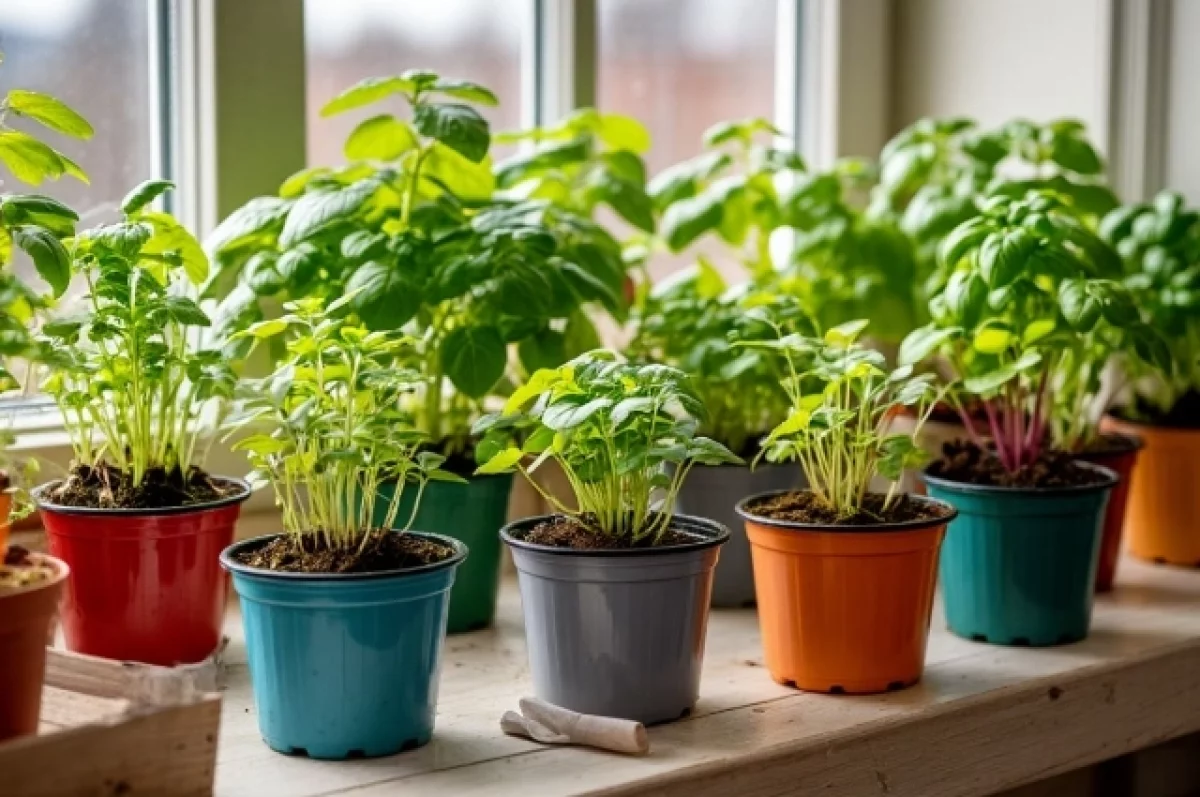
Microgreens are a way to grow food at home. You can grow microgreens in your backyard on your balcony. Even on a windowsill, in your kitchen. Young greens are really easy to grow. They are ready to eat in a week.
Microgreens are greens that are picked a few weeks after they start growing. They are full of stuff like vitamins and minerals. Young greens are perfect for people who are just starting to grow their food. They are also great for people who have been growing food for a long time.
One of the things about Mini greens is that they do not take up a lot of space. They also do not need a lot of equipment to grow. Young greens grow fast. They add a lot of color to meals. They are also really good for you because they are full of vitamins, minerals and antioxidants.
Featured Snippet
A lot of people like to grow Mini greens because they’re cheap and good for the earth. You can grow Microgreens all year round. They are ready to eat in as little as 7 to 21 days. This guide will tell you everything you need to know about Microgreens, including how to grow them, what kinds of Microgreen are popular and how to take care of them.
What Are Microgreens?

Mini greens are greens that are picked when they are still really small. They are bigger than sprouts but smaller than baby greens. Microgreen have a lot of flavor and a nice texture. You can grow Microgreens from lots of kinds of plants like broccoli, radish, kale and peas.
Because Microgreens are picked when they are still really small they grow fast and do not need a lot of space. They are really pretty. They taste great so people like to use them in salads, sandwiches and other dishes.
Many gardeners like to grow Mini greens because they’re easy to grow even in the winter.
Benefits of Growing Microgreens
Growing Mini greens is an idea for people who like to grow their food and eat healthy.
Microgreens are full of stuff like vitamins and minerals.
You can pick Young greens in a week, which is a lot faster than waiting for other plants to grow.
You can grow Microgreen all year round no matter what the weather is like outside.
Microgreens do not take up a lot of space so you can grow them even if you live in an apartment.
Growing Young greens is cheap and good for the earth.
Microgreens taste great. Can add a lot of flavor to meals.
Popular Types of Microgreens

There are lots of kinds of plants that you can grow as Young greens. Each kind of Microgreen has its taste and look.
Broccoli Microgreens are mild and good for you.
Radish Microgreens are spicy. Have leaves.
Pea Shoots are sweet and crunchy.
Sunflower Microgreens are nutty and delicious.
Kale Microgreens are mild and good in sandwiches and smoothies.
Mustard Microgreen are spicy and great in salads.
Basil Microgreens are tasty and smell great.
Time to Young greens
You can grow Young greens at any time of year.
If you are growing Young greens inside you can control the temperature and light which makes it easy to grow them all year round.
If you are growing Microgreen outside the spring and fall are usually the times because the weather is mild.
How to Grow Microgreens

Growing Microgreens is easy.
First you need to choose a tray to grow them in.
Then you need to add some soil that’s special for growing seeds.
Next you need to plant the seeds in the soil.
After that you need to water the seeds and give them some light.
You should keep the soil moist. Make sure the Microgreen get light.
Soil for Microgreens
You need to use soil to grow Microgreens.
The soil should be light and drain well.
It should also be able to hold onto water and have some food for the plants.
You should not use soil from your garden because it can be too heavy and have weeds in it.
Light Requirements for Microgreens
Young greens need a lot of light to grow.
You should give them 6-8 hours of light per day.
You can grow lights. Put them in a sunny window.
Watering Guide for Microgreens

Watering is one of the most important aspects of growing healthy Microgreens.
Keep the growing medium moist but never waterlogged. Bottom watering works well because it encourages strong root development while reducing the risk of mold on the leaves.
Check moisture daily during warm indoor conditions. Overwatering can lead to problems while underwatering may slow growth and reduce harvest quality.
Temperature and Humidity
Microgreens grow best in an indoor environment where temperatures remain between 65°F and 75°F (18°C–24°C). This temperature range supports germination and healthy seedling growth.
Good air circulation is equally important. Proper airflow reduces moisture and helps prevent mold and fungal diseases. If you grow them indoors a small fan on a setting can improve ventilation without drying out the growing medium.
Maintain humidity and avoid placing trays in damp or poorly ventilated areas.
Common Growing Mistakes
Although Microgreens are easy to grow, a few mistakes can reduce your harvest.
Overwatering
Much water creates soggy conditions that encourage mold and root problems. Keep the growing moist, not soaked.
Poor Lighting
Insufficient light causes seedlings to become tall and weak. Place trays under grow lights or near a window.
Crowded Airflow
Sowing seeds densely is normal. Poor air circulation can increase the risk of fungal growth. Maintain ventilation around the trays.
Harvesting Late
Older seedlings become tougher and lose some of their tender texture. Harvest them shortly after the first true leaves appear.
Using Low-Quality Seeds
purchase seeds intended for growing Young greens. High-quality seeds improve germination rates. Produce healthier crops.
Pest and Disease Prevention
Indoor-grown Young greens rarely experience pest problems but prevention is still important.
Keep trays, tools and growing containers clean before each planting. Use a growing medium and avoid reusing contaminated soil. Water carefully to prevent standing moisture and provide airflow around the seedlings.
If mold appears, remove the seedlings immediately and improve ventilation before planting another batch.
How to Harvest
Harvest Microgreen when they are 2–4 inches tall and have developed their first true leaves. Most varieties are ready within 7–21 days depending on the crop and growing conditions.
Use scissors to cut the seedlings just above the soil surface. Avoid pulling them from the growing medium because this can damage the stems and introduce soil into your harvest.
Harvest what you need for immediate use whenever possible. Harvested greens have the best flavor and texture.
How to Store
Fresh Young greens stay longer when stored correctly.
After harvesting gently remove moisture with a paper towel if needed. Place the greens in an airtight container lined with a paper towel and store them in the refrigerator.
Avoid washing them until you’re ready to eat. Excess moisture during storage can reduce freshness. Encourage spoilage.
Harvested greens remain fresh for 5–7 days when refrigerated properly.
Can You Grow Them Without Soil?

Yes. Microgreens can also be grown without soil by using materials such as coconut coir, hemp mats, jute mats or specially designed growing pads.
Hydroponic growing methods provide harvests and are popular among indoor gardeners. However beginners often find a quality seed-starting mix easier to manage because it retains moisture well and supports root development.
Regardless of the growing proper light, moisture and airflow remain the keys to successful production.
Are They Safe to Eat?
Yes. Microgreens are safe to eat when they are grown from untreated seeds and handled using good hygiene practices.
You should wash your hands before you pick the greens. It is an idea to use sanitized trays and tools when you are harvesting. After you harvest the greens you should store them in the refrigerator to keep them fresh.
Buying seeds that are meant for growing greens is also very important. These seeds will help you get greens when you harvest them. Using the seeds for the greens will make a big difference in how healthy they are when you pick them.
Frequently Asked Questions
How long do Microgreens take to grow?
Most Microgreen are ready to eat in 7-21 days.
Do they need sunlight?
No, they can grow in sunlight. With special grow lights.
Can I regrow them after harvesting?
Yes you can regrow Microgreens after you pick them.
No. Most Microgreens varieties are harvested once. After you harvest them you need to sow a tray for the Microgreens crop.
What are the easiest Microgreens varieties for beginners to grow?
Broccoli, radish, sunflower, pea shoots and kale are among the Young greens choices for people who are growing them for the time.
Should I wash my Microgreens before I store them?
It is best to store your Microgreen dry and wash them just before you eat them. This helps to keep your Microgreens fresh for a time.
Can I grow Microgreens all year round?
Yes. Since Microgreen are grown indoors you can produce them throughout the year no matter what the outdoor weather is like.
Conclusion
Growing Microgreens is a way to have healthy Microgreens at home. Microgreens need some space. They grow really fast and they taste great and are good for you. If you are just starting to garden. If you have been gardening for a long time growing Microgreen is a fun project to try.
To grow Young greens you need to use good seeds, give your Microgreen some light, keep the soil wet and harvest your Young greens at the right time. If you do these things you can have Microgreens all year round. You can use trays and some simple things to grow Young greens for salads, sandwiches, smoothies and lots of other meals, in your own home.