Introduction
Wild flowers are really great for making any place look nice and pretty. You do not have to do a lot to take care of flowers. Wild flowers have been around for thousands of years. They have gotten used to the weather and the soil over time. Wild flowers are very good at growing in different kinds of weather and soil because they have had so much time to change and fit in with the weather and soil. This is different from plants that people grow on purpose. They are strong and a great choice for gardeners. They have blooms, make the ecosystem healthier and need less care.
Wildflowers can change your space. You can use them to make a backyard meadow fill borders or help bees and butterflies. This guide is about wildflowers. It explains what their benefits are, how to grow them and the best types to plant in the U.S.
What Are Wild Flowers?
Wildflowers are plants that just come up on their own.
These wildflowers grow in the wild without anyone planting the wildflowers or taking care of the wildflowers. You can find these wildflowers in lots of places like forests and meadows and even on roadsides and mountains and in big open grasslands.
Some people think these plants are weeds with flowers.. They are important in nature. They give food and shelter to pollinators, birds and other wildlife.
Wildflowers grow well in their environment. So they usually need more water, fertilizer and care than regular garden flowers.
Why Grow Wild Flowers?

Planting flowers is more than just having beautiful blooms. They make a garden healthier. Cut down on care time and effort.
Some of the advantages include:
* Attract bees, butterflies and hummingbirds
* Make biodiversity better
* Need less watering
* Reduce soil erosion
* Add beauty throughout the growing season
* Support wildlife
* Need less care than many ornamental flowers
A good wildflower garden can bloom year after year with little care.
Popular Types of Wild Flowers
Many wildflowers bloom in North America. Some types are favorites for home gardeners.
* Black-Eyed Susan: I just love this yellow flower. It blooms in the summer. Attracts butterflies and bees. It does great in the sun. Can handle drought.
* Purple Coneflower: This one is a favorite, for its daisy- blooms that last a long time. In autumn birds come for its seeds.
* California Poppy: The California Poppy has bright orange flowers. It grows quickly. Thrives in dry conditions.
* Bluebonnet: The Bluebonnet is a thing to see in the spring. It creates a pretty display. People in Texas know the Bluebonnet well. The Bluebonnet is a part of Texas.
* Coreopsis: The Coreopsis is a flower because it produces yellow flowers for a long time. The Coreopsis can even grow in soil that’s not very good. This makes the Coreopsis a good choice for people who do not have soil. The Coreopsis is a flower.
* Lupine: The Lupine is a choice for a garden. The Lupine has flower spikes that are very colorful. The Lupine is perfect for a cottage garden or a natural landscape. People love Lupin because it is so pretty. The Lupine is a pick for anyone who wants a beautiful flower.
Best Time to Plant Wild Flowers

Timing is important when growing plants.
Most gardeners sow seeds during:
* Early spring
* Late fall before winter
Spring planting is great for areas. Fall planting lets seeds go through winter conditions before they sprout.
Always consider your climate before planting.
Choosing the Right Location
Wild flowers grow best in conditions.
Look for an area that gets:
* At six hours of sunlight daily
* Good air circulation
* Well-drained soil
* Minimal foot traffic
Most wild flowers do well in spots.
Preparing the Soil

The soil needs to be good so the roots of the flowers can grow strong.
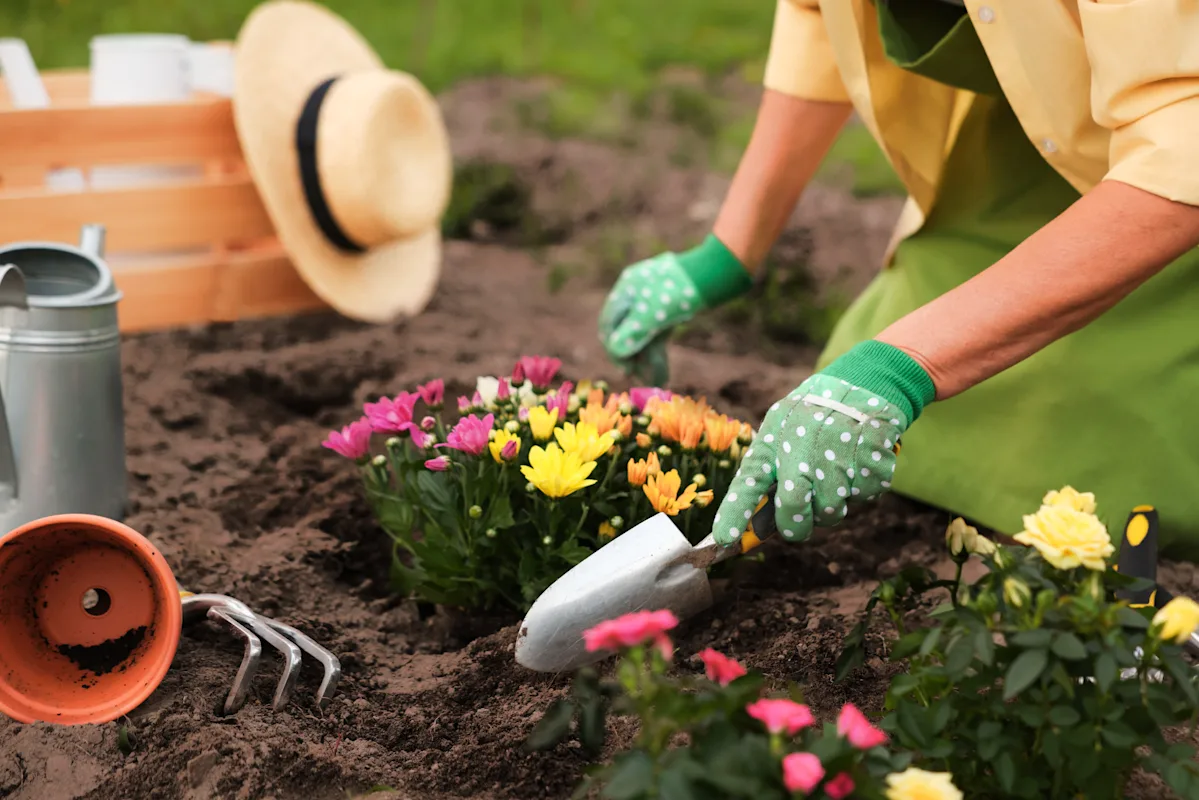
You need to get rid of the weeds and the grass and the big rocks from where you want to plant the flowers.
Then you need to loosen the part of the soil with a rake or a garden fork.
Wild flowers do not need a lot of food to grow. If you give them a lot of food they will just get big and not make many wild flowers.
How to Plant Wild Flower Seeds
It is easy to grow flowers from seeds.
Step 1: Pick seeds that’re good quality and will do well in your area.
Step 2: Mix the flower seeds with some sand. This helps you spread the flower seeds around.
Step 3: Throw the mixture of flower seeds and sand all over the soil.
Step 4: Press the flower seeds into the ground a little bit.
Do not press the flower seeds into the ground too much because a lot of wild flowers need sunlight to start growing.
Step 5: Give the flowers water until they are strong and can take care of themselves.
Watering Tips
planted seeds need consistent moisture.
Most native wildflowers do better in conditions than regular garden plants once they are established.
Watering every day provides a deep soak during long dry periods.
Overwatering may encourage diseases and weak growth.
Do Wild Flowers Need Fertilizer?

In cases the answer is no.
Wild flowers naturally grow in soils.
Adding amounts of fertilizer often produces lush green leaves but fewer blooms.
If your soil is very poor just a light layer of compost before planting is usually enough.
Simple Care Throughout the Season
One reason gardeners love wild flowers is their low-maintenance nature.
Regular care includes:
* Removing weeds
* Watering during extended drought
* Deadheading spent blooms when desired
* Monitoring pests occasionally
Many gardeners leave seed heads in place because birds feed on them in autumn and winter.
Common Problems
Wild flowers are pretty tough. Sometimes they can still have problems.
* Poor Germination: Wild flower seeds may not grow if they are planted deep or if they get too dry.
* Many Weeds: When wild flowers are just starting to grow they can have a time competing with weeds that grow really fast.
* Few Flowers: much fertilizer or excessive shade may reduce flowering.
Wild Flowers vs Garden Flowers
Many gardeners wonder whether wild flowers are better than ornamentals.
* Wild Flowers: Lower maintenance, drought tolerant support wildlife adapted to local climates.
* Garden Flowers: Often require care and need more watering, mostly decorative many are non-native.
Both have their place. Native wild flowers offer significant ecological advantages.
Creating a Wild Flower Meadow
A meadow creates a look while supporting local wildlife.
Begin with an area that has good drainage.
Choose a mix of perennial species to provide blooms from spring through fall.
Avoid mowing during the growing season.
Once established, a yearly cut in fall or early spring is often enough.
Wild Flowers That Attract Pollinators
Pollinators play a role in healthy gardens.
Excellent choices include:
* Bee Balm
* Purple Coneflower
* Milkweed
* Blanket Flower
* Black-Eyed Susan
* Goldenrod
* Aster
These flowers provide nectar and pollen throughout the growing season.
Helpful Tips for Success
improvements often produce better results.
* Buy seeds from trusted suppliers.
* Choose species whenever possible.
* Avoid overwatering.
* Leave seed heads for birds.
* Remove weeds early.
* Plant several species for longer blooming seasons.
* Be patient during the year. Many perennials grow roots before they produce lots of flowers.
Frequently Asked Questions
Are flowers easy to grow?
Yes most species are beginner-friendly and require little maintenance once established.
Can wild flowers grow in soil?
Yes many native varieties thrive in soil that would challenge garden plants.
Do wild flowers come back every year?
Perennial wildflowers come back each year. Annual varieties finish their life cycle in one season. Often reseed naturally.
How often should wild flowers be watered?
Water regularly while seeds germinate. Mature plants usually need watering only during long dry spells.
Can I grow flowers in containers?
Yes compact varieties grow well in pots if they receive sunlight and proper drainage.
Conclusion
Wild flowers are a way to make a garden that is nice for animals and pretty to look at. Wild flowers need a lot more care than the plants we usually use to decorate our gardens. Wild flowers are good at dealing with conditions and they look nice from spring to fall. If you are making a border or a whole meadow with flowers, picking wild flowers that are from around where you live will give you wild flowers that are healthy and a nice outdoor space, with wild flowers.
For the results choose flowers that suit your local climate. Prepare the soil well. Let young plants establish themselves. Following planting guidance, from trusted resources can also help you choose species suited to your region. Your garden will grow into a home for both your landscape and local pollinators.