Introduction

A fig is a sweet fruit that you can grow in your own backyard or garden. Fig trees have large green leaves and produce soft, tasty fruit. They can also grow in pots, making them a good choice for small spaces.
Growing figs at home is easier when you choose the right plant and give it proper care. Sunlight, soil, water, and winter weather all affect how well your tree grows. Some types handle cold better than others, so your local climate matters.
This guide explains how to plant a fig tree, choose a good variety, and care for it through the year. You will also learn how to grow figs in pots, protect trees from cold weather, and know when the fruit is ready to pick.
What Is a Fig?
A fig is the fruit of the common fig tree, known by its scientific name, Ficus carica. This plant grows as a small tree or a large shrub. Gardeners can also keep it smaller through pruning or grow it in a large pot.
Fig fruit can have green, brown, purple, or dark skin. Inside, the flesh is soft and sweet, with many tiny seeds. Fresh figs taste good on their own, while dried figs work well in snacks, baked foods, and other dishes.
A fig tree also adds beauty to a garden. Its large leaves provide a tropical look during the growing season. With the right care, one tree can produce fruit for many years.
The fruit has an unusual structure. Its flowers grow inside the part that later becomes the fig. This is why you do not see normal flowers on the outside.
Many common garden fig varieties can produce fruit without another tree for pollination. This makes them useful for home gardens, even when space is limited.
Can You Grow Figs in the United States?
Yes, figs can grow in many parts of the United States. However, the best way to grow them depends on your local weather and the variety you choose.
Gardeners in warm states often have an easier time growing figs outdoors. These areas may include parts of California, Texas, Georgia, and other southern states. Mild winters can help trees keep more of their branches alive.
Cold regions need more care. Long periods of freezing weather can damage branches or kill parts of a fig tree. Gardeners in places such as Illinois and Maryland may need winter protection or a cold-tolerant variety.
Growing figs in pots is another useful option. You can move a potted tree to a protected place during winter. A cool garage or another sheltered space may work when the tree is dormant.
Before buying a fig tree, check advice from your local university extension service. It can help you choose a variety that suits your area. Do not assume that every fig variety will grow well in every state.
Best Fig Varieties for Home Gardens
Choosing the right fig variety is an important first step. Some types suit warm areas, while others may be better choices for colder regions.
Brown Turkey
Brown Turkey is a popular fig variety for home gardens. Its fruit often has brownish-purple skin and sweet amber or pink flesh.
This variety can produce a useful crop in suitable growing conditions. It may also grow back from the roots after severe cold damages the upper branches.
Brown Turkey can be grown in the ground or in a large pot. However, its size and fruit production depend on the local climate and how you care for it.
Chicago Hardy
Chicago Hardy is known for its ability to handle colder conditions better than many other figs. It is often considered by gardeners in areas with cold winters.
The fruit has dark skin and sweet flesh. The tree may also grow back from its roots after winter damage, although new growth may not produce ripe fruit that same year.
This variety can be useful for backyard gardens and containers. Even so, cold protection may still be needed in very harsh winters.
Celeste
Celeste produces small to medium figs with light brown to violet-brown skin. The flesh is sweet and often has a rich flavor.
It is a variety worth considering for many southern gardens. It can also suit some areas with cooler winters when planted in a protected location.
Celeste may drop fruit in very hot weather. Local growing advice can help you decide whether it is a good choice for your garden.
Black Mission
Black Mission figs have dark purple to nearly black skin when ripe. Their soft flesh works well for fresh eating, drying, and cooking.
This variety is often grown in warm regions where the growing season is long enough for the fruit to ripen. It may be less suitable for areas with severe winters unless you can protect it.
Check your local climate before choosing Black Mission. A variety that performs well in one region may not produce the same results elsewhere.
LSU Purple
LSU Purple is another variety that home gardeners may find at nurseries. It produces medium-sized fruit with purple skin and reddish flesh.
It is often considered for gardens in warmer parts of the country, including suitable southern growing areas. Its performance still depends on local weather, soil, and care.
Ask a trusted nursery or extension office whether LSU Purple is a good fit for your area. This is especially helpful if you live where winters are cold.
Tip: Do not choose a fig tree based on fruit color alone. Compare cold tolerance, harvest time, plant size, and local growing advice before buying.
How to Plant a Fig Tree
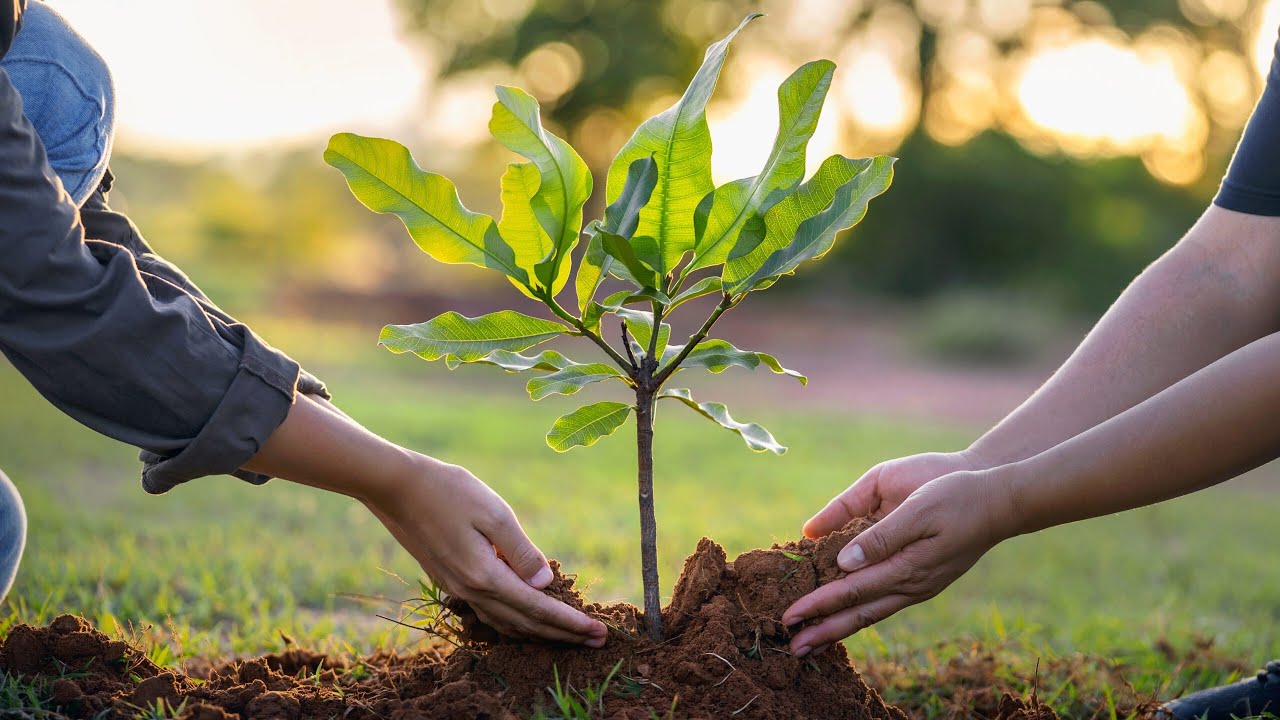
Planting your fig tree in the right place gives it a strong start. Follow these simple steps to prepare your garden.
Step 1: Choose a Sunny Spot
Find a place that receives plenty of direct sunlight. A sunny spot can help the tree grow well and produce ripe fruit.
A sheltered location near a wall may help in colder areas. Leave enough room for the tree to grow without blocking paths or crowding other plants.
Step 2: Check Your Soil
Fig trees can grow in many soil types, but good drainage is important. Soil should hold some moisture without staying wet for long periods.
Avoid low spots where rainwater collects. Wet soil can harm roots and make the tree weaker.
Step 3: Choose a Healthy Plant
You can buy a young fig tree in a pot or as a bare-root plant. A potted tree comes with soil around its roots. A bare-root tree is sold without soil and is often planted while dormant.
Look for healthy stems and roots. Buy from a trusted nursery that can tell you the variety and its growing needs.
Step 4: Dig the Planting Hole
Dig a hole wide enough to hold the roots without bending them. For a potted plant, make the hole wider than the root ball.
The depth should suit the plant’s roots and the nursery’s planting advice. Avoid digging much deeper than needed.
Step 5: Place the Tree
Remove the tree from its pot with care. Loosen any tightly circling roots without breaking them apart too roughly.
Set the tree at the correct depth for its root system. Follow local extension advice if you are unsure about planting depth.
Step 6: Fill the Hole and Water
Fill the hole with the soil you removed. Press it gently around the roots so the tree stands firmly.
Water well after planting to help the soil settle. Do not pack the soil down too hard.
Step 7: Add Mulch
Spread a layer of mulch over the soil around the tree. Keep the mulch away from the trunk.
Mulch helps hold moisture and can reduce weeds. It may also help protect roots from changes in soil temperature.
How Much Sunlight Does a Fig Tree Need?
Fig trees grow and fruit best in a sunny place. A useful goal is at least eight hours of direct sunlight during the growing season.
A sunny backyard, open garden bed, or bright patio can work well. If your tree receives too much shade, it may grow leaves but produce little fruit.
In very hot areas, watch the plant during long dry spells. Strong heat can increase the need for water, especially for young trees and potted plants.
A sheltered spot can also help protect a tree from cold winds. In colder areas, a location near a south-facing wall may offer extra warmth.
Check the sunlight at different times of day before planting. A spot that looks sunny in the morning may be shaded by a building later.
Best Soil for Growing Figs
Fig trees need soil that drains well. Their roots need air as well as water, so soil that stays wet can cause problems.
A mix of garden soil and useful organic matter may help improve soil structure. However, you do not need to add large amounts of compost or fertilizer to every planting hole.
A soil test can show the soil’s pH and nutrient levels. This helps you decide whether any changes are needed before planting.
Avoid adding lime, fertilizer, or other products without a clear reason. The right treatment depends on your soil and the needs of your plant.
For potted figs, use a suitable potting mix rather than heavy garden soil. The mix should allow extra water to drain through the container.
How Often Should You Water a Fig Tree?
There is no single watering schedule that works for every fig tree. Water needs change with weather, soil, plant size, and growing conditions.
Young trees need regular checks while their roots become established. Water when the soil begins to dry, rather than waiting until the plant looks badly stressed.
Potted figs often need more frequent watering than trees planted in the ground. Pots can dry out quickly during hot, sunny weather.
Use your finger to check the soil a few inches below the surface. If it feels dry, water the plant well and let extra water drain away.
Watch for signs of water stress. Dry soil and drooping leaves may mean the plant needs water. Soil that stays wet for too long may point to poor drainage or too much watering.
During cool weather, water needs usually fall. Reduce watering as growth slows, but do not let a potted tree’s roots dry out completely during winter storage.
How to Fertilize a Fig Tree
Fertilizer can help a fig tree when the soil lacks needed nutrients. However, too much fertilizer can cause problems.
Excess nitrogen may lead to strong leaf growth instead of good fruit production. A tree that grows many large leaves but produces little fruit may not need more fertilizer.
Start by checking the soil if you can. Use a fertilizer suited to the plant and follow the product label.
Potted figs may need more regular feeding because water can wash nutrients out of the mix. Still, the right amount depends on the product, pot size, and plant growth.
Avoid feeding a dormant tree during winter. Begin again when new growth starts, if feeding is needed.
How to Grow Figs in Pots
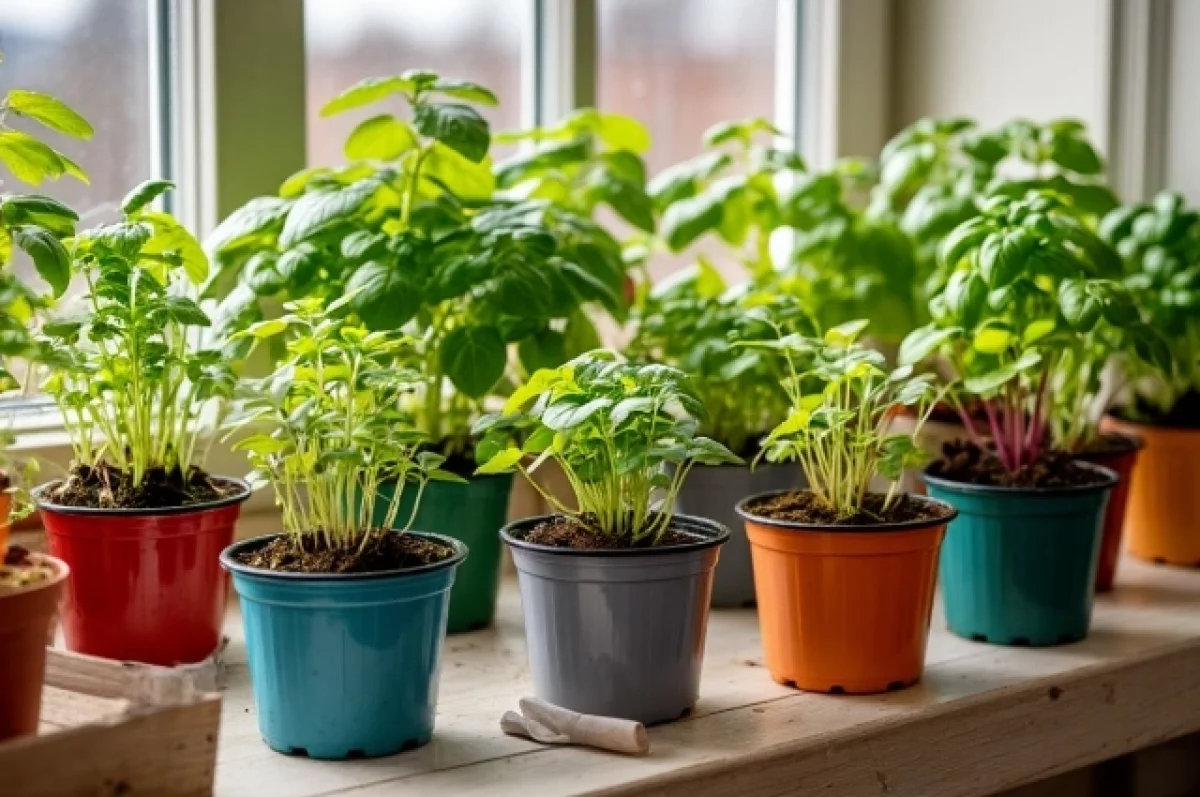
Growing figs in pots is a good choice if you have a small yard, patio, or balcony. It can also help gardeners in cold regions move the tree to a protected place during winter.
Choose a Large Pot
Use a sturdy container with drainage holes. A pot of about 15 gallons is a useful starting point for many fig trees, though a larger pot may be needed as the tree grows.
Remember that a large pot can become heavy. Place it on a wheeled base if you expect to move it often.
Use the Right Potting Mix
Choose a potting mix that drains well but holds some moisture. Do not fill the container with dense garden soil.
Make sure water can escape through the holes at the bottom. A pot that stays wet can harm the roots.
Place the Pot in Full Sun
Put the fig in a sunny location where it receives plenty of direct light. Turn the pot when needed to help the plant grow evenly.
Check Water Often
Potted plants dry out faster than plants in the ground. Check the soil regularly during warm weather and water when needed.
Do not leave the pot standing in a tray full of water. Let extra water drain away.
Plan for Winter
When the tree drops its leaves and becomes dormant, move it to a suitable protected place if your climate requires it. A cool garage or sheltered storage area may work.
Water sparingly during winter. Check the soil now and then so the roots do not dry out fully.
How to Prune a Fig Tree
Pruning means cutting selected branches to manage plant size and shape. It can also help open the tree to sunlight and make harvesting easier.
Start by removing dead, broken, or damaged branches. Use clean, sharp tools and make careful cuts.
Next, look for branches that cross or crowd each other. Removing some of them can improve airflow and help light reach the center.
You can also prune a fig tree to keep it at a height you can manage. This is especially useful for plants growing in pots or small gardens.
Avoid heavy pruning without a clear reason. It may reduce fruit production or remove branches that would have carried fruit.
The best time to prune depends on your climate and the tree’s condition. Local extension advice can help you choose the right time.
Wear gloves when pruning. Fig sap can irritate the skin, especially when it touches sunlight.
How to Protect a Fig Tree in Winter
Cold weather is one of the biggest challenges for fig growers in northern areas. Some varieties handle cold better than others, but no variety is safe from every winter.
Protect the Roots
Spread mulch around the root area before severe cold arrives. Keep it away from the trunk to reduce the risk of damage.
Cover Young Trees
Young trees may need extra protection in cold regions. Gardeners sometimes use suitable covers or wrap branches to reduce winter injury.
Choose a method that fits your local climate. Follow local extension guidance instead of relying on one temperature rule for every variety.
Protect Potted Figs
Potted roots are more exposed to cold than roots in the ground. Move the container to a protected, cool place after the tree becomes dormant.
A garage or other sheltered space may work if it stays cool enough for dormancy and protects the roots from severe freezing.
Check for Winter Damage
Do not remove every damaged-looking branch right away. In spring, check whether the wood is still alive before pruning.
If the tree grows back from its roots, it may recover. However, new shoots may not have enough time to produce ripe fruit that year.
When Are Figs Ready to Harvest?
Figs are ready to pick when they soften and show the color typical of their variety. Many ripe figs also droop slightly from the branch.
Do not rely on color alone. Some varieties stay green when ripe, while others turn brown or purple.
Gently touch the fruit. It should feel soft rather than hard and firm. Handle ripe figs carefully because they can bruise or split.
Pick fruit as it ripens. Birds and other animals may also eat ripe figs, so check the tree often during harvest time.
Unripe figs usually do not ripen well after picking. Wait until the fruit shows signs of maturity whenever possible.
The harvest season varies by region and variety. In many places, the main crop ripens in late summer or fall, but local weather can change the timing.
Why Is My Fig Tree Not Producing Fruit?
A fig tree may grow well but produce little or no ripe fruit. Several factors can cause this problem.
Not Enough Sunlight
Shade can limit fruit production. If possible, move a potted tree to a sunnier place or reduce nearby shade.
The Tree Is Too Young
Some fig trees need a few years to become established before producing a useful crop. Give the plant time to grow while keeping its care steady.
Too Much Fertilizer
Too much nitrogen can lead to leafy growth with little fruit. Stop adding extra fertilizer until you understand what the plant needs.
Water Problems
Very dry soil can stress a tree, while waterlogged soil can harm the roots. Check soil moisture and improve drainage if needed.
Cold Damage
Winter injury can kill branches that would have carried fruit. Protect the tree during winter and choose a variety suited to your region.
The Wrong Variety
Some varieties may not ripen fruit before cold weather arrives in your area. Ask a local nursery or extension office about varieties that suit your growing season.
Common Fig Tree Pests and Diseases
Fig trees often have few serious pest problems, but they can still face some issues. Check the leaves, branches, roots, and fruit when something looks wrong.
Birds and Squirrels
Birds and squirrels may eat ripe figs before you can pick them. Fine garden netting can help protect the crop when used safely.
Check the netting often to avoid trapping wildlife. Remove it when it is no longer needed.
Fig Rust
Fig rust is a disease that affects leaves. You may see reddish-brown spots, yellowing, or leaves that fall early.
Remove fallen infected leaves and keep the area below the tree clean. Ask your local extension office for help if the problem returns or becomes severe.
Scale Insects
Scale insects may look like small bumps on stems or leaves. They can weaken a plant when present in large numbers.
Check the plant closely before using any treatment. Follow local pest guidance and product label directions.
Spider Mites
Spider mites are tiny pests that can cause pale spots or a dusty look on leaves. Fine webbing may appear when an infestation is large.
Check the undersides of leaves. Ask an extension expert to confirm the pest before choosing a treatment.
Root Problems
Poor drainage can damage roots and weaken the whole plant. Some areas may also have root-knot nematodes, which cause swollen areas on roots.
If the tree keeps declining, get help to identify the cause. Do not assume every weak fig tree needs more fertilizer or water.
How to Propagate a Fig Tree
Propagation means growing a new plant from an existing one. You can do this with cuttings, rooted shoots, or a young plant from a nursery.
Growing From Cuttings
A cutting is a piece of stem taken from a healthy plant. Gardeners place it in a suitable growing mix and keep it moist while roots form.
Success depends on the cutting, season, and growing conditions. If you are new to propagation, ask a local extension service for a method suited to your area.
Using Rooted Shoots
Some fig trees produce new shoots near their roots. A shoot with enough roots may be moved to a new location when conditions are suitable.
Take care not to damage the parent plant more than needed. Water the new plant after moving it and watch it closely.
Buying a Young Plant
Buying a healthy young tree is often the easiest choice for beginners. You can choose a known variety and get advice on local growing needs.
Growing From Seed
Growing figs from seed is possible, but the new plant may not produce fruit like the parent. For a known fruit type, a named variety from a trusted nursery is often a better choice.
Common Fig Growing Mistakes
Avoid these common mistakes to give your tree a better chance to thrive.
- Planting in deep shade: Choose a spot with plenty of direct sunlight.
- Using soil that stays wet: Improve drainage or choose a better planting site.
- Watering by the calendar: Check the soil before watering.
- Adding too much fertilizer: Follow soil test results and product directions.
- Choosing the wrong variety: Match the plant to your local climate.
- Ignoring winter care: Protect roots and branches when needed.
- Picking fruit too early: Wait until figs soften and show signs of ripeness.
- Pruning too heavily: Remove only the branches needed to manage health and size.
- Ignoring pests: Check leaves and fruit often so you can spot problems early.
A little regular care can prevent many problems. Check the plant each week during the growing season and respond to changes as they appear.
Frequently Asked Questions About Figs
How long does a fig tree take to produce fruit?
Some fig trees may produce fruit in their second or third year. The timing depends on the variety, plant age, climate, and growing conditions.
How much sun does a fig tree need?
A fig tree generally grows and fruits best with at least eight hours of direct sunlight during the growing season. Too much shade may reduce fruit production.
Can fig trees grow in pots?
Yes. Figs can grow in large pots with good drainage and a suitable potting mix. Container plants need regular moisture checks and winter care in cold regions.
How often should I water a fig tree?
Water when the soil begins to dry, and adjust for weather and plant size. Potted figs often need water more often than trees planted in the ground.
What is the best fig variety for cold climates?
Chicago Hardy is often considered by gardeners in colder areas. Brown Turkey and Celeste may also suit some regions, but check local extension advice before choosing.
When should I plant a fig tree?
Planting time depends on your local climate and whether the tree is bare-root or container-grown. Spring is often a useful choice in areas with cold winters.
How do I know when a fig is ripe?
Ripe figs often soften, droop slightly, and develop the color expected for their variety. Check the fruit itself instead of relying only on a calendar date.
Why is my fig tree growing leaves but no fruit?
Possible causes include too much shade, excess fertilizer, cold damage, or a variety that does not suit your climate. Check these factors before changing your care routine.
Do fig trees lose their leaves in winter?
Yes. Common fig trees are deciduous, which means they usually lose their leaves in fall. This is a normal part of their yearly growth cycle.
Can I grow figs in the northern United States?
Yes, some gardeners in northern states grow figs in pots or use cold-tolerant varieties. Winter protection is often needed, and fruit may not ripen every year.
How do I protect a fig tree from frost?
Protect the roots with mulch and shelter young trees when needed. Potted trees can be moved to a cool, protected place after they become dormant.
Can I grow a fig tree from a cutting?
Yes. Fig trees can be grown from stem cuttings, although success depends on the method and conditions. Buying a young plant may be easier for beginners.
Conclusion
Growing a fig tree at home can be a rewarding way to enjoy fresh fruit. The key is to choose a variety that suits your climate and give it enough sunlight, good drainage, and steady care.
Check the soil before watering, avoid excess fertilizer, and prune only when needed. If you live in a cold region, plan ahead for winter protection. Watch the fruit as it softens and changes color so you can pick it at the right time.
Before planting, check advice from your local university extension service. Choose a healthy tree, give it a suitable spot, and learn what works best in your garden.