Introduction

How to Grow Basil is one of the easiest herbs to grow at home. It grows well in garden beds, pots, and sunny indoor spaces. With the right light, warm soil, water, and regular pruning, you can enjoy fresh basil for much of the growing season.
The key is to give basil the conditions it likes. How to Grow Basil needs warmth, good drainage, and plenty of sunlight. It also needs regular harvesting to stay full and productive.
In this guide, you will learn how to grow basil from seed, how to care for basil, how to grow basil indoors and in pots, how to prune basil, and how to fix common basil problems.
Basil Growing Requirements at a Glance
| Basil Need | Best Condition |
|---|---|
| Sunlight | At least 6 hours of direct sun |
| Soil | Fertile and well-drained |
| Soil pH | About 6.0 to 7.0 |
| Temperature | Warm conditions |
| Water | Keep soil evenly moist |
| Seed depth | About 1/8 inch |
| Harvest | Cut stems above leaf nodes |
| Container | Use a pot with drainage holes |
| Main growing season | Spring through summer |
Basil grows best in full sun and warm conditions. Rutgers Extension lists a preferred soil pH of 6.0 to 7.0 and recommends well-drained soil. Basil can also suffer cold injury when temperatures drop near 40°F.
When Should You Plant Basil?
The best time to plant basil outdoors is after the danger of frost has passed. Basil is a warm-season herb. Cold temperatures can damage young plants.
Your local frost date is more useful than choosing one fixed planting date for the entire United States.
When to Start Basil Seeds Indoors
You can start basil seeds indoors before your outdoor growing season begins. This gives seedlings time to grow before they move outside.
Move young plants outdoors only when the weather is warm enough. Harden them off first by slowly exposing them to outdoor conditions.
Basil Planting in Different U.S. Regions
Planting dates vary across the country.
In warmer southern areas, basil can often be planted earlier. Northern states usually need to wait longer for warm soil and frost-free weather.
For the best timing, check your local last frost date and current weather before planting.
Choose the Right Basil Variety

There are many types of basil. The best one depends on how you plan to use it.
Sweet Basil
Sweet basil is a classic choice for home gardens. It works well in pesto, pasta, salads, and sauces.
Genovese Basil
Genovese basil is popular for Italian cooking. It produces large, flavorful leaves.
Thai Basil
Thai basil has a stronger flavor and is often used in Asian dishes.
Lemon Basil
Lemon basil has a fresh citrus flavor. It can add a bright taste to salads and drinks.
Greek Basil
Greek basil has smaller leaves and a compact growth habit. It can work well in containers.
If disease is a concern, look for varieties with resistance to basil downy mildew. Rutgers researchers have developed several disease-resistant sweet basil varieties.
How to Grow Basil From Seed
Growing basil from seed is simple. You only need good seeds, warm soil, water, light, and patience.
1. Prepare the Soil
Choose a sunny location with well-drained soil.
Remove weeds and large pieces of debris. Mix in mature compost if your soil needs more organic matter.
Avoid areas where water stays around the roots.
Basil prefers a soil pH around 6.0 to 7.0.
2. Plant the Basil Seeds
Basil seeds are small. Plant them shallowly.
A depth of about 1/8 inch is suitable for basil seeds.
Cover the seeds lightly with soil. Do not bury them deeply.
Keep the soil moist while the seeds germinate.
3. Keep the Soil Moist
Water gently after planting.
A strong stream of water can move the seeds or expose them.
Keep the soil evenly moist. However, do not keep it soggy.
Good drainage is important because constantly wet soil can create root problems.
4. Wait for Germination
Basil seeds can germinate quickly when conditions are warm and suitable.
Once seedlings appear, give them plenty of light.
If seedlings become tall and weak, they may not be receiving enough light.
5. Thin the Seedlings
When several seedlings grow close together, thin them.
Crowded basil plants have less airflow. They also compete for water, nutrients, and light.
Leave the strongest plants with enough space to grow.
How to Grow Basil From a Nursery Plant
Buying a young basil plant is the fastest way to start.
Choose a healthy plant with:
- Green leaves
- Strong stems
- No obvious pests
- No yellow or badly damaged leaves
- Healthy new growth
- Moist but not waterlogged soil
Check the underside of the leaves before buying. Look for insects, spots, or fuzzy growth.
Once you bring the plant home, give it a bright location and water it when the soil begins to dry.
How to Grow Basil in Pots

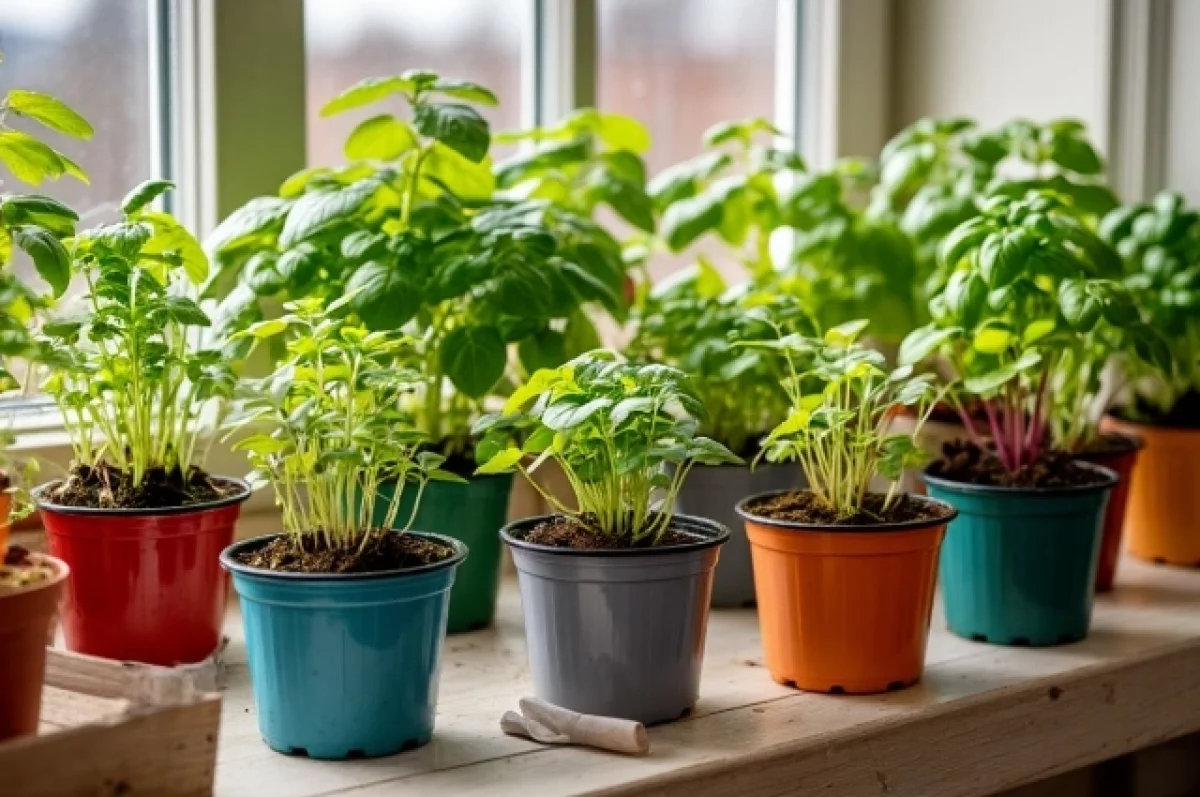
How to Grow Basil very well in containers.
Choose a pot with drainage holes. Without drainage, excess water can collect around the roots.
Use a quality potting mix instead of heavy garden soil.
Place the container where it receives plenty of direct sunlight.
Container basil may dry out faster than basil growing in the ground. Check the soil regularly during hot weather.
Best Pot for Basil
The exact pot size depends on the number of plants and the variety.
The most important feature is good drainage.
A wider container can also make it easier to space several plants properly.
Avoid packing too many basil plants into one small pot.
How to Grow Basil Indoors
You can How to Grow Basil indoors if you provide enough light.
Place the plant near a bright, sunny window.
A south-facing window can work well in many homes. However, indoor light levels vary.
If natural light is weak, a grow light can help.
Indoor basil also needs good airflow. Avoid placing the plant in a dark corner or directly against a cold window.
Water the plant when the soil begins to dry. Do not follow a fixed watering schedule if the soil is still wet.
How Much Sun Does Basil Need?
Basil likes full sun.
Aim for at least six hours of direct sunlight each day. Rutgers’ basil guidance also recommends full sun for strong growth.
More light can help basil produce strong, compact growth.
If your plant becomes tall, thin, and weak, check its light.
Move container plants to a brighter location when needed.
How Often Should You Water Basil?
Basil needs consistent moisture, especially during hot weather.
Water when the top layer of soil starts to dry.
Do not water simply because it is a certain day of the week.
Instead, check the soil.
During very hot periods, basil may need more frequent watering. Rutgers notes that basil can require daily watering during extended hot periods.
Water the soil near the base of the plant. Avoid keeping the leaves wet for long periods.
What Soil Is Best for Basil?

The best soil for basil is fertile and well drained.
Basil does not like standing water.
A good garden soil should allow excess water to move away from the roots.
For containers, use a quality potting mix with good drainage.
Adding compost can improve soil structure and provide organic matter.
Keep the soil around a slightly acidic to neutral pH. Rutgers recommends approximately 6.0 to 7.0 for basil.
How to Fertilize Basil
Basil can grow well in fertile soil.
If your soil is poor, a balanced fertilizer may help.
Do not overfeed the plant.
Too much fertilizer can encourage soft growth and may not improve flavor.
Follow the instructions on the fertilizer label. Your soil condition and growing method should guide your feeding plan.
How to Make Basil Bushy
Want a big, full basil plant?
Pruning is one of the most important steps.
Do not wait until the plant becomes tall and woody.
Start pinching the growing tips once the plant has enough growth.
Cut just above a pair of leaves or a leaf node.
New branches can develop from the nodes below the cut.
This creates a bushier plant instead of one tall stem.
How Often Should You Prune Basil?
Check your basil plant every week during active growth.
If you see a tall growing tip, pinch it back.
Regular harvesting also works as a form of pruning.
The more you harvest correctly, the more opportunities the plant has to produce new branches.
How to Stop Basil From Flowering
Basil naturally produces flowers as it matures.
Many gardeners pinch off flower buds because they want to keep harvesting leaves.
Flowers can also change the flavor and quality of basil leaves.
Rutgers notes that flowers should be pinched for longer-quality leaf production and that basil can become bitter later in the season during and after flowering.
However, flowering is part of the plant’s natural life cycle.
If your goal is to keep fresh basil for a longer period, regular harvesting and succession planting can help.
How to Harvest Basil Without Killing the Plant
Harvest basil carefully.
Do not strip every leaf from the plant at once.
Instead, cut stems above a leaf node.
Leave enough healthy leaves on the plant so it can continue growing.
You can harvest individual leaves for small meals. For a larger harvest, cut complete stems.
Rutgers recommends avoiding over-harvesting and leaving several sets of true leaves so the plant can continue producing new growth.
Best Time to Harvest Basil
Harvest in the morning after the leaves are dry.
Pick leaves or stems before the plant produces many flowers.
Regular harvesting can help you enjoy fresh basil throughout the growing season.
How to Grow Basil From Cuttings

How to Grow Basil can also be propagated from stem cuttings.
Choose a healthy stem with several leaves.
Cut below a leaf node.
Remove the lower leaves.
Place the cutting in clean water or a suitable growing medium.
Keep it warm and provide bright, indirect light while roots develop.
Once the cutting has a good root system, move it into soil.
This is an easy way to make new basil plants from an existing healthy plant.
Common Basil Problems and How to Fix Them
Even easy herbs can develop problems.
Here are some common basil issues.
Basil Leaves Turning Yellow
Yellow leaves can have several causes.
Common possibilities include:
- Too much water
- Poor drainage
- Low light
- Nutrient problems
- Disease
- Crowded roots
Check the soil before watering again.
Also inspect the underside of the leaves for disease symptoms.
Basil Is Wilting
Wilting does not always mean the plant needs more water.
Check the soil first.
If the soil is dry, water thoroughly.
If the soil is already wet, adding more water can make the problem worse.
Poor drainage, root problems, heat, and disease can also cause wilting.
Basil Is Getting Leggy
Leggy basil usually needs more light or better pruning.
Move the plant to a brighter location.
Then pinch the growing tips to encourage branching.
Basil Leaves Have Holes
Small holes may be caused by insects.
Check the leaves closely.
Look underneath the leaves and around new growth.
Remove large pests by hand when possible.
For serious infestations, identify the pest before choosing a treatment.
Basil Has Brown Leaves
Brown leaves can result from:
- Dry soil
- Heat stress
- Sun damage
- Root problems
- Disease
- Physical damage
Look at the whole plant before deciding what is wrong.
Basil Has Yellow Leaves With Fuzzy Growth Underneath
Pay close attention to this combination.
Basil downy mildew can cause yellowing on the upper leaf surface. Grayish-purple fuzzy growth can develop underneath infected leaves.
The disease can spread through airborne spores, water droplets, and infected plant material.
Good airflow, sunlight, dry foliage, and resistant varieties can help reduce disease pressure.
If you suspect a serious disease, contact your local university Extension service for identification and current treatment recommendations.
Basil Downy Mildew: What Gardeners Should Know

Basil downy mildew is one of the most important diseases to understand when growing basil.
The disease is caused by Peronospora belbahrii.
Early symptoms often look like yellow patches on the upper surface of leaves. When you turn the leaf over, you may see gray, purple, or fuzzy growth underneath.
Warm, humid, wet conditions can increase disease risk.
To reduce problems:
- Give plants good spacing.
- Improve air circulation.
- Grow basil in a sunny location.
- Avoid keeping leaves wet for long periods.
- Water near the soil when practical.
- Remove badly infected plant material.
- Choose resistant varieties when available.
- Buy healthy plants and seeds from reputable sources.
Rutgers reported a confirmed basil downy mildew case in southern New Jersey on July 29, 2026, showing why gardeners in the U.S. should pay attention to local disease reports.
How Long Does Basil Take to Grow?
The exact timing depends on the variety and growing conditions.
Basil grown from seed needs time to germinate, establish roots, and produce enough leaves for harvesting.
Field-grown basil can take roughly 60 to 85 days to harvest, depending on when it was seeded or transplanted, temperature, and watering.
You can begin light harvesting once the plant has enough healthy growth.
Do not wait for the plant to become huge before harvesting.
How Long Does a Basil Plant Live?
Basil is usually grown as a warm-season annual in many parts of the United States.
Cold weather can end outdoor production.
In frost-prone areas, gardeners often grow new plants the following spring.
Indoor plants can sometimes remain productive longer when they receive enough warmth and light.
How to Keep Basil Growing All Season
Follow these simple habits:
- Give basil plenty of sunlight.
- Keep the soil evenly moist.
- Avoid waterlogged soil.
- Harvest regularly.
- Pinch growing tips.
- Remove flower buds if you want more leaf production.
- Check leaves for insects.
- Watch for disease.
- Maintain good airflow.
- Start new plants before older plants decline.
Succession planting is especially useful.
Instead of planting all your basil at once, start another small batch later in the season.
This gives you backup plants when older basil becomes stressed or flowers.
How to Store Fresh Basil

Fresh basil tastes best when used soon after harvesting.
For short-term use, keep the stems in a container with water and use the leaves as needed.
Avoid crushing the leaves.
For longer storage, basil can also be preserved by freezing or turning it into pesto.
Drying is another option, although dried basil has a different flavor and texture from fresh basil.
Quick Basil Care Checklist
Use this checklist during the growing season:
- Choose a sunny location.
- Plant after frost danger has passed.
- Use fertile, well-drained soil.
- Keep the soil evenly moist.
- Give plants enough space.
- Start pruning early.
- Harvest above leaf nodes.
- Remove flower buds when appropriate.
- Inspect leaves every week.
- Watch for downy mildew.
- Start new plants for a continuous harvest.
Frequently Asked Questions About Growing Basil
Can basil grow in full sun?
Yes. Basil grows well in full sun and generally needs at least six hours of direct sunlight each day.
How often should I water basil?
Water basil when the soil begins to dry. During extended hot weather, plants may need watering more often. Avoid keeping the soil constantly soggy.
Why is my basil flowering?
Basil flowers naturally as it matures. Heat and plant stress can also encourage flowering. Pinch flower buds if your goal is continued leaf production.
Can I grow basil indoors?
Yes. Place basil near a bright window or use a grow light when natural light is not enough. Give the plant good airflow and avoid overwatering.
How do I make my basil plant bushy?
Pinch the growing tips regularly. Cut just above a leaf node. This encourages branching and helps create a fuller plant.
Can basil grow in a pot?
Yes. Basil grows well in containers. Use a pot with drainage holes and quality potting mix. Place the pot in a sunny location.
Why are my basil leaves turning yellow?
Yellow leaves can result from overwatering, poor drainage, low light, nutrient problems, or disease. Check the soil and inspect both sides of the leaves before changing your care routine.
Final Thoughts on How to Grow Basil
Learning how to grow basil does not have to be difficult.
Start with the basics. Give your plant warmth, sunlight, good soil, and steady moisture. Then prune and harvest it regularly.
The biggest mistake is often leaving basil alone until it becomes tall and starts flowering. Regular harvesting helps you enjoy fresh leaves while encouraging useful new growth.
Keep an eye on the leaves, too. Yellowing, wilting, holes, and fuzzy growth can be early signs of a problem. Basil downy mildew is especially worth watching in the United States.
With a little attention, one healthy basil plant can provide fresh leaves for pesto, pasta, salads, sauces, and summer meals.
Start small, keep harvesting, and your basil garden can stay productive throughout the warm growing season.