Introduction

Chrysanthemums are some of the most popular flowers for fall gardens. Many gardeners call them mums. Their bright flowers bring color to beds, borders, containers, and porches when many summer flowers begin to fade. Chrysanthemums come in many colors, shapes, and sizes. You can find yellow, white, pink, red, orange, purple, and bronze flowers. Some have small round blooms, while others have large spider-like petals.
Growing chrysanthemum is not difficult when you give them the right conditions. They need good sunlight, regular water, rich soil, and good drainage. Hardy garden mums can also return year after year when you choose the right variety and protect the roots during winter. However, not every potted mum sold in fall is a hardy perennial. The difference between garden mums and florist mums is important when choosing plants for your garden.
This chrysanthemum guide explains everything you need to know. You will learn how to plant mums, how to care for them, when they bloom, how to make them bushier, how to overwinter them, and how to solve common problems. You will also learn about chrysanthemum varieties, flower types, container growing, propagation, and chrysanthemum symbolism.
What Is a Chrysanthemum?
A chrysanthemum is a flowering plant in the daisy family, Asteraceae. The name is linked to Greek words meaning “gold flower.” Chrysanthemums originated in Asia and have been cultivated for centuries. Today, they are grown around the world as garden plants and cut flowers.
Chrysanthemums are often called mums. They are best known for their colorful fall flowers. However, different varieties can bloom at different times. Flowering is strongly linked to day length. Chrysanthemums are short-day plants, which means shorter days and longer nights help trigger flower bud formation.
There are many chrysanthemum flower forms. Some blooms look like daisies. Others have rounded petals, spoon-shaped petals, or long spider-like petals. This wide range makes chrysanthemums useful for many garden styles.
Are Chrysanthemums Perennials?

Some chrysanthemums are hardy perennials. Others are mainly grown as seasonal plants. This difference often causes confusion for new gardeners.
Hardy garden mums can return each year when planted in a suitable location. They need enough time to establish strong roots before winter. Spring planting is usually the best choice because the plants have the entire growing season to become established.
Florist mums are different. Many are grown for attractive fall displays rather than winter survival. They may have shallow roots and may not be bred for cold hardiness. As a result, a beautiful mum bought in a grocery store or garden center in fall may not return after a cold winter.
If you want chrysanthemums to return every year, look for plants labeled hardy mum, garden mum, or a specific cold-hardy cultivar.
Garden Mums vs Florist Mums
Garden mums and florist mums can look very similar. Their growing purpose is often different.
Garden mums are selected for outdoor performance and can be hardy in suitable climates. They can produce many smaller flowers and develop a strong root system when planted in the ground.
Florist mums are usually sold when they are already covered with flowers. They are excellent for fall decorations and containers. However, they may not survive winter outdoors, especially in colder areas.
If your goal is long-term gardening, do not choose a mum only because it has the largest flowers. Check its hardiness and growing information first.
Chrysanthemum Quick Facts
Chrysanthemums are easy to recognize, but they have many interesting features. They are flowering perennials in suitable climates and are commonly grown as fall garden plants.
Most garden mums prefer full sun and rich, well-draining soil. They need regular moisture but do not like standing water. Good air circulation is also important because crowded, wet foliage can encourage plant problems.
Mums can grow well in garden beds and containers. They can also be propagated through division and cuttings. Some gardeners grow chrysanthemums mainly for landscape color, while others grow them as cut flowers.
What Are the Different Types of Chrysanthemums?

Chrysanthemums have a huge range of flower shapes. The National Chrysanthemum Society classification system groups chrysanthemum flowers into 13 classes. These classes are based mainly on flower form and petal arrangement.
Some common flower forms include decorative mums, pom pom mums, anemone mums, spoon mums, quill mums, and spider mums.
Decorative chrysanthemums have broad petals that create a full flower head. Pom pom mums have small, rounded blooms that look like colorful balls. Spider mums have long, narrow petals that create a striking shape.
Single and semi-double mums have a more open center. Their flowers can look similar to daisies. Spoon mums have petals with spoon-like tips, while quill mums have narrow, tubular petals.
These different forms give gardeners many choices. You can select a variety based on color, flower shape, plant size, bloom time, and garden use.
Popular Chrysanthemum Varieties
There are hundreds of chrysanthemum cultivars and hybrids. Some are chosen for flower shape, while others are selected for cold hardiness, compact growth, or long-lasting blooms.
Korean mums are known for their hardiness and garden performance. Some cultivars can handle colder conditions when planted correctly and protected during winter. The Morden series is another group known for cold tolerance.
When choosing a chrysanthemum, look beyond flower color. Consider your USDA hardiness zone, available sunlight, mature size, bloom time, and whether you want a perennial plant.
How to Grow Chrysanthemums
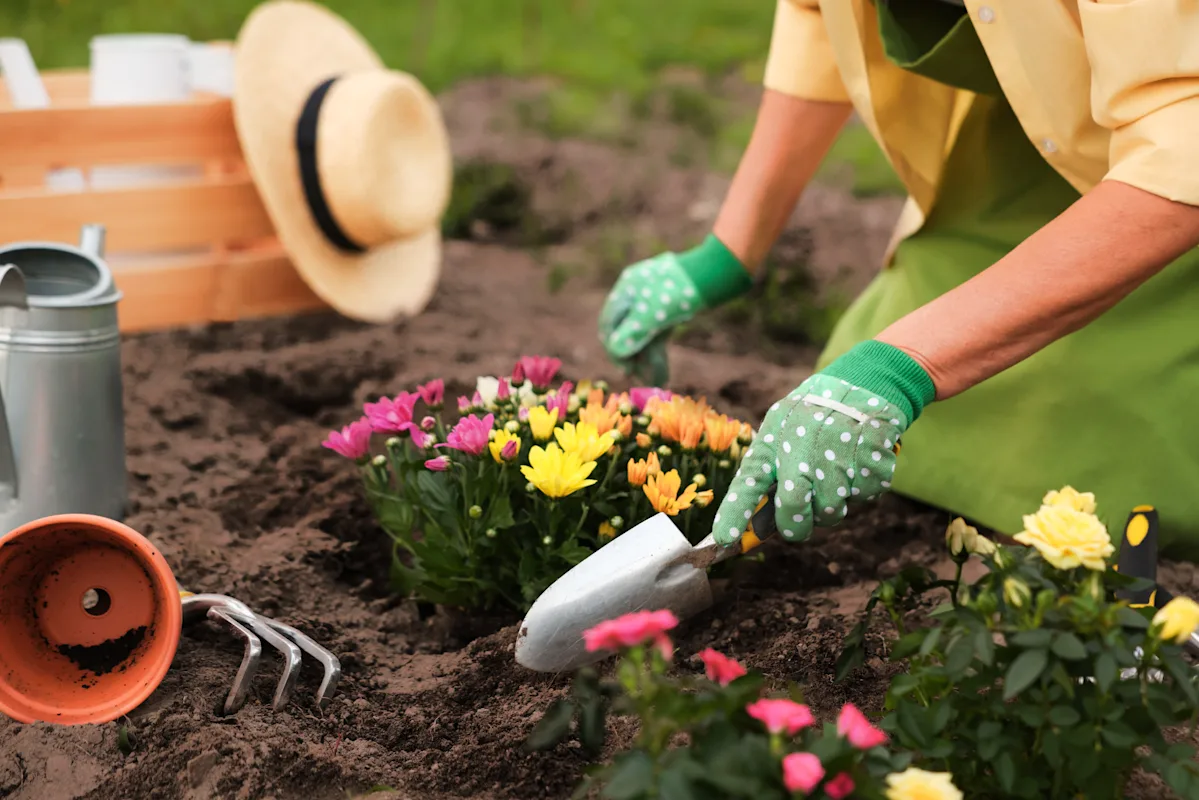
Growing chrysanthemums starts with choosing a good location. Pick a site that receives plenty of direct sunlight. Most garden mums perform best with about six or more hours of sun each day.
The soil should be rich and well drained. Add compost or other suitable organic matter if your soil is poor. Avoid areas where water stays around the roots after rain.
Space plants according to their mature size. Good spacing allows air to move around the foliage and helps reduce crowding. The Old Farmer’s Almanac recommends spacing many mums about 18 to 36 inches apart, depending on their expected size.
Plant the mum at about the same depth as it was growing in its container. Planting too deeply can allow water to collect around the stem and may increase the risk of rot.
When to Plant Chrysanthemums
Spring is usually the best time to plant hardy garden mums. Spring planting gives the roots more time to grow before winter arrives. A strong root system improves the plant’s chance of surviving cold weather.
Fall planting can also work in some areas. However, late planting gives the roots less time to establish. If you buy mums in fall, check whether the plant is a hardy garden mum before expecting it to return the following spring.
Your local climate also matters. A planting date that works in Minnesota may not be ideal in Texas or Florida. Use your USDA hardiness zone and local frost dates as a guide.
How Much Sun Do Chrysanthemums Need?
Chrysanthemums grow best in full sun. Aim for at least six hours of direct sunlight when possible.
Too little light can produce weak, stretched growth. Plants may also produce fewer flowers.
There is another important light issue. Chrysanthemums respond to day length. Artificial light at night can interfere with normal bud formation. A porch light, security light, or street light may keep a plant from receiving the long dark period it needs to start flowering.
If your mum grows well but does not form buds, check both its daytime sunlight and nighttime lighting.
What Is the Best Soil for Chrysanthemums?

Chrysanthemums prefer rich, well-draining soil. They need moisture, but their roots should not sit in water.
Heavy clay soil can hold too much water. Very sandy soil may drain too quickly. Adding organic matter can help improve soil structure and moisture management.
Before planting, work mature compost into the planting area if needed. Avoid creating a low spot where rainwater collects.
Good drainage is especially important in winter. Cold, wet soil can damage roots and increase the risk of root problems.
How to Water Chrysanthemums
Regular watering is important for healthy mums. Water deeply when the soil begins to dry. Container mums usually need more attention because their potting mix can dry faster than garden soil.
Water the soil near the base of the plant. Avoid keeping the foliage wet for long periods.
Do not let the plant stay in standing water. A container should always have drainage holes. If you use a decorative pot without holes, place the plant in a suitable container with drainage instead.
During hot and dry weather, check the soil more often. Newly planted chrysanthemums may also need extra attention while their roots become established.
How to Fertilize Chrysanthemums
Chrysanthemums are active growers and can benefit from regular feeding during the growing season. A balanced fertilizer can support healthy foliage and flower production. The Old Farmer’s Almanac recommends monthly feeding with a balanced fertilizer during active growth.
Avoid overfertilizing. Too much fertilizer can encourage excessive leafy growth and may not produce the flowering result you want.
Once flower buds begin to develop, follow the fertilizer instructions for your specific product and variety. Stop or adjust feeding when recommended for your growing situation.
How to Make Chrysanthemums Bushy
If you want a compact, full mum, pinching is one of the most useful techniques.
When new shoots are about 3 to 4 inches tall, pinch off the growing tip. Leave several leaves on each shoot. Continue this process every few weeks during spring and early summer. Stop before the plant begins forming flower buds.
Pinching encourages the plant to produce more side branches. More branches can create a fuller plant with more flower stems.
Do not keep pinching too late. Late pinching can remove developing flower buds and delay blooming.
How to Prune Chrysanthemums
Pruning depends on the season and your goal.
During spring and early summer, pinching helps create a compact shape. You can also remove weak or damaged growth.
After flowering, avoid rushing to cut hardy garden mums down to the ground before winter. Leaving old stems and foliage can help protect the crown and roots during cold weather. The Old Farmer’s Almanac recommends leaving hardy mums standing through winter and cutting back old growth after new spring growth appears.
If a plant has diseased foliage, remove the affected material and dispose of it properly rather than leaving infected plant material in the garden.
How to Grow Chrysanthemums in Pots

Chrysanthemums grow well in containers. They are popular on porches, patios, balconies, and entryways during fall.
Choose a container with drainage holes. Use a quality potting mix rather than heavy garden soil. Select a pot that gives the roots enough room to grow.
Place the container where the plant receives strong sunlight. Check the soil often because container plants can dry quickly.
Potted mums may need more frequent watering than plants growing in the ground. Water thoroughly until excess water drains from the bottom.
If you want a potted mum to survive winter, first make sure it is a hardy garden variety. A decorative florist mum may not have enough cold tolerance to survive your climate.
How to Propagate Chrysanthemums
You can propagate chrysanthemums in several ways. Common methods include division, cuttings, and seeds.
Division is useful for established garden mums. Divide plants in spring when new growth begins. Carefully separate sections that have healthy roots and shoots, then replant them. The Old Farmer’s Almanac recommends dividing established mums about every two to three years.
Stem cuttings are another useful method. Take healthy young shoots and root them in a suitable growing medium. Keep the medium lightly moist while roots develop.
Growing chrysanthemums from seed can be interesting, but seedlings may not have exactly the same traits as the parent plant. Named cultivars are often propagated by vegetative methods when gardeners want to preserve their characteristics.
How to Get Chrysanthemums to Bloom
Chrysanthemums are known for their fall flowers, but several factors affect blooming.
First, give the plant enough sunlight during the day. Poor light can reduce flowering.
Next, check nighttime lighting. Chrysanthemums respond to photoperiod, or the length of light and darkness. Long artificial light at night can interfere with bud formation.
Plant stress can also affect flowering. Drought, poor nutrition, root problems, and incorrect pruning can reduce flower production.
Timing matters as well. If you pinch the plant too late, you may remove developing buds.
If your mum looks healthy but refuses to bloom, start by checking sunlight, nighttime light, watering, and your pruning schedule.
Why Are My Chrysanthemums Not Blooming?
A chrysanthemum that does not bloom can be frustrating. Fortunately, the cause is often easy to find.
Too little sunlight can limit flowering. Move container plants to a brighter location if needed.
Night lighting can interfere with the short-day response. Keep mums away from bright security or street lights when possible.
Late pinching can remove flower buds. Stop pinching before the plant starts setting buds.
Water stress can weaken growth. Keep the soil evenly moist without making it soggy.
Too much nitrogen may produce lots of leaves but fewer flowers. Follow the fertilizer label and avoid excessive feeding.
Plant type also matters. Some varieties bloom earlier or later than others.
How to Overwinter Chrysanthemums
Winter care is important if you want hardy mums to return.
First, make sure you have a cold-hardy garden mum. A florist mum may not survive winter outdoors.
For garden-grown hardy mums, allow the old foliage to remain through winter. After the ground freezes, apply a layer of mulch around the plant to help protect the roots. The Old Farmer’s Almanac recommends about 4 to 6 inches of mulch for winter protection in suitable climates.
Do not cut hardy mums back severely in fall. The old growth can help insulate the plant. Wait until spring and remove the dead stems when new growth begins.
In very cold areas, container-grown mums may need special winter protection. Some gardeners move hardy plants to a cold, dark location where the roots can remain slightly moist without being exposed to severe freezing temperatures.
Winter survival depends on variety, climate, soil, planting time, and exposure. No method can guarantee that every mum will survive every winter.
Chrysanthemum USDA Hardiness Zones
Hardiness varies by chrysanthemum variety. Many hardy garden mums are suitable for Zones 4 through 9, while some extra-hardy selections can handle colder conditions.
Your USDA hardiness zone is useful when selecting a perennial mum. However, zone information is not the only factor.
A well-drained planting site can improve winter survival. So can early planting, strong root growth, suitable mulch, and protection from harsh wind.
If you live in a colder zone, look specifically for a cultivar bred or tested for your climate.
Common Chrysanthemum Pests
Chrysanthemums can experience insect problems. Aphids, spider mites, thrips, and other pests may damage leaves or flowers.
Check plants regularly. Look underneath leaves and around new growth. Early detection is usually easier to manage than a large infestation.
Avoid spraying pesticides automatically. First identify the pest and determine whether treatment is needed. Some insects may cause little damage, while beneficial insects can help control pests naturally.
Good plant spacing also helps improve airflow and makes it easier to inspect the plant.
Common Chrysanthemum Diseases

Chrysanthemums can develop several plant health problems. Symptoms may include leaf spots, discoloration, wilting, distorted growth, and damaged flowers.
University of Minnesota Extension provides a chrysanthemum diagnostic guide that organizes common problems by symptoms such as spotted or discolored leaves, wilting, malformed growth, and chewed leaves.
Poor drainage can increase root problems. Wet foliage and poor airflow can also create conditions that favor some diseases.
If you see unusual symptoms, identify the problem before treating the plant. Removing damaged leaves may help in some cases, but the correct solution depends on the cause.
Why Are My Chrysanthemum Leaves Turning Yellow?
Yellow leaves can have several causes. Overwatering is one possibility, especially when the soil remains wet for long periods.
Nutrient problems can also cause yellow foliage. However, older leaves naturally change color and die as plants age.
Check the soil before watering. Make sure the container drains properly. Look for pests and inspect the roots if the plant is seriously declining.
Do not assume that yellow leaves always mean the plant needs fertilizer. Adding fertilizer to a plant that is already stressed by wet roots can make the problem worse.
Why Are My Chrysanthemums Wilting?
Wilting can occur when a chrysanthemum does not receive enough water. This is especially common with container mums during hot weather.
However, overwatering can also cause wilting. Damaged roots cannot take up water properly when the soil stays too wet.
Check the soil before watering again. If the soil is dry, water deeply. If it is wet and the plant continues to wilt, inspect drainage and root health.
Do Chrysanthemums Repel Insects?
Chrysanthemums are sometimes described as natural insect repellents. This needs some clarification.
Certain chrysanthemum relatives are used as sources of pyrethrins, natural compounds with insecticidal properties. That does not mean every ornamental garden mum works as a strong insect-control plant.
Do not assume that planting ordinary mums around your garden will eliminate pests. Instead, identify the pest and use an appropriate control method.
This distinction is important because the word “chrysanthemum” covers many different plants and cultivars.
Are Chrysanthemums Toxic to Cats and Dogs?
Pet owners should be careful with chrysanthemums. The plant can be harmful to pets if eaten.
If you have cats or dogs that chew plants, keep chrysanthemums out of their reach. If a pet eats part of the plant and develops unusual symptoms, contact a veterinarian for advice.
Garden safety is just as important as plant care. Choose plants based on your household and pets, not only their appearance.
Chrysanthemum Meaning and Symbolism
Chrysanthemums have a long history of symbolism. They are often associated with loyalty, friendship, joy, long life, and good luck. Meanings can vary by culture and flower color.
Red chrysanthemums are often connected with love. White chrysanthemums can represent honesty or remembrance in some traditions. Yellow chrysanthemums may symbolize friendship, joy, or positive feelings.
The flower also has special cultural importance in Japan. Chrysanthemums are connected with royalty and the Japanese imperial family and are widely celebrated in Japanese culture.
Is Chrysanthemum the November Birth Flower?
Yes. Chrysanthemum is commonly recognized as the November birth flower.
The flower is strongly associated with autumn because many chrysanthemums bloom as the days become shorter. Their bright colors make them popular for fall gardens and seasonal arrangements.
A chrysanthemum can also make a meaningful birthday gift for someone born in November.
How Long Do Chrysanthemum Flowers Last?
The flowering period depends on the variety, climate, weather, and growing conditions. Many garden mums provide several weeks of fall color.
Cooler fall weather can help flowers remain attractive. Heat, drought, heavy rain, and poor plant health can shorten the display.
Regular watering and good growing conditions can help keep plants looking their best.
Can Chrysanthemums Grow Indoors?

Chrysanthemums are mainly grown outdoors, but potted mums can be displayed indoors for short periods.
Choose a bright location and keep the soil from drying out. Make sure the pot has drainage.
Long-term indoor growing can be more difficult because chrysanthemums need the right light conditions to flower. Their response to day length means that indoor lighting can affect bud formation.
For reliable long-term growth, hardy garden mums are usually better suited to outdoor conditions.
Chrysanthemums as Cut Flowers
Chrysanthemums are also popular as cut flowers. Their many flower forms make them useful in bouquets and arrangements.
For a cutting garden, choose varieties with strong stems and traits suited to flower production. Harvest flowers when they are at the right stage for your intended arrangement.
Clean cutting tools can help reduce the spread of plant diseases. Place freshly cut stems in clean water and keep the arrangement away from excessive heat.
Best Uses for Chrysanthemums in the Garden
Chrysanthemums are versatile plants. You can use them in many parts of the landscape.
They work well in fall borders because their flowers provide color late in the season.
They are useful in containers because their compact forms can create strong displays on patios and porches.
They can also work in cutting gardens, where taller varieties provide stems for indoor arrangements.
Hardy garden mums are useful in perennial beds when planted in a suitable climate.
When choosing a plant, match the variety to the purpose. A compact cushion mum may be better for a container, while a taller variety may work better for cutting.
Chrysanthemum Care by Season

Spring Chrysanthemum Care
Spring is the best time to plant hardy mums. Give them full sun, good soil, and regular moisture.
Start pinching new growth once shoots become several inches tall. Repeat the process during the early growing season to encourage branching.
Summer Chrysanthemum Care
Continue watering during dry periods. Keep plants growing actively and monitor them for pests.
Finish pinching before flower buds begin to form. The exact timing varies by climate and cultivar.
Fall Chrysanthemum Care
Fall is the main flowering season for many mums. Keep plants watered during dry weather and enjoy the flowers.
Avoid unnecessary pruning while plants are preparing for winter.
Winter Chrysanthemum Care
Protect hardy mums with suitable mulch after the ground freezes. Leave old growth in place until spring unless disease requires removal.
Frequently Asked Questions About Chrysanthemums
Do chrysanthemums come back every year?
Hardy garden chrysanthemums can come back every year when grown in a suitable climate. Florist mums are often not bred for winter survival and may be treated as seasonal plants.
How much sun do chrysanthemums need?
Most garden chrysanthemums grow best with full sun. Aim for about six or more hours of direct sunlight each day for strong growth and flowering.
When should I plant chrysanthemums?
Spring is usually the best time to plant hardy garden mums because they have more time to establish roots before winter.
Why are my mums not blooming?
Lack of sunlight, nighttime lighting, late pinching, plant stress, poor watering, and variety differences can all affect flowering. Chrysanthemums respond to day length, so artificial light at night can sometimes delay bud formation.
Can chrysanthemums grow in pots?
Yes. Chrysanthemums grow well in containers when they receive enough sunlight and water. Use a container with drainage holes and check the soil often because pots can dry quickly.
Should I cut back mums in the fall?
For hardy garden mums, it is usually better to leave the old stems and foliage through winter. Cut them back after new growth appears in spring.
How do I make my mums bushy?
Pinch the growing tips during spring and early summer. Repeat the process every few weeks before flower buds develop. This encourages more branches and creates a fuller plant.
Are chrysanthemums perennials or annuals?
It depends on the type. Hardy garden mums are perennial plants in suitable climates. Many florist mums are grown mainly as seasonal decorative plants and may not survive winter outdoors.
What is the best soil for chrysanthemums?
Chrysanthemums prefer rich, well-draining soil. Adding compost can improve poor soil. Avoid locations where water remains around the roots.
Final Thoughts
Chrysanthemums are beautiful, flexible, and rewarding garden plants. They can fill a fall garden with bright color when many other flowers are fading. With the right variety, they can also become long-term perennials.
The most important part of chrysanthemum care is choosing the right plant. If you want a mum to return every year, look for a hardy garden variety. Give it full sun, rich and well-draining soil, regular water, and enough space to grow.
Pinching can help create a fuller plant. Proper watering can support healthy growth. Good drainage can protect the roots. Winter mulch can help protect hardy plants from cold temperatures. Leaving old growth in place until spring can also provide extra protection for the plant crown.
Remember that every garden is different. Your climate, soil, variety, planting time, and winter conditions all affect results. By watching your plants and adjusting care when needed, you can grow healthier chrysanthemums and enjoy their colorful flowers for many seasons.
At GardenVibe.us, our goal is to make gardening easier with practical, clear, and useful plant guides. Whether you are growing your first fall mum or building a long-lasting perennial garden, understanding the plant is the first step toward better results.