Introduction

If you want a garden that returns year after year, perennial plants are a great choice. Unlike annuals, many perennials can live for several years. Some die back in winter and grow again in spring. Others keep their leaves throughout the year.
But not every perennial grows in the same way. Some need full sun. Others prefer shade. Some handle dry soil well, while others need steady moisture.
This guide explains what a perennial is, the main types, popular examples, when to plant them, and how to care for them. It also covers pruning, watering, dividing, propagation, containers, and common problems.
The goal is simple. You should finish this guide knowing how to choose the right perennial for your garden.
Gardening note: Plant performance depends on species, cultivar, soil, climate, and growing zone. Always check the plant label and local growing advice before planting.
What Is a Perennial Plant?
A perennial plant is a plant that lives for multiple years.
This is the main difference between a perennial and an annual. Annual plants complete their life cycle in one growing season. Perennials survive for more than two years.
Many garden perennials are herbaceous perennials. Their stems are not permanently woody. In cold areas, the above-ground growth may die back in autumn. The roots, crown, rhizomes, or other underground parts survive winter. New growth then appears when conditions improve.
Trees and shrubs are also technically perennial because they live for many years. However, gardeners usually use the word perennial when talking about long-lived herbaceous garden plants.
Do Perennials Come Back Every Year?

Many perennial plants come back every year, but not all perennials behave in the same way.
Hardy perennials can survive winter in suitable climates. Some lose their leaves and stems during dormancy. They then produce new growth in spring.
Other perennials are evergreen. They keep some or most of their foliage during winter.
Tender perennials are different. They may survive for years in warm climates but fail to survive freezing temperatures in colder areas.
So, the phrase “perennials come back every year” is useful for beginners, but it needs one important detail:
A perennial can return each year only when its growing conditions are suitable.
How Long Do Perennial Plants Live?
There is no single lifespan for every perennial.
Some can live for many years. Others are short-lived and may last only a few seasons.
Plant health also affects lifespan.
Good sunlight, suitable soil, proper watering, and enough space can help plants stay healthy. Crowding, disease, poor drainage, and unsuitable temperatures can shorten their useful life.
Some established perennials may also need to be divided after several years. Division can help reduce overcrowding and restore healthy growth.
Annual vs. Biennial vs. Perennial
Understanding plant life cycles makes gardening much easier.
| Plant type | Life cycle | What usually happens |
| Annual | About one year | Grows, flowers, produces seed, and completes its life cycle |
| Biennial | Usually two years | Often grows leaves in the first year and flowers in the second |
| Perennial | More than two years | Survives and continues growing for multiple years |
The biggest difference is how long the plant lives.
Annuals are useful when you want quick seasonal color. Perennials are useful when you want plants that can remain in the garden for years.
A mixed garden can use both.
Types of Perennial Plants

Perennials come in many forms. Knowing the type can help you choose the right plant for your garden.
Herbaceous Perennials
Herbaceous perennials have soft, non-woody stems.
Many die back during winter. Their underground parts remain alive. New stems and leaves appear during the next growing season.
Examples include:
- Coneflower
- Hosta
- Daylily
- Peony
- Garden phlox
- Bee balm
- Black-eyed Susan
Herbaceous perennials are among the most common plants used in flower gardens.
Evergreen Perennials
Evergreen perennials keep their foliage for most or all of the year.
They can add winter interest to a garden.
However, evergreen does not mean the plant can grow anywhere. Light, temperature, soil, and moisture still matter.
Tender Perennials
Tender perennials usually come from warmer climates.
They may survive outdoors year after year in warm regions. In colder areas, gardeners may need to protect them or grow them as annuals.
This is why the same plant can behave differently in different parts of the United States.
Woody Perennials
Trees and shrubs are technically woody perennials.
Their stems produce permanent wood. Unlike most herbaceous perennials, their above-ground structure does not normally die back to the ground each winter.
Popular Perennial Plants
There are thousands of perennial plants to choose from.
Here are some popular options for home gardens:
Coneflower
Coneflower is known for its daisy-like flowers. It is often grown in sunny gardens and can also provide value for pollinators.
Black-Eyed Susan
Black-eyed Susan produces bright flowers with dark centers. It can add a strong summer display to a perennial border.
Peony
Peonies are long-lived garden plants with large, showy flowers. They can remain productive for many years when planted in a suitable location.
Hosta
Hostas are popular shade perennials. They are grown mainly for their attractive foliage.
Daylily
Daylilies are adaptable plants with grass-like foliage and colorful flowers. Many varieties are available.
Bee Balm
Bee balm produces colorful flowers and can attract pollinators. It works well in a wildlife-friendly garden.
Yarrow
Yarrow can tolerate relatively dry conditions once established. It is also valued for its flat flower clusters.
Salvia
Many perennial salvias prefer sunny locations. Their flowers can provide color and attract pollinating insects.
How to Choose the Right Perennial
Choosing the right plant is more important than simply choosing a beautiful flower.
Start with your garden conditions.
Check Sunlight
Ask yourself:
- Does the area receive full sun?
- Does it receive morning sun and afternoon shade?
- Is it mostly shaded?
- Does the sunlight change during the year?
A plant that needs full sun may perform poorly in deep shade.
Check Soil
Look at:
- Drainage
- Moisture
- Soil texture
- Soil pH
- Organic matter
The University of Maryland Extension recommends assessing light, soil drainage, wildlife pressure, and available space before selecting perennials.
Check Mature Size
Do not choose a plant based only on its size at the garden center.
Check its mature height and width.
A small plant can become much larger after a few seasons.
Check Your Climate
Your local climate affects winter survival.
Check the plant’s recommended hardiness range before buying it.
Perennial Plants for Full Sun

Full-sun gardens can support many flowering perennials.
Popular options include:
- Coneflower
- Yarrow
- Salvia
- Catmint
- Daylily
- Black-eyed Susan
- Lavender
However, “full sun” can vary by location.
A plant that handles full sun in a cooler region may need more protection in a very hot climate.
Always consider local heat, rainfall, and soil moisture.
Perennial Plants for Shade
Shady gardens need different plants.
Some popular shade perennials include:
- Hosta
- Heuchera
- Astilbe
- Ferns
- Bleeding heart
Before planting, identify whether the area has full shade, partial shade, or filtered light.
A plant that needs some light may not perform well in deep shade.
Drought-Tolerant Perennials
If your garden receives little rainfall, choose plants that can handle dry conditions.
Possible choices include:
- Yarrow
- Coneflower
- Catmint
- Salvia
- Lavender
Drought tolerance does not mean a plant never needs water.
Newly planted perennials usually need attention while their roots become established.
Once established, suitable plants may need less supplemental water.
Perennial Plants for Pollinators

Perennials can play an important role in a wildlife-friendly garden.
Flowers can provide nectar and pollen. Some plants also produce seeds that benefit birds.
Examples include:
- Bee balm
- Coneflower
- Asters
- Yarrow
- Black-eyed Susan
- Milkweed
Native plants can be especially useful because they are adapted to local ecosystems.
When choosing plants, consider your region rather than assuming one plant list works equally well across the entire United States.
When Is the Best Time to Plant Perennials?
The best planting time depends on the plant and your local climate.
In general, spring and fall can both be good planting seasons.
The University of Maryland Extension notes that perennials can generally be planted when they are available and the soil is workable. It also recommends giving plants enough time to establish before difficult weather arrives.
Planting Perennials in Spring
Spring is a popular time to plant.
The soil is warming. New growth is beginning. Plants have a full growing season to establish roots.
Spring can be especially useful for plants that flower later in the year.
Planting Perennials in Fall
Fall can also be a good time.
Cooler temperatures can reduce stress. The soil may still be warm enough for root growth.
However, avoid planting too late in areas where winter arrives quickly.
Can You Plant Perennials in Summer?
Yes, but summer planting can be more stressful.
Hot weather can increase water loss.
If you plant during summer, pay close attention to watering and avoid unnecessary stress.
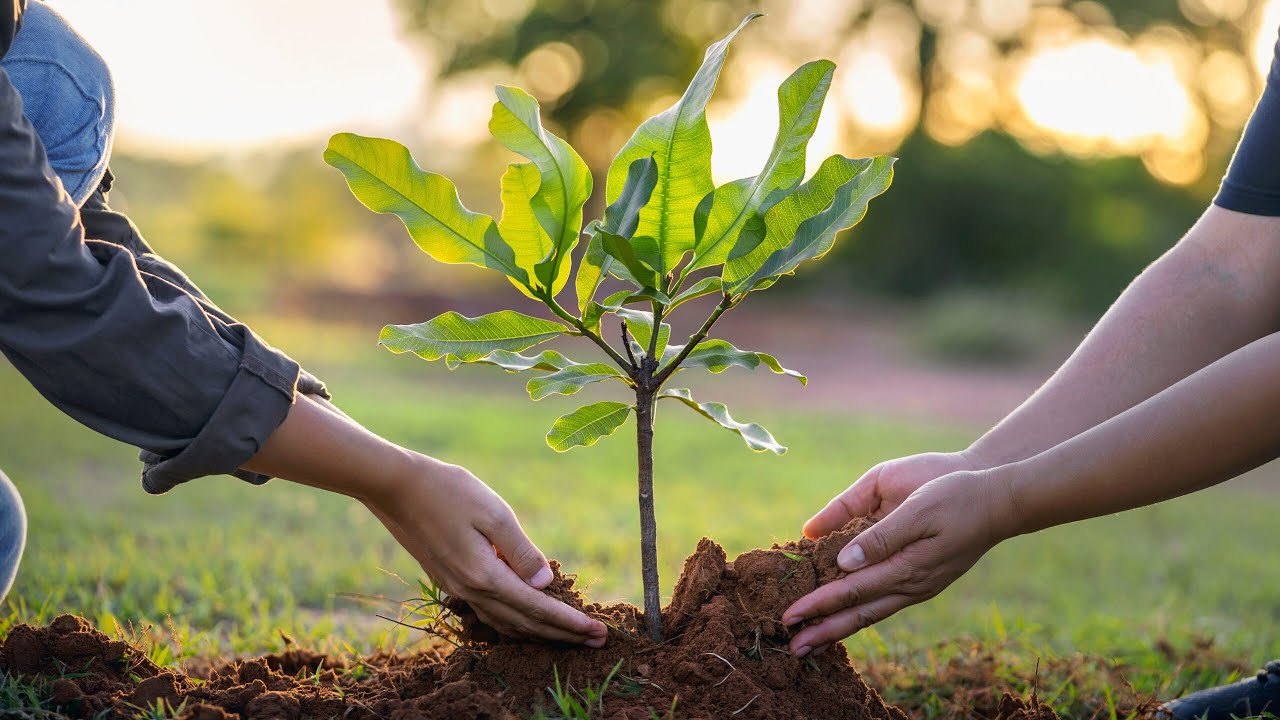
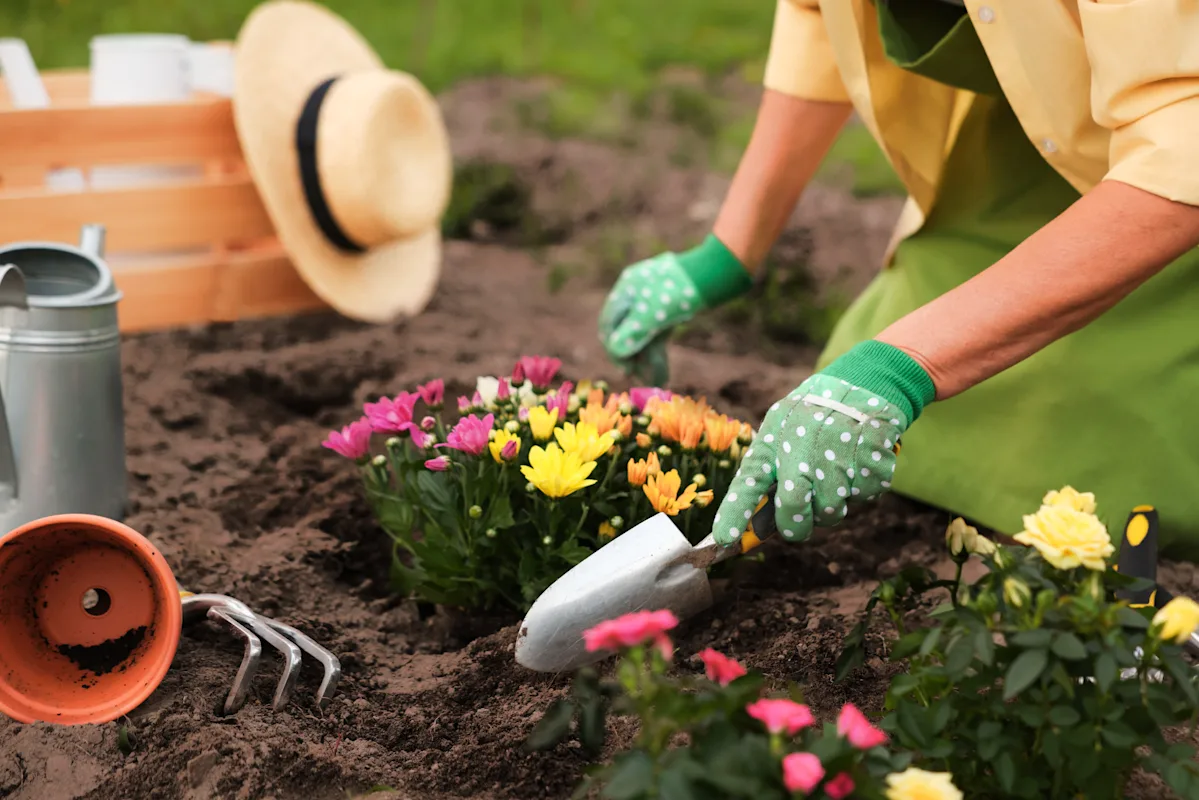
How to Plant Perennials
Follow these basic steps.
Step 1: Choose the Right Location
Match the plant with its light and soil needs.
Step 2: Prepare the Soil
Remove weeds and large roots.
Improve the soil only when needed. A soil test can help you understand what your soil needs.
Step 3: Dig the Hole
Make a hole wide enough for the root system.
Avoid making the hole much deeper than necessary.
Step 4: Remove the Plant
Gently remove the plant from its container.
If the roots are tightly circling the root ball, loosen or correct them before planting. The University of Maryland Extension specifically recommends addressing severely root-bound container plants before planting.
Step 5: Place the Plant
Set the plant at the correct depth.
Follow the plant label for specific instructions.
Step 6: Fill the Hole
Add soil around the roots.
Press it gently into place.
Step 7: Water Deeply
Water the new plant after planting.
This helps settle the soil around the roots.
Step 8: Add Mulch
A layer of mulch can help conserve moisture and reduce weeds.
Keep mulch away from the plant crown and stems.
How to Care for Perennial Plants

Good perennial plant care starts with the basics.
Watering
New plants need regular attention.
Established plants may need less water, but the correct amount depends on the species and weather.
Check the soil instead of following one fixed watering schedule.
Fertilizing
Do not assume more fertilizer means more flowers.
Too much fertilizer can cause excessive leafy growth.
Use a soil test and plant-specific recommendations when possible.
Mulching
Mulch can help:
- Reduce weeds
- Protect soil moisture
- Moderate soil temperature
- Add organic matter as it breaks down
Do not pile mulch against the crown or stems.
Weeding
Remove weeds before they become established.
Weeds compete with perennials for water, nutrients, light, and space.
Should You Deadhead Perennials?
Deadheading means removing faded flowers.
It can improve the appearance of many plants. In some cases, it can also encourage more flowers because the plant does not spend as much energy producing seeds.
However, you do not need to deadhead every perennial.
You may want to leave seed heads when they:
- Feed birds
- Add winter interest
- Help plants reseed
- Provide habitat for wildlife
So, deadheading is both a gardening choice and a plant-specific decision.
When Should You Cut Back Perennials?
There is no single rule for every perennial.
Some plants can be cut back in fall. Others are better left standing until spring.
Leaving healthy stems and seed heads through winter can provide shelter and food for wildlife. The University of Maryland Extension notes that leaving plant material can also provide overwintering habitat for pollinators.
However, diseased plant material may need to be removed.
A simple approach is:
Cut back plants when there is a clear reason to do so, rather than cutting everything automatically.
This can create a healthier and more wildlife-friendly garden.
How to Divide Perennial Plants
Some perennials become crowded after several years.
You may notice:
- A dead center
- Fewer flowers
- Weak growth
- Crowded stems
- A large clump
Division can help restore space and vigor.
The University of Maryland Extension notes that many perennials that remain in the same location for more than three years can become overcrowded and may benefit from division.
Basic division process
- Water the plant before digging.
- Dig around the root system.
- Lift the clump carefully.
- Separate healthy sections.
- Remove weak or dead sections.
- Replant the divisions.
- Water thoroughly.
- Keep the soil evenly moist while they establish.
The best timing depends on the plant.
How to Propagate Perennials
You can create new plants from many established perennials.
Common methods include:
- Division
- Stem cuttings
- Root cuttings
- Seeds
Division is often one of the simplest methods for plants that naturally form clumps.
Seed propagation can also be useful. However, plants grown from seeds may not always have exactly the same traits as a named cultivar.
Growing Perennials in Containers
Perennials can grow in containers.
This is useful when you have:
- A balcony
- A patio
- A small yard
- A rental home
- Poor garden soil
Choose a container with drainage holes.
Use a suitable potting mix.
Remember that container plants can dry out faster than plants in the ground.
They may also need more frequent feeding and occasional repotting. The RHS notes that perennial plants grown in containers need additional watering and feeding as they grow.
Common Problems With Perennial Plants

Perennials are generally strong plants, but problems can happen.
Yellow Leaves
Possible causes include:
- Water stress
- Poor drainage
- Nutrient problems
- Natural seasonal changes
- Disease
Do not assume yellow leaves always mean the plant needs fertilizer.
Wilting
Wilting can happen because of:
- Dry soil
- Root damage
- Heat
- Disease
- Transplant stress
Check the soil and roots before deciding what treatment is needed.
Poor Flowering
A perennial may fail to bloom because of:
- Too much shade
- Poor nutrition
- Excess nitrogen
- Drought
- Overcrowding
- Incorrect pruning
- Plant age
Start by checking the plant’s basic growing requirements.
Pests
Common garden pests can include:
- Aphids
- Slugs
- Snails
- Caterpillars
- Rabbits
- Deer
The right solution depends on the pest and the plant.
Why Is My Perennial Not Blooming?
This is one of the most common questions gardeners ask.
Start with sunlight.
Many flowering perennials need enough light to produce strong blooms.
Next, check watering and soil conditions.
Then look at the plant’s age. Some perennials take time to become established.
Also check whether the plant was pruned at the wrong time.
Finally, consider overcrowding.
A mature clump may need division to restore better growth.
Are Perennial Plants Low Maintenance?
Many perennials are relatively low maintenance after they become established.
However, low maintenance does not mean no maintenance.
Plants may still need:
- Water
- Weeding
- Mulching
- Deadheading
- Pruning
- Division
- Pest monitoring
- Seasonal cleanup
The RHS describes many perennials as easy to grow and low maintenance, while also noting the need for regular care such as weeding, staking, pruning, and division.
Choosing the right plant for the right location can reduce future work.
Perennials vs. Annuals: Which Is Better?
Neither is always better.
It depends on your goal.
Choose perennials when you want:
- Long-term plants
- Less yearly replanting
- Returning flowers
- Established garden structure
- Wildlife value
Choose annuals when you want:
- Fast seasonal color
- A temporary display
- Frequent design changes
- Plants that complete their life cycle in one season
Many gardeners use both.
Annuals can fill gaps while perennials become established.
How to Build a Perennial Garden

A good perennial garden should not depend on one plant.
Instead, create layers.
Tall plants
Place taller plants toward the back of a border.
Medium plants
Use medium-height plants in the middle.
Low plants
Place shorter plants toward the front.
Also consider bloom times.
Choose plants that flower in spring, summer, and fall. This can keep the garden interesting for a longer period.
The University of Maryland Extension recommends using different plant heights, foliage textures, flower traits, and bloom seasons to create a more varied perennial garden.
Perennial Plants and Wildlife
A perennial garden can support more than flowers.
It can provide:
- Nectar
- Pollen
- Seeds
- Shelter
- Overwintering spaces
Leaving some healthy stems and seed heads through winter can help birds and beneficial insects.
Native perennials can be especially valuable when they are well matched to local conditions.
For a wildlife-friendly garden, focus on plant diversity, not just one popular flower.
Frequently Asked Questions About Perennial Plants
What is a perennial?
A perennial is a plant that lives for multiple years. Many herbaceous perennials die back during winter and regrow from surviving underground parts.
Do perennial plants come back every year?
Many do. However, they need suitable growing conditions and enough hardiness for the local climate.
What is the difference between annual and perennial plants?
Annuals complete their life cycle in about one year. Perennials live for multiple years.
Are perennial plants easy to grow?
Many are easy to grow. However, their success depends on choosing the right plant for your soil, sunlight, moisture, and climate.
When should I plant perennials?
Spring and fall are often good choices. The best time depends on the plant and local conditions.
How often should I water perennial plants?
There is no single schedule. Newly planted perennials usually need more regular watering. Established plants may need less, depending on the species, soil, temperature, and rainfall.
Should I cut back perennials in fall?
Not always. Some benefit from fall cleanup, while others can provide winter habitat and food when left standing. Diseased plant material should be handled differently.
Can perennial plants grow in pots?
Yes. Many perennials grow well in containers when they have enough root space, drainage, water, and suitable potting media.
How do I make more perennial plants?
Many can be propagated through division, cuttings, or seeds. Division is especially useful for mature clumping plants.
What are some popular perennial flowers?
Popular choices include coneflower, peony, daylily, hosta, bee balm, salvia, yarrow, and black-eyed Susan.
Final Thoughts
Perennial plants can give a garden lasting structure and seasonal beauty.
The biggest benefit is simple. You do not need to start from scratch every year.
Still, good results begin with the right plant.
Check your sunlight. Test or understand your soil. Consider drainage. Know your climate. Then choose plants that fit those conditions.
Once established, many perennials need only basic care. Water them when needed. Control weeds. Add suitable mulch. Deadhead when useful. Divide crowded plants. Leave some healthy stems for winter wildlife when appropriate.
Most importantly, remember that “perennial” describes a plant’s life cycle, not a promise that every plant will survive every climate.
Choose the right perennial for the right place, and your garden can become healthier, more colorful, and easier to maintain over time.