Introduction
Nothing changes a garden into a paradise quite like Plumeria. This plant is really pretty because it has flowers that smell so good. It has bright colors. People who like to garden in places in the United States love this plant. You can put Frangipani in the ground. You can grow it in pots. Either way Plumeria gives gardeners flowers the season.
If you are just starting with gardening, learning how to grow Frangipani is important. From picking the spot to watering the right way and stopping problems before they start every step affects the health and the flowers of the plant.
This complete guide covers everything that new and experienced gardeners need to know about growing Plumeria plants.
Featured Snippet
Plumeria is a pretty plant that has amazing flowers. These Frangipani Tree are super colorful. They smell so sweet. To make Frangipani Tree happy you need to put it in soil that gets a lot of sun and drains well. The water does not stay too long. Frangipani Tree also likes it when it is warm but not too wet. If you take care of Plumeria it will make beautiful Frangipani Tree for a long time from late spring all the way to early fall.
What Is Plumeria?

Plumeria is a flowering tree that belongs to the Apocynaceae family. It is often called the tree because of its sweet smell and colorful flowers. Native to Central America, Mexico and the Caribbean, Frangipani is now grown in tropical and subtropical areas around the world.
The plant is loved for its bunches of flowers that come in yellow, pink, red, orange and mixed colors. Besides looks Frangipani is also valued for bringing butterflies and making a look.
Popular Types of Plumeria
There are kinds of Plumeria but some are especially popular with gardeners.
White Plumeria
White Plumeria has cream-colored petals with a yellow center. It has one of the smells and is often used in tropical gardens.
Pink Plumeria
Pink Plumeria is loved for its flowers that come in soft pink to deep red. These types are great for adding color to a garden.
Red Plumeria
Red Plumeria has red or dark purple flowers. These plants do best in sun.
Yellow Plumeria
Yellow Plumeria makes yellow flowers with a nice smell. These look great with tropical flowers.
Why Grow Plumeria?
Growing Plumeria has benefits beyond its pretty flowers.
The Plumeria flowers have a smell that fills up the patios and gardens when the Frangipani flowers are in bloom. A lot of people like to use Frangipani Tree in flower arrangements because the Frangipani Tree stay fresh for a lot of days.
Plumeria flowers are easy to take care of once the Frangipani Tree are all settled in. The Frangipani Tree can handle periods better than a lot of other plants that have flowers on them. The Plumeria flowers do well with not a lot of care when the Frangipani Tree are planted in the spot.
The Frangipani Tree is also really good at bringing in butterflies and other helpful things that pollinate the plants, which helps to make the garden a healthier place for the Frangipani Tree and other plants to grow.
Best Climate for Plumeria

Plumeria grows best in USDA Hardiness Zones 10–12, where it’s warm all year.
Gardeners in places can still grow Frangipani Tree by using pots. Moving them inside before the frost helps protect the plants.
Warm temperatures between 65°F and 90°F (18°C–32°C) help the plant grow strong and make flowers.
How to Plant Plumeria
Planting the path gives your Frangipani the best chance to grow strong roots and healthy branches.
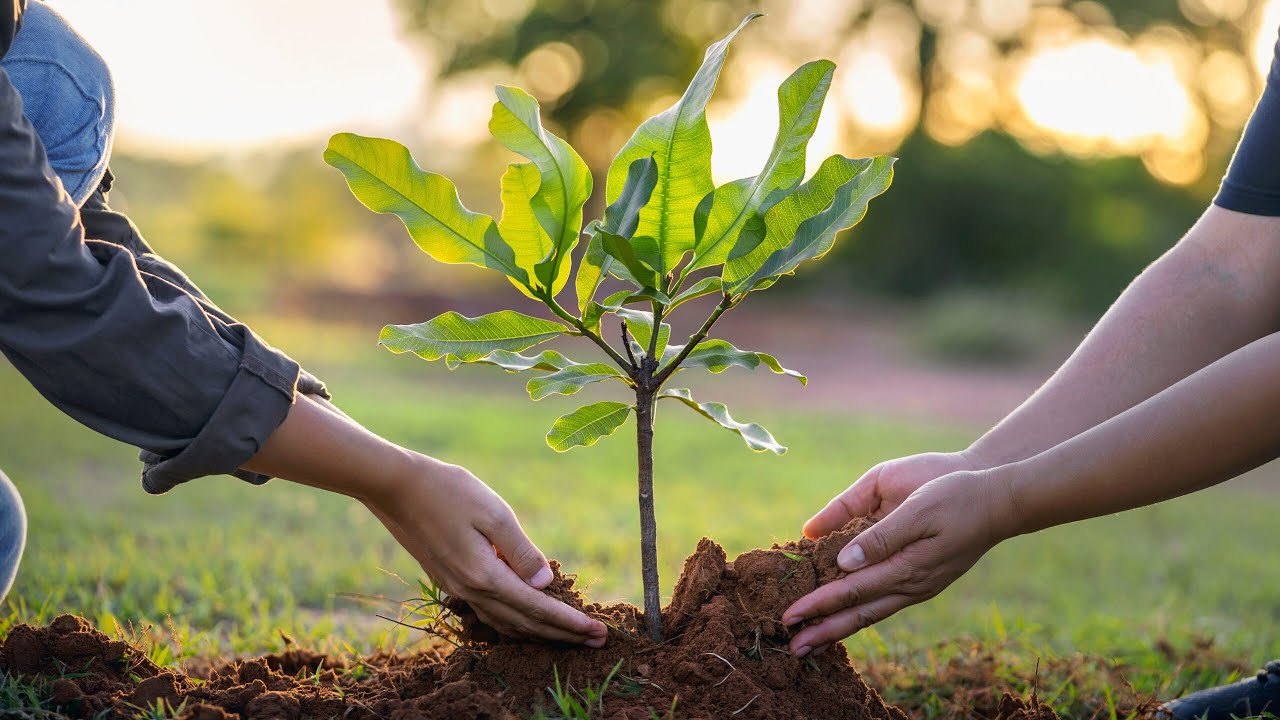
Pick a spot that gets at six to eight hours of sunlight each day. Dig a hole that’s twice as wide as the root ball but not deeper than the height of the plant.
Put the plant in the hole. Fill it with loose well-draining soil. Water it well after planting to get rid of air pockets.
When planting then one Plumeria leaves space between them so they can grow and have good air flow.
Best Soil for Plumeria
drainage is one of the most important things for growing healthy Plumeria.
The plant works best in loamy soil that lets water drain fast. Heavy clay holds much water and can cause root rot.
Mix compost with sand or perlite before planting to help the soil drain better and help the roots grow.
A soil pH between 6.0 and 7.0 is best.
Sunlight Requirements

Plumeria needs a lot of sun to make bunches of flowers.
Give it at least six hours of direct sun each day. Eight hours often leads to the growth and the most flowers.
Plants in the shade may have leaves but not many flowers.
Watering Plumeria
Watering the way helps keep the roots healthy and helps the plant make flowers.
Water after planting and let the soil dry a little before watering again. Mature plants can handle periods better than wet soil.
Cut back on water during the winter when the plant is resting.
Much water is a common cause of root problems.
Fertilizing for Healthy Blooms
Feeding the plant regularly helps it grow strong and make flowers.
Use a fertilizer in early spring when new growth starts. When flower buds appear, switch to a fertilizer with phosphorus to help the blooms.
Give the fertilizer every three to four weeks during the growing season following the instructions on the package.
Much nitrogen can make the plant grow more leaves and not enough flowers.
Plumeria Care
Taking care of Frangipani helps it grow stems, healthy leaves and bigger flowers. Once it is established this tropical plant needs a few regular tasks to stay healthy.
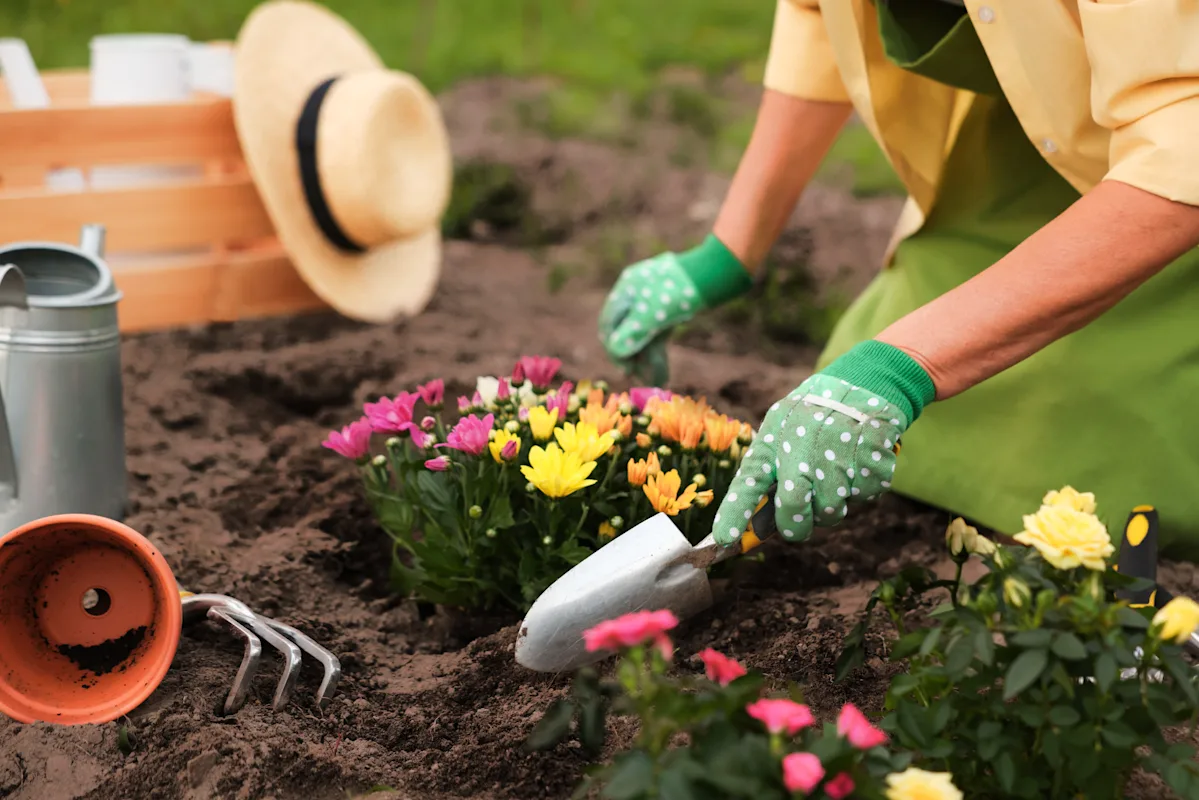
Check the soil before watering. Remove weeds around the base. Good conditions help the plant get the nutrients it needs and help air move around.
Adding a layer of mulch helps keep the soil moist in weather. Keep the mulch an inches away from the trunk to avoid too much moisture near the stem.
How to Prune Plumeria
Pruning keeps Frangipani Tree looking good. Helps it grow more branches that make more flowers.
The best time to prune is winter or early spring before new growth starts. Use sharp shears to cut away dead, broken or sick branches.
You can also cut stems to make the plant look better. New branches usually grow below each cut making the plant fuller and giving flowers.
Let the cut parts dry before watering the plant
How to Propagate Frangipani
Propagating is one of the ways to grow new Frangipani Tree.
Most gardeners use stem cuttings because this method works well and gives plants that’re the same as the original.
Pick a branch that is 12 to 18 inches long. Let the cutting dry in a place for a few days until the cut end forms a protective layer.
Plant the cutting in a mix that drains well and put it in a sunny spot. Water it a little until roots start to grow.
Rooting usually takes a week depending on the temperature and conditions.
Growing Plumeria in Containers

Growing in pots is a choice for people who live in places that are not tropical.
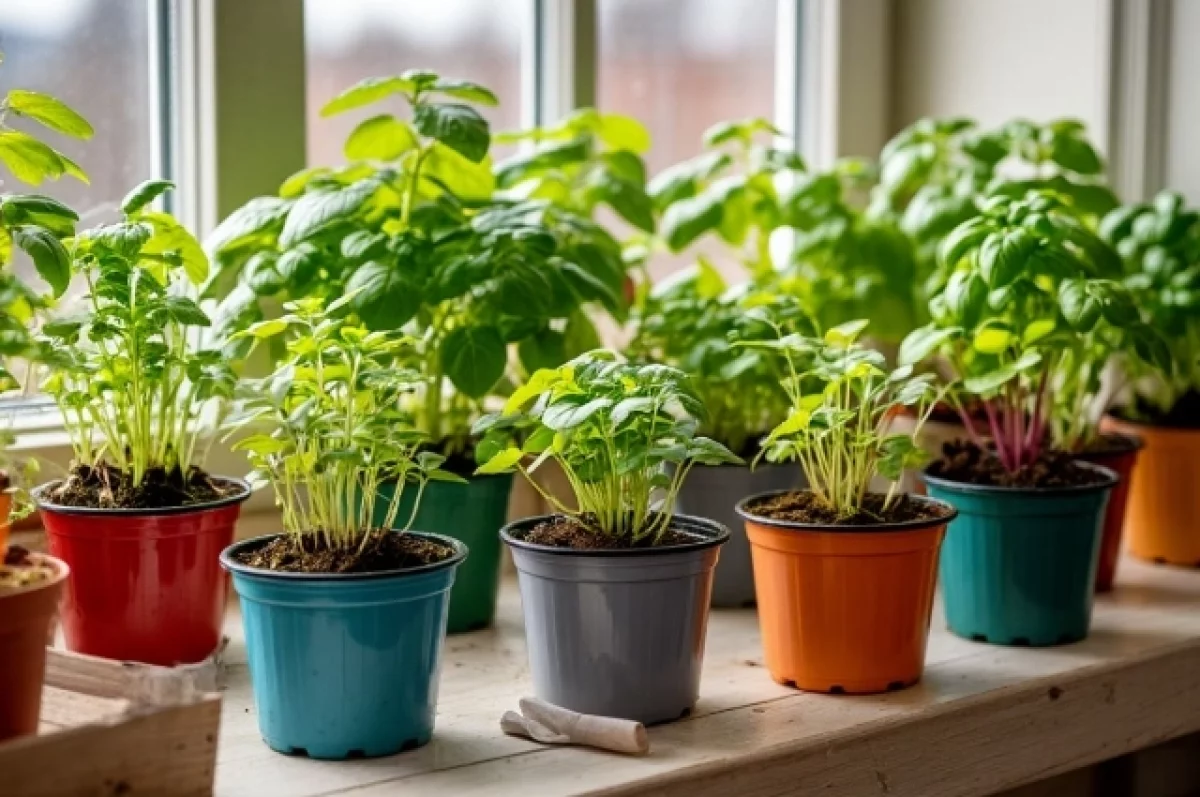
Choose a pot with holes in the bottom to stop water from sitting. Use a mix that drains quickly like one made for plants or cacti.
Plants in pots dry out faster than those in the ground so check the soil often in summer.
Repot every two or three years or when the roots fill the pot.
Winter Care for Plumeria
Cold weather is a problem when growing Plumeria.
In places where the temperature drops below 50°F (10°C) move the plants indoors before the frost. Put them in a dry spot with good air flow.
During winter Plumeria naturally drops most of its leaves. This is normal and not a problem.
Reduce watering a lot during the winter because the plant needs water when it is resting.
When spring comes and the weather is warm, slowly move the plant outside.
Common Pests and Diseases
Healthy Plumeria plants rarely have problems if they are in good conditions.. Some pests and diseases may appear.
Spider Mites
Spider mites eat the plant’s sap. Show up in hot dry weather. Small yellow spots and fine webbing on the leaves are signs.
Spraying the leaves with water or using insecticidal soap helps with problems.
Mealybugs
Mealybugs look like cottony insects on stems and leaves. They weaken the plant by eating the juice.
Use a cotton swab with rubbing alcohol to remove the insects for infestations.
Root Rot
Root rot usually happens from drainage or too much water.
Soft stems, yellow leaves and a bad smell near the roots are signs.
Improving drainage and watering less helps stop root rot.
Rust Fungus
Frangipani rust makes yellow spots that look like powder on the bottom of the leaves.
Remove the infected leaves quickly. Improve air flow around the plant to stop more problems.
Common Mistakes to Avoid

Avoiding mistakes helps keep your Plumeria healthy and blooming for a long time.
Overwatering
Much water is the main cause of root problems. Let the soil dry a little between watering.
Growing in Much Shade
Plumeria needs full sun to make lots of flowers. Plants in shade often have leaves but not many blooms.
Poor Soil Drainage
Heavy clay soil holds much water around the roots. Always improve drainage before planting.
Over-Fertilizing
Much fertilizer makes the plant grow more leaves and not enough flowers. Follow the schedule for feeding.
Asked Questions
How often should I water Plumeria?
Water when the top few inches of soil are dry. Reduce watering during the winter.
Does Plumeria need sun?
Yes. Frangipani Tree best with at least six to eight hours of direct sunlight each day.
When does Plumeria bloom?
Most types bloom from spring to early fall depending on the weather and where it is grown.
Can Plumeria survive winter?
Frangipani Tree is not able to handle frost. Gardeners in areas should grow it in pots and move it inside before the cold comes.
Is Plumeria easy to grow?
Yes. With lots of sunlight soil that drains well water in the amount and sometimes adding food for the plant Frangipani is seen as a simple tropical plant to grow.
Conclusion
Plumeria is one of the satisfying tropical plants for home gardens. Its bright flowers, smell and little need for care make it a favorite among gardeners in warm parts of the United States. By giving it sunlight soil that drains well the right amount of water and taking care of it during different seasons you can have a plant that grows well and has nice flowers every year. Whether planted in the yard or in pots Frangipani adds lasting color and a tropical look, to any outside area.