Introduction
Gardening is really a thing to do. It is a way to have fresh food, make your outdoor space look nice and help the environment. Gardening is very important to make your garden healthy, give you food and make it easy to take care of.
You can grow things like flowers, vegetables, fruits or plants that look nice. If you know about gardening you will have a garden.
This guide will tell you the things about gardening, the different types of gardening and some useful tips that you can use at home. If you are just starting to garden or you want to get better at it, learning about gardening is a place to start with gardening.
Featured Snippet
Horticulture is really about growing things like fruits and vegetables and flowers and herbs and plants that look nice. It is a way of using what we know about plants and how to garden to make the plants healthy and strong. This helps us get fruits and vegetables when we harvest them. It also helps us make our gardens and yards look really beautiful, with plants and flowers and trees. Horticulture is the science and art of growing fruits, vegetables, flowers, herbs and ornamental plants like I said before.
Table of Contents
- What Is Horticulture?
- Why Horticulture Is Important
- Main Types of Horticulture
- Pomology
- Olericulture
- Floriculture
- Landscape Horticulture
- Benefits of Horticulture
- Essential Gardening Tools
- Basic Horticulture Practices
- FAQs
- Conclusion
What Is Horticulture?

Horticulture is the part of agriculture that deals with growing fruits, vegetables, flowers, herbs and plants that look nice. It is different from farming on a scale because horticulture cares a lot about how plants look if they are good for the earth and if the garden is easy to take care of.
People who have gardens at home, people who make landscapes, people who grow plants, in greenhouses and people who sell plants all use horticulture to grow plants that’re healthy make the soil better, do not waste water and keep the earth safe.
Why Horticulture Is Important
Horticulture is really good for people, communities and the environment. It gives us food, makes our outdoor spaces look better, helps the bees and other pollinators and helps people live healthier lives.
Horticulture benefits people in many ways. Gardening is also very good because it lowers stress and gets people outside. When you grow your horticulture, like fruits and vegetables you can save money on groceries and have fresh and healthy food all the time when things are growing.
Main Types of Horticulture
Horticulture covers different areas that each look at specific types of plants and different reasons for growing them. There are areas in horticulture that each focus on different kinds of plants and different reasons for growing those plants. Each part of horticulture deals with plants and certain reasons for taking care of those plants. Horticulture has different areas and each area is about certain plants and certain reasons for growing those plants. The field of horticulture has different parts and each part is about certain plants and certain reasons for growing those plants.
Pomology
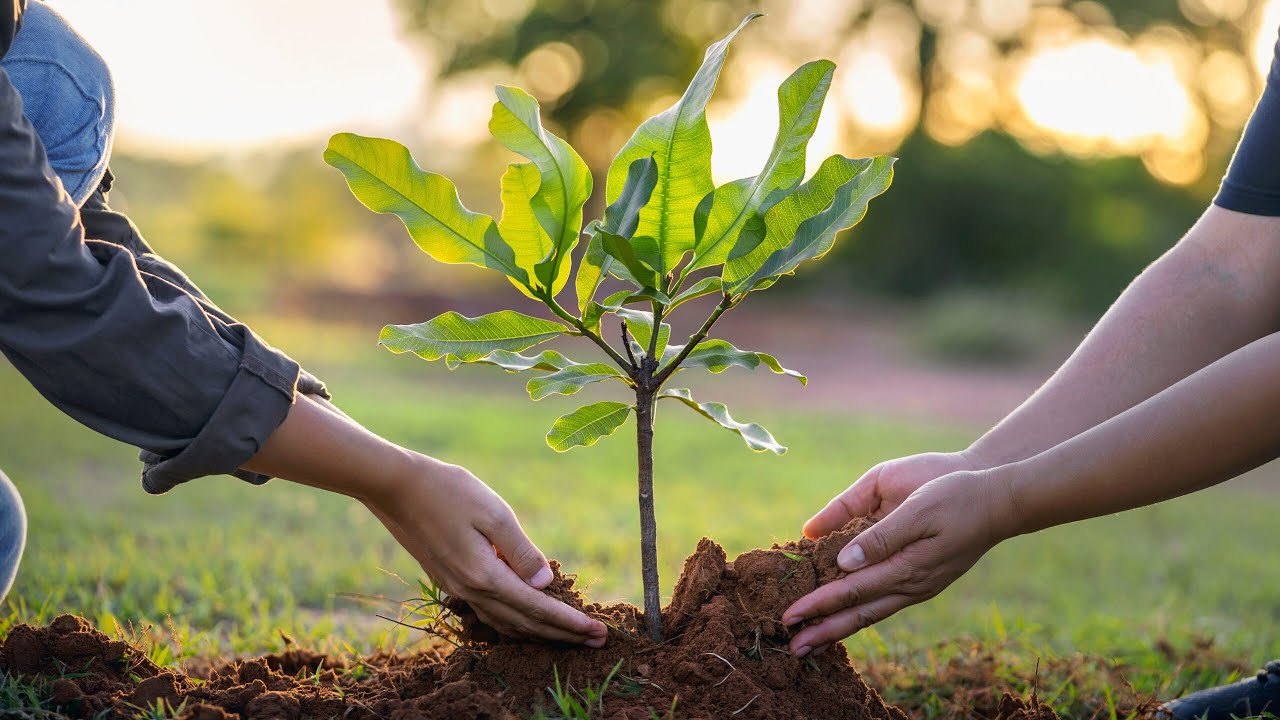
I think of pomology as the study and care of fruit trees and plants that produce fruit. This includes things like apples, peaches and pears. We also have cherries and citrus fruits and berries that’re part of pomology.
To get fruit from these trees and plants you have to do a few things. You have to prune them which means cutting them back so they grow well. You also have to water them and give them fertilizer. Pomology is about taking care of fruit trees and plants and that includes keeping pests away and doing things at the right time of year.
Olericulture
Growing vegetables is what floriculture is about whether it is for your own home garden or for selling. People like to grow things, like tomatoes and peppers and lettuce. They also like to grow cucumbers and carrots and onions. Broccoli and beans are popular too.
To get good vegetables the soil has to be good and healthy. You also need to move the plants around every now and then which is called crop rotation. And you have to water them all the time so they get the right amount of water. This is how you get high quality vegetables from floriculture.
Floriculture
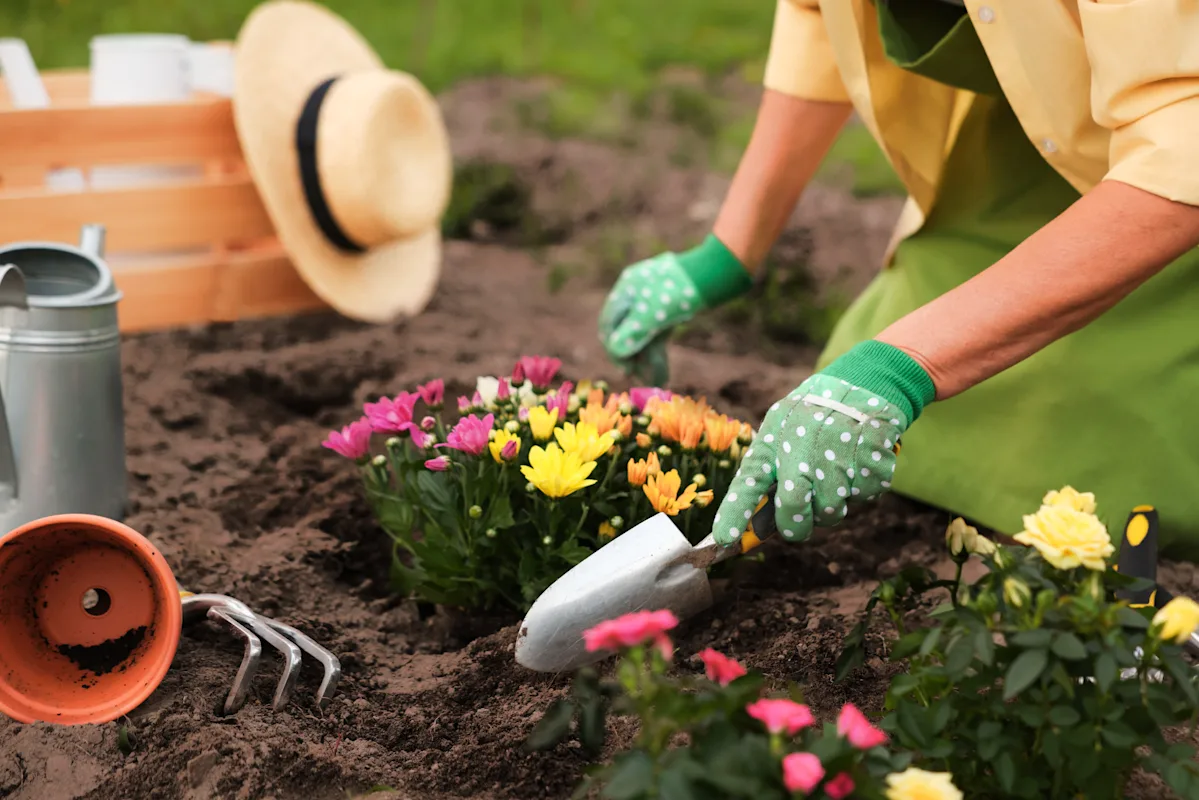
Floriculture is about growing flowers that people use in their gardens in spaces and, for making flower displays. Some of the common flowers are roses, tulips, lilies, marigolds, sunflowers, petunias and cosmos.
This part of horticulture focuses on the quality of the flowers, how blooms they produce the colors they have, the smells they give off and how they look overall.
Landscape Horticulture

Landscape horticulture brings together the choice of plants, with the planning of areas. It involves lawns, shrubs, pretty trees, ground covers and arranged garden beds.
Attractive outdoor designs make a house look better, add to its value and help create places to spend time outside.
Benefits of Horticulture
Practicing horticulture offers many long-term advantages.
Growing plants improves air quality by producing oxygen and supporting wildlife. Gardens also attract beneficial insects such as bees and butterflies that help pollinate flowers and vegetables.
Home gardening encourages healthy eating because fresh fruits and vegetables are readily available. It also creates relaxing outdoor environments that support mental well-being.
In addition, horticulture contributes to environmental sustainability by reducing soil erosion, improving biodiversity, and conserving natural resources through responsible gardening practices.
Essential Gardening Tools
Every gardener needs some tools to have a good garden.
The basic tools you need are a hand trowel, pruning shears, garden fork, watering can, hose, rake, gloves, wheelbarrow and shovel.
Having tools makes gardening easier, for the gardener. You do not have to work as hard.
You should clean your gardening tools. Put them away properly so your gardening tools will last longer and you can garden better.
Basic Horticulture Practices

Successful gardening is about using methods that have been shown to work.
Start by picking plants that’re right for the weather where you live and the USDA hardiness zone you are in. Strong plants come up faster. Need less care.
Get the soil ready, by mixing in compost or other natural materials to make it richer and easier for water to move through. Good soil helps roots grow better and makes plants grow healthier.
Water your plants a lot at one time or a little each day. Deep watering makes roots go deeper into the ground, which helps plants deal with times better.
Apply mulch around plants to save water, stop weeds from growing and keep the soil at the temperature. Natural mulch also makes the soil better as it gets broken down.
Cut off sick branches often to let air move better and help plants grow strong. Good cutting also makes many plants that bloom or bear fruit give flowers or fruits.
Advanced Horticulture Techniques
Once you learn the basics, advanced horticulture techniques can help make plants healthier and get harvests. These methods focus on making gardens more productive and using resources in a way.
Companion planting is a technique that puts plants that go well together. For example basil grows well with tomatoes because it can help keep some pests while making the garden more varied.
Succession planting is another practice. Of planting all plants at the same time gardeners plant crops at different times during the season. This method gives a harvest and uses the garden space better.
Soil Management
Healthy soil is the base of horticulture. Before planting, check your soil to find out its pH and the levels of nutrients. Vegetables, flowers and herbs do best in soil that is rich, drains well and has a lot of organic material.
Putting compost in each season helps the soil structure, helps it keep water and adds nutrients naturally. Stay away from making the soil hard by walking on the garden paths when you can.
Fertilization
Plants need food to grow roots, healthy leaves and lots of flowers or fruit. Fertilizers give food like nitrogen, phosphorus and potassium.
Natural fertilizers, such as compost, old manure, fish water and bone dust make the soil better while feeding plants slowly. Slow release fertilizers are also a choice because they feed plants for a longer time.
Always use the amount. Putting much can hurt the roots and make flowers or fruit less.
Disease Management
Every garden has pests and diseases sometimes. Good horticulture is about stopping problems before they start to use chemicals.
Check plants often for signs of bugs, yellow leaves or strange spots. Take away any damaged leaves soon as possible to stop problems from spreading.
Get help from bugs like ladybugs and small wings because they eat bad bugs. Good space between plants helps air move. Stop the fungus.
Watering Best Practices
Watering right is one of the ways to make plants healthier.
Water in the morning so plants have water before the day gets hot. Morning watering also helps leaves dry quickly which lowers chances of fungi.
Do not water often with amounts. Water deeply to make roots stronger and help plants handle weather.
Container Horticulture

Not everyone has a yard.. Horticulture works well in boxes.
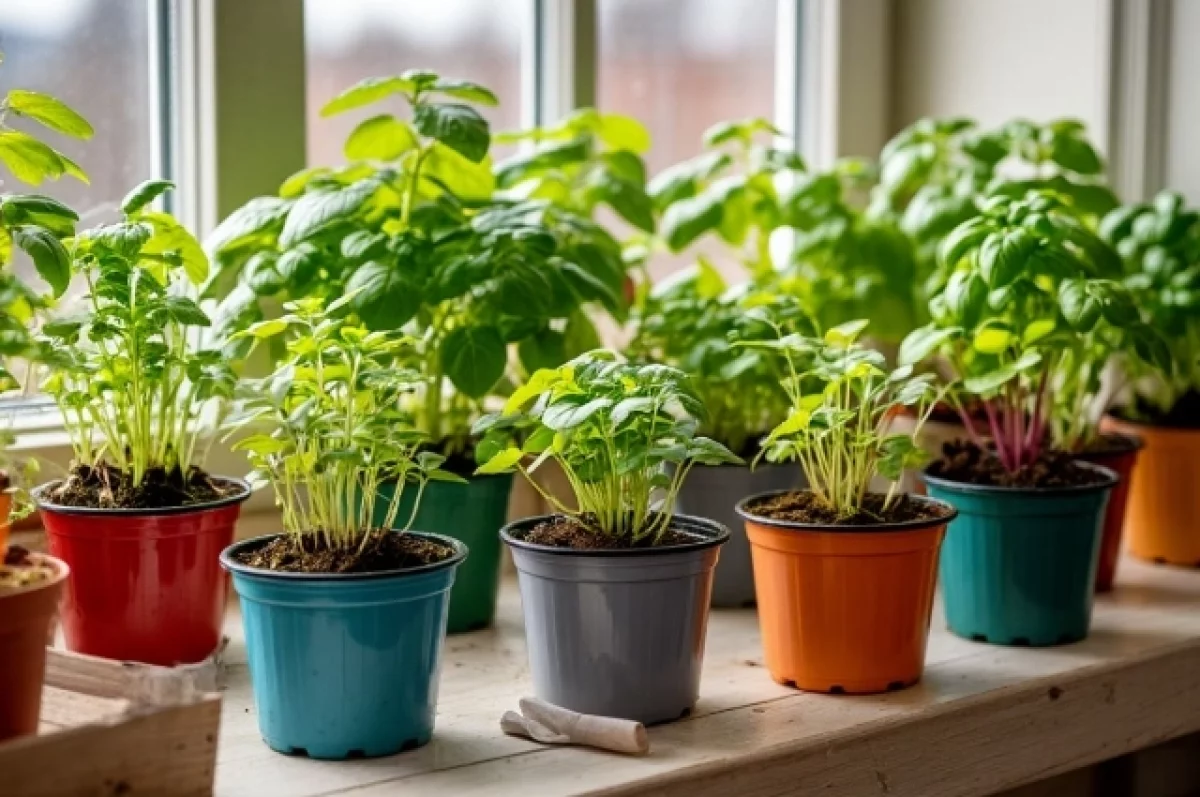
Pick containers with holes for water to drain and use soil mix instead of yard dirt. Choose containers that fit the size the plant will grow to so they do not get close.
Gardens in boxes need water because the soil dries faster than in regular gardens.
Greenhouse Gardening
Greenhouses give a place where plants grow all year. They protect plants from weather and let gardeners grow more.
Many people use greenhouses to grow seeds, grow herbs in winter or grow plants that need warmth.
Keep the air moving and the moisture right to stop greenhouse problems.
Common Horticulture Mistakes

Many new gardeners make errors that stop plants from growing.
Overwatering
Much water can make roots rot and cause fungi. Check the soil before you water of doing it on a schedule.
Picking the Wrong Plants
Always pick plants that fit your weather, sun and the area where you live.
Not Taking Care of the Soil
soil stops plants from growing no matter how much you water or feed them. Healthy soil should be the thing you think about.
Planting Too
Plants that are too close fight for light, food and water. Good spacing also helps air move. Stops diseases.
Frequently Asked Questions
What is horticulture?
Horticulture is the science and doing of growing fruits, vegetables, flowers, herbs and special plants using growing methods.
What are the main parts of horticulture?
The main parts are fruit growing, vegetable growing, flower growing and yard growing.
Why is horticulture important?
Horticulture helps grow food, makes places look better, helps the earth and makes people live better by gardening.
Can new people learn horticulture?
Yes. Anyone can learn horticulture by understanding how to get the soil ready, how to water, how to pick plants, how to feed them and how to take care of the garden all year.
What tools are needed for horticulture?
Basic tools are scissors for cutting, a shovel, a rake, a big shovel, gloves, a water pot, a tool for digging and a cart.
Conclusion
Learning horticulture is one of the ways to make a healthy, useful and nice garden. From getting good soil ready to choosing the plants and taking care of watering every gardening way helps plants grow better and give more.
Whether you like growing flowers, fresh veggies, fruit trees or nice yards using horticulture ideas will help you do better every year. Start with the basics, keep learning and enjoy the lasting good things from a garden that is doing well.