Introduction

I remember when I first started gardening in the USA. It was not easy. At first everything seemed simple. As I started planting problems came up quickly. My plants were too close together, they did not get sunlight and I did not use my space well. As a result my plants did not grow well. I did not get a good harvest. Many beginner gardeners in the USA feel frustrated. Stop gardening too early.
I made the mistakes when I first started gardening. I did not plan my vegetable garden layout. I lost almost half of my plants. Then I learned about spacing, sunlight direction and plant grouping. My results improved a lot. That is why I wrote this guide. I want to help beginner gardeners avoid the mistakes I made.
Who This Guide Is For
This guide is for people who are just starting to garden. This is for people who have a backyard that’s just the right size you know, not too big and not too small. The gardening thing is also great, for people who live in apartments because they can still do some gardening on their balcony or they can use some pots to grow their plants. It is for families who want to grow their organic food right at home. It is for gardeners in the USA who follow planting zones. These people need a practical way to plan their gardens.
What Is a Vegetable Garden Layout?
A vegetable garden layout is a plan that shows where to plant each vegetable. It is like a map for your garden.
A good layout helps you use space well.
It keeps plants healthy, reduces waste and gives you a harvest.
The United States Department of Agriculture says planning your garden is important.
They say giving plants sunlight can help them grow better and give more.
Why Vegetable Garden Layout Is
A good vegetable garden layout can really improve your gardening. It helps you grow vegetables in a smaller space. It gives your plants the sunlight they need. It reduces pests and diseases. It saves you water and time. It gives you a consistent harvest. Without a plan your garden can become too crowded and not produce much.
Types of Vegetable Garden Layouts

Raised Bed Layout
Raised beds are great for beginner gardeners. They give you control over the soil. They drain well. They are very productive. They look nice and neat.
In-Ground Layout
In-ground gardens are a way to garden. They use the soil. They do not cost much to set up. They are good for yards.
Container Layout
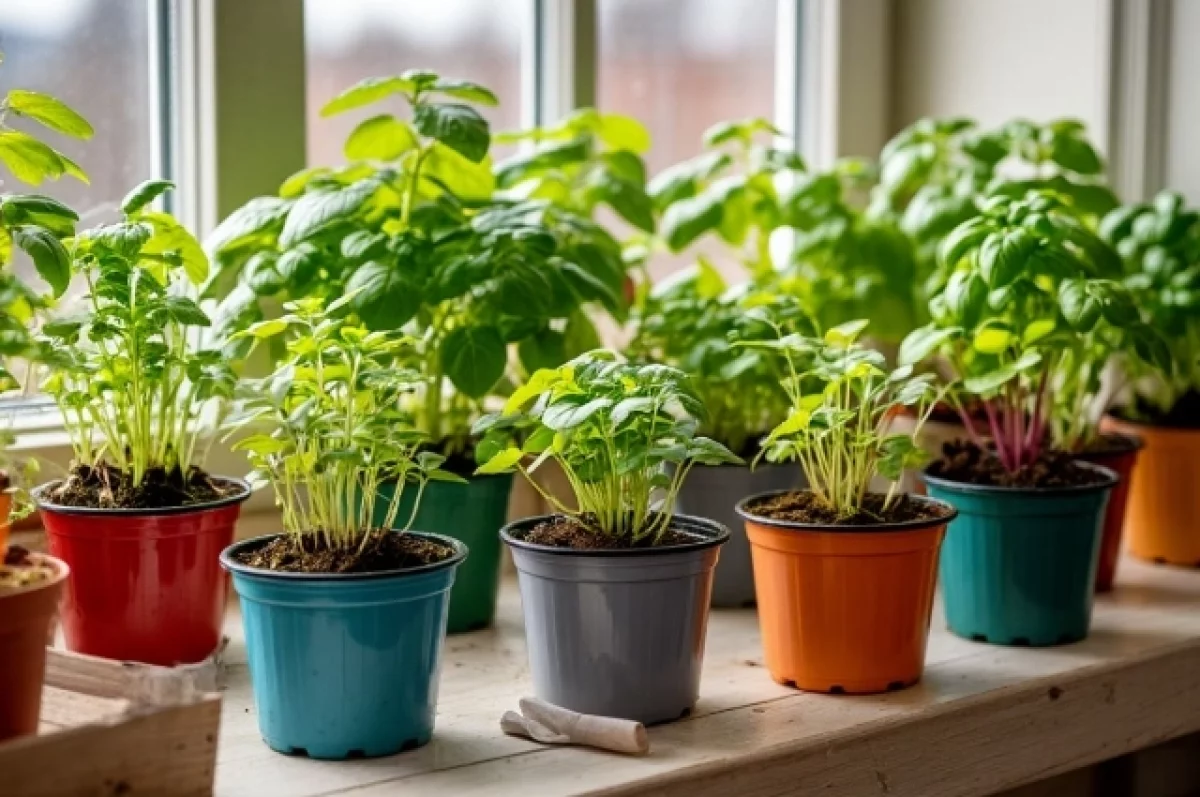
Container gardens are great for spaces and apartments. They are good for balconies. You can move them around easily. They are easy to take care of.
Vertical Layout
Vertical gardens are a way to garden. They save space. They use walls or frames. They are great for herbs and greens. They are perfect for gardening.
Making A Vegetable Garden Is Fun
First you have to figure out how big your garden is. You need to know this before you can start putting plants in the ground.
Next you have to check how sunlight your garden gets. Most vegetables like tomatoes and beans need sunlight for about 6 to 8 hours every single day.
Then you have to decide what kind of garden you want. Do you want a garden that’s up high called a raised bed or one that is in a big container or maybe one that is just in the ground?
After that you should make parts in your garden. This means you divide your garden into zones for plants that’re medium sized and for plants that are small.
Now you have to put the plants in the spots. Vegetables like tomatoes and beans and corn should go in the back of the garden. Carrots and peppers should be in the middle. Lettuce and herbs should be in the front of the garden.
Finally you have to think about water. You need to make sure that all of your plants can get water easily. This is the step in making a vegetable garden.
Vegetable Garden Layout Examples

Here are some examples of garden layouts:
* A 5×5 foot garden with lettuce, spinach, radish and herbs for a harvest
* A 10×10 foot garden with tomatoes, carrots, beans and peppers for a family food supply
* A 4×8 raised bed with tomatoes, basil, lettuce and peppers for production
* A balcony garden with mint, chili, herbs and lettuce for small-space gardening
Companion Planting System
Some plants grow together. For example tomatoes and basil are a combination. Carrots and onions also grow together. Corn, beans and squash are another combination.. Some plants do not grow well together. For example tomatoes and potatoes should not be planted together. Onions and beans also do not grow well together.
High-Yield Garden Layout Tips
You should use a foot gardening system. You should mix slow-growing crops. You should rotate your crops every season. You should not leave spaces in your garden.
Plant Spacing Guide

Here is a guide to help you space your plants correctly:
* Tomatoes should be 18 to 24 inches apart
* Carrots should be 2 to 3 inches apart
* Lettuce should be 6 to 12 inches apart
* Peppers should be 12 to 18 inches apart
* Beans should be 4 to 6 inches apart
Common Mistakes
Many gardeners make mistakes when they are just starting out. They overcrowd their plants. They block sunlight. They do not think about how tall their plants will be. They do not space their plants correctly. They do not rotate their crops.
Expert Insight
“A good vegetable garden layout is more important than putting in effort. Planning always gives you results rather than guessing.”
Personal Experience
“When I first started gardening I did not plan my garden layout. I lost a lot of my harvest.. Then I started using a structured vegetable garden layout and my results improved a lot.”
Frequently Asked Questions

1. What is the best vegetable garden layout for beginners?
The best layout for beginners is a raised bed layout. It is easy to use and organized.
2. How do I design a vegetable garden layout?
You can use containers or a square foot gardening system for spaces.
3. What vegetables grow well together?
Tomatoes, basil, carrots, onions and beans grow together.
4. How much sunlight is needed?
Most vegetables need 6 to 8 hours of sunlight.
Conclusion
A garden layout is the key to successful gardening. When you plan your garden correctly your plants will grow stronger and healthier. They will produce food with less effort. Even a small space can be very productive if you plan it correctly. From my experience the biggest improvement in gardening comes from planning not from tools or fertilizers. Once you have a vegetable garden layout your results will be more stable and predictable.