Introduction

A Pollinator Garden is a way to get more life in your yard. It has lots of plants that give food and a place to stay for bees, butterflies, hummingbirds and other helpful visitors like them. The Pollinator Garden is full of these plants that help the bees, butterflies, hummingbirds and other helpful visitors. These animals, like the bees, butterflies, hummingbirds and other helpful visitors move pollen from one flower to another flower. This helps a lot of plants make seeds and fruit which’s really good, for the Pollinator Garden and the bees, butterflies, hummingbirds and other helpful visitors that live there.
You do not need a yard to start a Pollinator Garden. A small garden bed is fine. You can even use a space on your porch. Make a container garden. The main thing is to pick plants that give food and a place to live to the pollinators.
A good Pollinator Garden can make your yard look really nice and colorful.People often choose plants that’re from around here because these plants can handle the local weather.
These local plants are also great for the pollinators, like bees and butterflies because the local plants give the bees and butterflies food.
This guide will show you how to pick the plants, find a good spot and make a Pollinator Garden that helps the pollinators. It is like a book that teaches you how to make a garden that’s good, for the earth and nice to look at.
Featured Snippet
When you make a Pollinator Garden you are making a garden that has lots of plants in it. These plants give food and a place to live for the bees, the butterflies, the hummingbirds and other Pollinator Garden animals like the Pollinator Garden bees and the Pollinator Garden butterflies. The plants in the Pollinator Garden are very important, for the bees and the other animals that live in the Pollinator Garden. You should choose plants that bloom at times, use plants when possible and avoid using pesticides.
Table of Contents
- What Is a Pollinator Garden?
- Why Pollinator Gardens Matter
- Best Plants for a Pollinator Garden
- How to Choose Plants for Your Area
- Best Garden Location
- How to Create a Pollinator Garden
- Water and Soil Tips
- Common Mistakes
- Frequently Asked Questions
- Conclusion
What Is a Pollinator Garden?

When you make a Pollinator Garden you are making a garden that has lots of plants in it. These plants give food and a place to live for Pollinator Garden creatures like bees, butterflies, hummingbirds and other pollinators.
You should pick plants for your Pollinator Garden that bloom at times. Try to use plants whenever you can for your Pollinator Garden. It is a good idea to stay away from bad chemicals like pesticides, in your Pollinator Garden.
Pollinators are a part of many natural systems. They also play a role in the growth of many food crops. A pollinator garden can be simple. You can grow flowers in a small bed or use several containers near your home.
Why Pollinator Gardens Matter
Pollinators are really important for plants. They help these plants grow and make seeds. If we did not have Pollinators, many plants with flowers would have a hard time making more plants.
A Pollinator Garden is a thing for these animals. It gives them a place to go to find food. The flowers in a Pollinator Garden give Pollinators the food they need like nectar and pollen when the plants are growing.
These gardens can also add beauty to your space. A mix of flowers can bring colors, soft scents and more natural life to your yard. Native plants can be more useful. They are often well suited to your weather and soil. They may also support insects and birds.
Best Plants for a Pollinator Garden

The best plants for a Pollinator Garden depend on your climate and growing area. Native flowers are often a starting point. Bee-friendly flowers like coneflower, bee balm, aster and sunflower can be choices in many areas. Choose flowers with shapes and bloom times. This can give bees food through more of the growing season.
Butterflies need nectar plants for adult butterflies. They also need host plants where they can lay eggs. Milkweed is a host plant for monarch butterflies. Native asters and other flowering plants can also provide food for adult butterflies. Avoid choosing plants for their looks. Think about what food and shelter they can provide.
Hummingbirds are attracted to flowers that have a lot of nectar. Bee balm, flower, salvia and other flowers that have a tube shape can draw them in. Plant flowers in groups. This can help hummingbirds find the food source easily.
How to Choose Plants for Your Area
To choose plants for your area, start by learning your USDA zone. Your zone can help you choose plants that can handle your winter weather. Next check how much sun your garden gets. Some plants need sun while others can grow in part shade.
Native plants are also worth considering. They often need care once they are established. They can also offer food to pollinators. Try to choose plants with bloom times. Early mid-season and late flowers can provide food for a period.
Plan Your Garden Before Planting
Plan your garden before planting. Good planning can save time and money. First decide how space you want to use. Then make a list of plants that fit your area. Place plants at the back and shorter plants near the front.
Group plants with water and light needs. This makes care easier. Helps plants grow well. Leave some space between plants. They will need room to grow as they mature.
How to Create a Pollinator Garden

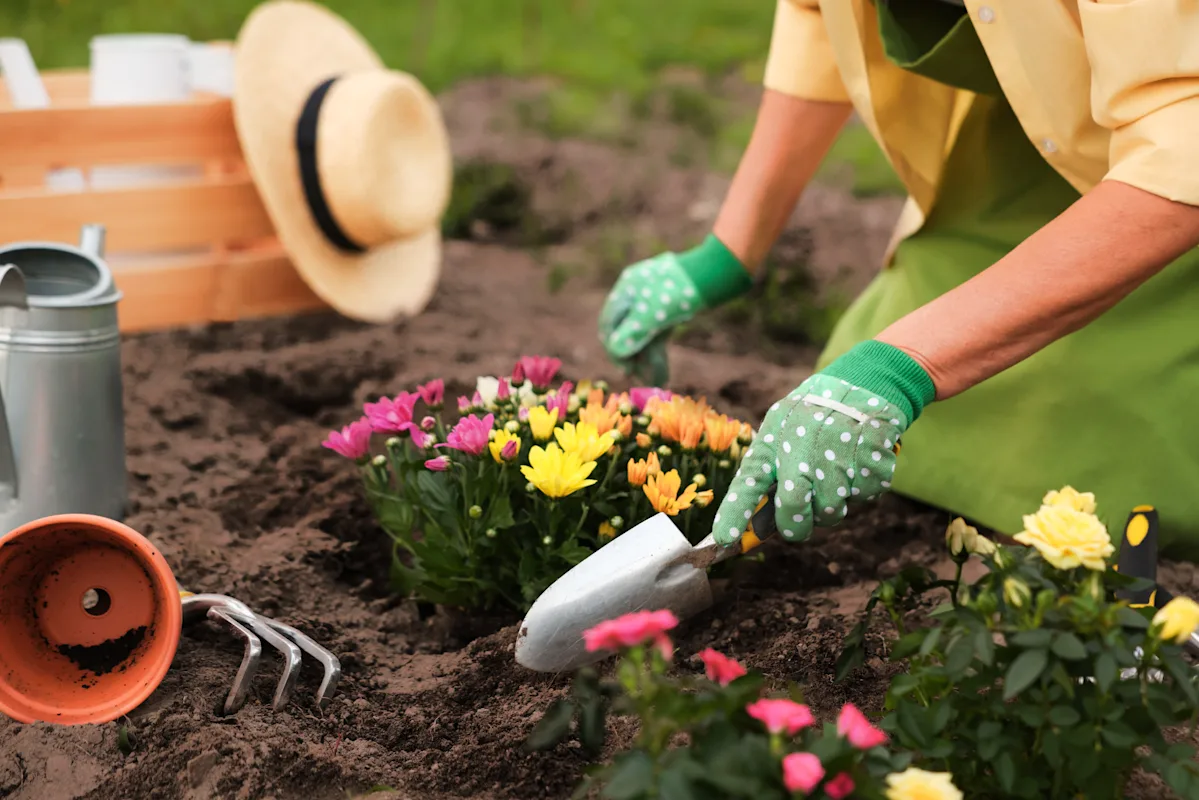
Creating a Pollinator Garden does not have to be hard. Start with an area that gets enough sunlight. Remove weeds. Prepare the soil before planting. Choose plants that grow well in your area. Add flowers with shapes, colors and bloom times. This gives pollinators food during the season.
Plant flowers in groups of placing one plant in each spot. Groups of flowers are easier for bees and butterflies to find. Keep some areas in the garden. Small logs, leaves and plant stems can provide shelter for insects.
Choose the Best Location
When you are thinking about where to put your garden you need to pick a location. Your flowering plants need a lot of sunlight to do well. So you should choose a spot that gets sunlight for six hours every day.
If you put your garden near a fence or a wall that can be really good, for your plants too. This is because the fence or wall can protect your plants from the wind. Avoid areas where water stays on the ground after rain.
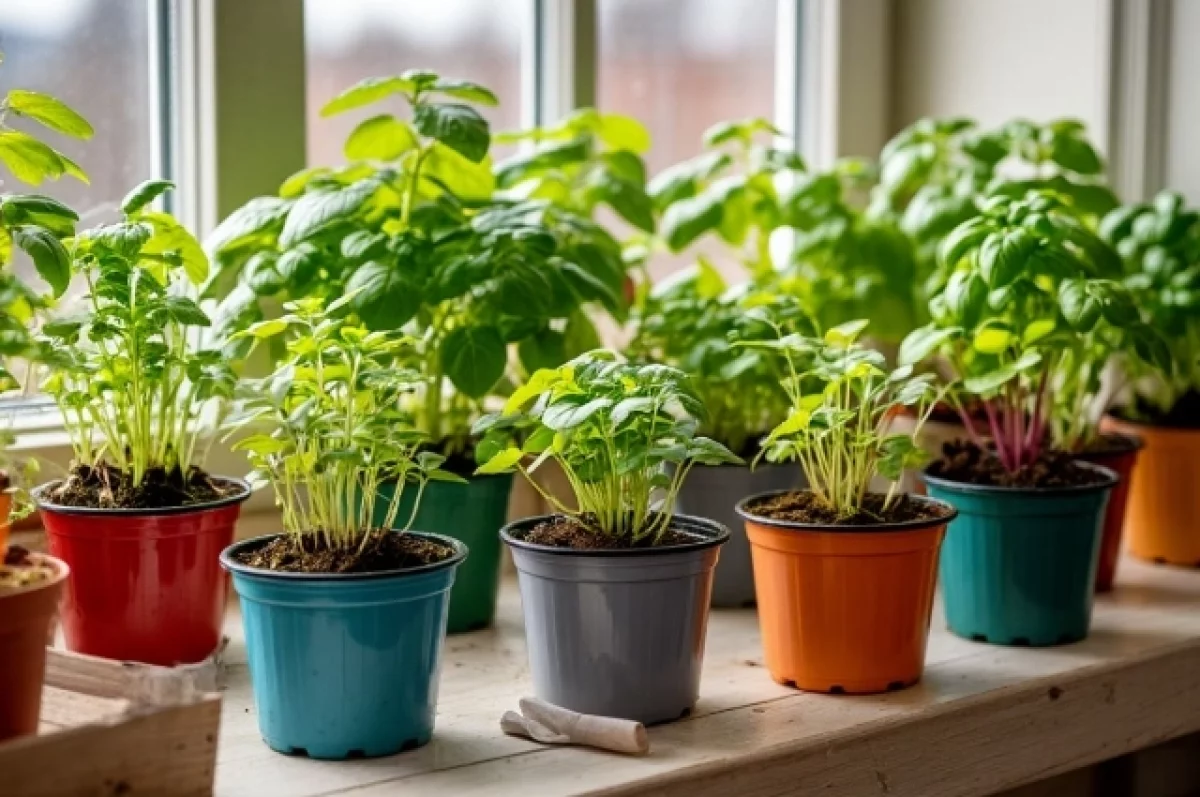
You can also grow a Pollinator Garden in containers. This is a choice for balconies, patios and small yards. Make sure the containers have drainage holes. Use potting soil and choose plants that fit the container size.
Soil and Watering Tips
Healthy soil helps flowers grow roots. Before planting, check your soil. Add compost if needed. Do not add much fertilizer. Many native plants grow well in soil and may not need heavy feeding.
Water new plants often while they build roots. Once established many native plants need water. Water at the base of the plants. Try not to keep leaves wet for periods as this can raise the risk of some plant diseases.
Plants for Bees, Butterflies, and Hummingbirds

A strong Pollinator Garden should provide food for types of pollinators. Bees often go to flowers like coneflowers, sunflowers, bee balm and asters. Butterflies might like milkweed, zinnias and native flowering plants. Hummingbirds usually go to flowers that have a lot of nectar. Bee balm, salvia and cardinal flower can be options in these places.
Try to grow plants that bloom at times. This gives pollinators food from spring through fall. Avoid using garden chemicals.
Avoid Harmful Garden Chemicals
Pesticides can harm insects when used in the wrong way. Bees and other pollinators may come into contact with treated plants.
Use prevention first. Keep plants, remove damaged leaves and choose plants that fit your local climate. If you need pest control choose the option for the problem. Follow the product label. Avoid spraying flowers when pollinators are active.
Seasonal Pollinator Garden Care

A healthy Pollinator Garden should give insects a safe place to feed. Garden care changes with the seasons. In spring remove unwanted weeds and check new plant growth. During summer keep plants watered and remove dead flowers when needed. Watch for pests and signs of plant stress.
In fall leave some seed heads and plant stems in place. They can provide food and shelter for birds and insects. During winter, I avoid cleaning the garden much. Some pollinators spend the months in plant stems, leaves or soil.
Common Mistakes to Avoid
When we pick plants for our garden we often choose the ones that look really nice. It is better to choose plants that are nice to look at and also give food to the bees and other pollinators like butterflies. We should select plants that’re good for the pollinators like plants that give them food because pollinators, like bees and butterflies, need food from plants to survive. Another mistake is planting one type of flower. A mix of plants gives pollinators food choices.
Do not remove every fallen leaf or dry stem. Some insects use these areas as shelter. Avoid using many chemicals. Pesticides can affect insects as well as pests. Finally, do not make the garden too large at first. Start small, learn what grows well and expand over time.
Here are some asked questions about Pollinator Gardens:
What is the best plant for a Pollinator Garden?
There is no best plant for every area. Native flowers that grow well in your climate are often a great choice.
How much sun does a Pollinator Garden need?
Most flowering plants grow best with six hours of sunlight each day. Check the needs of each plant before planting.
Can I make a Pollinator Garden in a yard?
Yes. You can use a raised bed or containers on a patio or balcony.
Should I use pesticides?
Use pesticides when needed. Choose the option and follow the label. Avoid treating flowers when bees and other pollinators are active.
What should I do with the garden in winter?
Leave some stems, seed heads and fallen leaves in place. They can give insects and birds food and shelter.
Conclusion
A Pollinator Garden can make your yard more colorful and full of life. It gives bees, butterflies, hummingbirds and other helpful animals a place to find food and shelter. Start with plants that fit your local climate. Add flowers that bloom at times. Give plants sun, water and space to grow.
You do not need a yard to make a difference. Even a small garden can support pollinators. Bring more nature to your home. With care and good plant choices your Pollinator Garden can become a beautiful and useful part of your outdoor space.