Introduction
Gardening is a fun and rewarding hobby. It helps you grow plants, fresh food, and beautiful flowers. Many people also want to learn the ways to care for their gardens. That is where a Master Gardener can help.
A Master Gardener is a trained volunteer. They learn gardening skills through a university extension program. They help people with gardening problems after training. They also share trusted advice with their communities.
Across the United States, thousands of people join Expert Gardener programs every year. They learn how to improve soil. They grow plants, they take care of trees, they look after flowers, they tend to vegetables. They manage lawns. They use knowledge they learn from research they gain from gardening experience.
This guide explains what a Expert Gardener is. It covers why the program matters and the skills every gardener should learn to succeed.
Featured Snippet
A Master Gardener is someone who has received training. They take classes in gardening through a program at a university that helps people in the community. Master Gardeners assist people with growing plants. Making their gardens better. Expert Gardener also help people figure out what is wrong with their plants. Expert Gardener share what they have learned about gardening with the people in their communities.
Table of Contents
What Is a Master Gardener?
History of the Master Gardener Program
Benefits of Becoming a Master Gardener
Skills Every Master Gardener Should Learn
How to Become a Master Gardener
Training and Certification
Volunteer Responsibilities
Frequently Asked Questions
Conclusion
What Is a Master Gardener?

A Master Gardener is a person who gets training in gardening and plant care. The training is available through university extension programs, in areas of the United States.
Once they complete the course the people who take the training give their time to help people. They answer gardening questions. They teach classes and share trusted information. This helps homeowners, schools, and community gardens.
A Expert Gardener learns more than basic plant care.
The training includes:
- Soil health
- Watering
- Composting
- Pest control
- Pruning
- Landscaping
- Vegetable gardening
This knowledge helps them grow plants and teach others the right gardening methods.
History of the Expert Gardener Program
The Expert Gardener program started in the United States in the 1970s. University extension offices received gardening questions from homeowners. They needed trained volunteers to help answer those questions.
The program became popular fast. It offered people easy access to research-based gardening tips. Volunteers learned from horticulture experts. Then shared that knowledge with their local communities.
Today the Expert Gardener program is available in states. Thousands of volunteers help schools, parks, public gardens and community projects every year. They also encourage sustainable gardening practices.
Benefits of Becoming a Master Gardener

Becoming a Master Gardener brings rewards and community rewards.
You learn about plants, flowers, vegetables, trees and lawns. This information helps you create gardens in your own home.
The program also helps you develop problem-solving abilities. You learn to notice pests, plant diseases, nutrient problems and watering issues. This way they don’t turn into problems.
A lot of people like the chance to give back. Teaching people working in community gardens and being part of projects can be enjoyable and satisfying.
Another benefit is learning. Gardening techniques continue to improve. Expert Gardener stay updated with new research and better growing methods.
Skills Every Master Gardener Should Learn
Every Master Gardener builds skills that work in nearly any garden type.
Plant identification is one of the important skills. Knowing flowers, vegetables, herbs, shrubs and trees helps gardeners provide the right care.
Soil management is another skill. Healthy soil provides plants with nutrients. This helps them grow strong roots and produce better flowers, fruits, and vegetables.
Water management is also important. A Garden Expert learns when and how much to water plants to reduce waste and improve plant health.
Pest management is another skill. Garden Expert often begin with safe, natural ways to keep garden pests at bay.
Good communication is really important. Master Gardeners are always answering questions and teaching gardening classes. They share advice with people who are just starting out and with people who have been gardening for a long time. Garden Expert want to help everyone, no matter how much they know about gardening. Master Gardeners are there to help people learn and have fun with gardening.
How to Become a Master Gardener
Becoming a Master Gardener begins by signing up for a university extension program. Many programs accept adults who love gardening and wish to gain knowledge. You do not have to be a gardening expert before you apply.
After you are accepted you attend training classes. These classes teach gardening through research and real-life examples. You also learn from instructors and horticulture experts.
When the training is complete you begin volunteer work. This is a part of becoming a Master of Gardening. It allows you to use your skills while helping your community.
Master Gardener Training and Certification
Training covers gardening topics. Each lesson helps you become a gardener and a better teacher.
You learn about soil and compost and taking care of plants. You also learn how to water plants and prune them and manage pests and plant diseases. You also study trees and flowers and vegetables and herbs and lawns.
Many programs include hands-on activities like helping in demonstration gardens or joining workshops or caring for plants, with students.This practical experience builds confidence.
Finish your training. Finish your volunteer hours. After that you will get your Master Gardener certification. Some programs also ask for learning to make sure your knowledge stays current.
Volunteer Responsibilities
A Master Gardener is someone who helps people learn about gardening. They do this by volunteering their time. Volunteering is a part of what Master Gardeners do.
Many Master of Gardening answer questions about gardening at extension offices. Some Master Gardeners teach classes about gardening. Master of Gardening also help with school gardens and work in community gardens. Master of Gardening really like to share what they know about gardening with people.
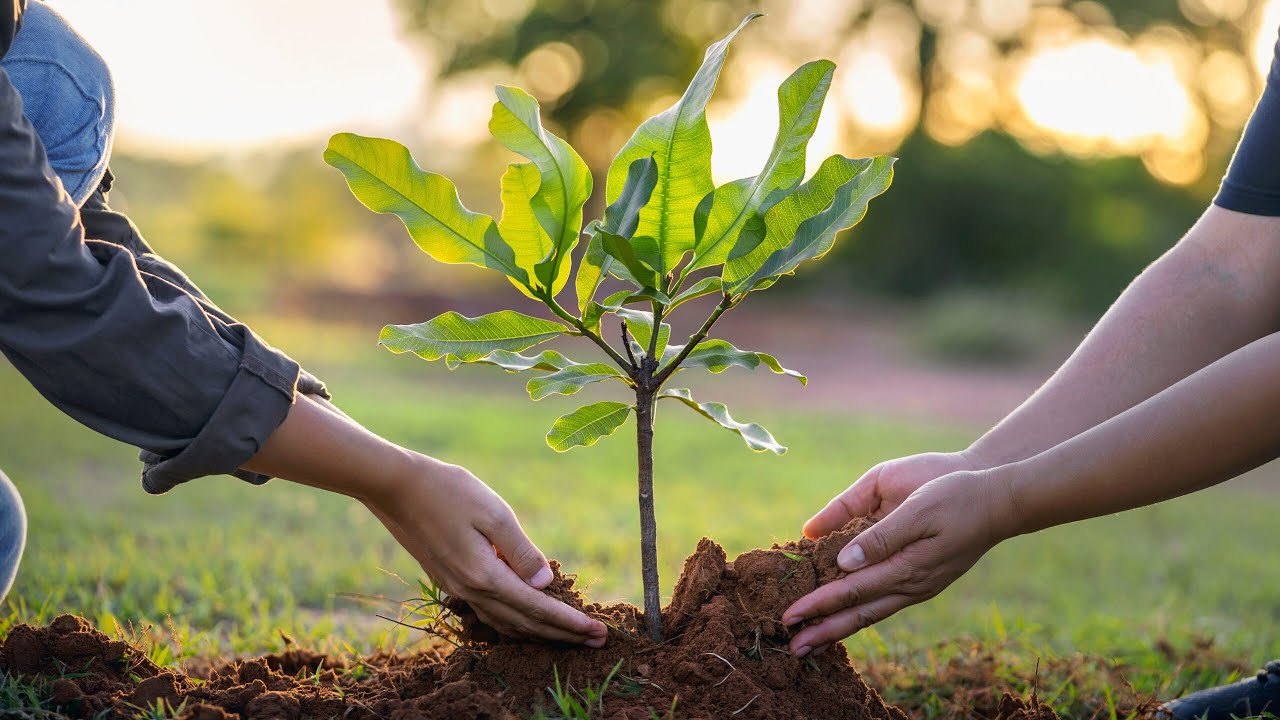
Some Master of Gardening join tree planting projects. People who garden also participate in workshops and garden events. They encourage gardening methods and help protect the environment.
Volunteering for gardening projects also helps you improve your gardening skills. Every gardening project gives you knowledge and practical experience with gardening.
Common Gardening Topics Master Gardeners Help With

A Master Gardener is someone who assists people with the issues that come up when they are gardening.
A lot of people who own homes will ask a Master Gardener for advice on how to make their soil better.
The Master Gardener will explain to them that having soil is very important because it helps plants grow stronger and it helps them produce flowers and delicious fruits and tasty vegetables.
Watering is something people think about when they have a garden. A Master of Gardening is someone who can tell you when you should water your plants, how water they need and what you can do to make sure you do not give them too much water.
Plant diseases and insects are things that can hurt your garden. Volunteers are there to help people who have gardens figure out what is going wrong and what they can do to fix the problems with their plants.
Many people ask about:
- Composting
- Raised garden beds
- Vegetable gardening
- Flower care
- Native plants
- Mulching
- Lawn maintenance
Tips for New Gardeners
You do not have to become a Master of Gardening to grow a garden. Small improvements can make a difference.
Start with soil. Add compost before planting to improve soil quality.
Choose plants that grow well in your climate. Healthy plants are easier to care for and often produce results.
Water plants deeply. Avoid watering too often. This helps roots grow stronger.
Check your garden every day. Early signs of insects or disease are easier to treat.
Keep learning as you garden. Every season teaches something.
Frequently Asked Questions

What is a Master Gardener?
A Master Gardener is a trained volunteer. They study gardening in a university extension program. Then, they share what they learn with the community.
Do I need gardening experience?
No. Most programs welcome beginners who enjoy gardening and want to learn more.
Are Master Gardeners paid?
No. Most Master Gardener programs are volunteer programs. Participants donate their time to help others.
What do Master Gardeners learn?
They focus on soil health, plant care, watering, composting, pest control, pruning, landscaping, and vegetable gardening.
Is the Master Gardener program available across the United States?
Yes. Many universities and cooperative extension offices offer Master Gardener programs. The training can vary by state.
Conclusion
Becoming a Master Gardener is really great for your gardening skills. It helps your community too. The Master Gardener program teaches you how to grow plants that’re very healthy. It also shows you how to fix problems that gardeners have all the time.
If you like flowers or vegetables or trees or landscaping the things you learn from the Master Gardener program can help you make a garden that’s really nice. The Master Gardener program helps you learn and practice and volunteer. With all that you can become a very confident Master Gardener. You can also inspire others to grow successfully.
You should really take a look at GardenVibe.us. They have all sorts of stuff on gardening. You can find guides on how to garden and tips on taking care of plants. The experts also give you advice. All of this will help you when you are trying to grow a garden and make it look beautiful. GardenVibe is a place to go for gardening guides and plant care tips and expert advice on gardening.